


Высококачественное органическое удобрение, полученное из встречающихся в природе гуминовых веществ в леонардите и выветрившемся угле, богатое гуминовыми и фульвокислотами для повышения плодородия почвы, стимулирования роста растений и повышения урожайности.
Отправить запрос Скачать ТДС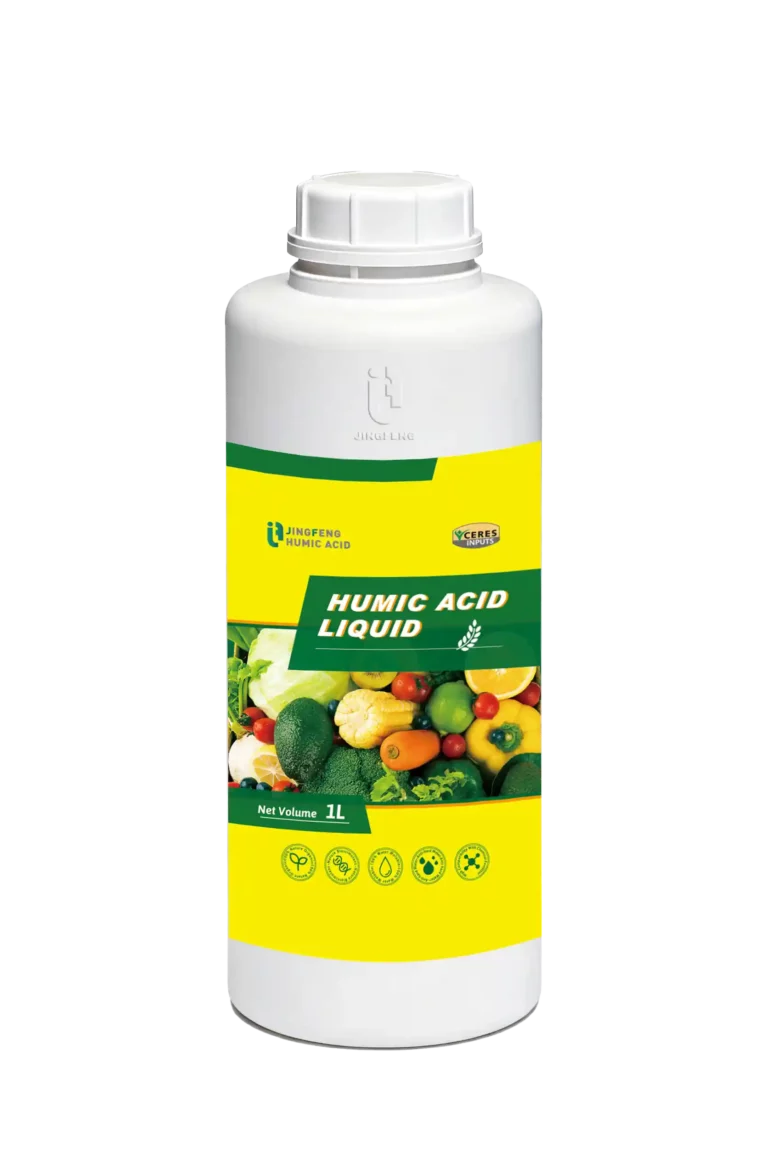
Обзор продукта
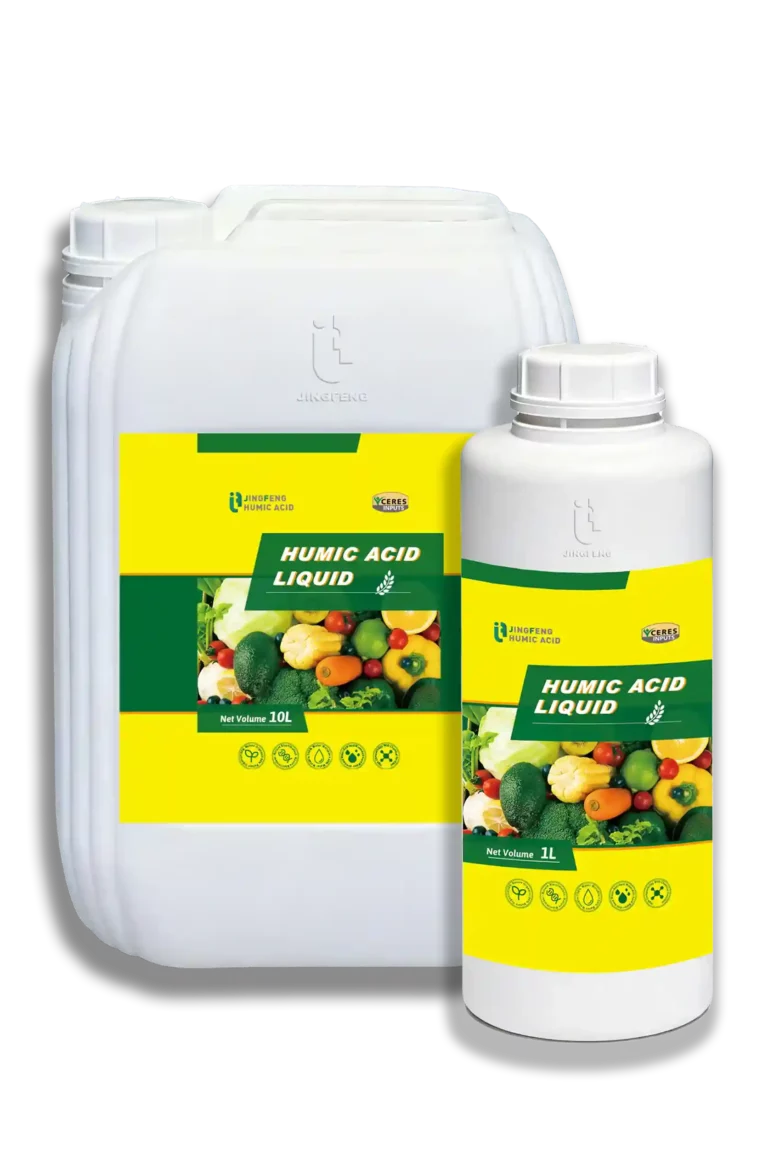
Жидкая гуминовая кислота — это высококачественное органическое удобрение, полученное из природных гуминовых веществ в леонардите, буром угле или других органических отложениях. Богатый гуминовыми и фульвовыми кислотами, он играет жизненно важную роль в повышении плодородия почвы, стимулировании роста растений и повышении урожайности сельскохозяйственных культур.
Улучшая структуру почвы и увеличивая доступность питательных веществ, жидкость с гуминовыми кислотами помогает растениям более эффективно усваивать необходимые элементы. Его хелатирующие свойства также помогают снизить токсичность почвы за счет связывания тяжелых металлов и других вредных веществ. Это делает его идеальным решением для устойчивого сельского хозяйства, органического земледелия и восстановления почвы.
- Улучшает здоровье почвы:Стимулирует микробную активность и улучшает структуру почвы для лучшей аэрации и удержания воды.
- Способствует росту растений:Стимулирует развитие корней, увеличивает поглощение питательных веществ и повышает устойчивость растений.
- Увеличивает урожайность:Улучшает общее качество и урожайность урожая.
- Экологичное решение:Получено из природных источников, безопасно для окружающей среды и длительного плодородия почвы.
Технические детали
| Элемент | Спецификация |
|---|---|
| Появление | Черная жидкость |
| Всего гуминовых кислот | ≥13% (по массе) |
| К₂О | ≥1% (по массе) |
| Фульвовая кислота | ≥3% (по массе) |
| рН | 9 – 11 |
| Плотность | 1,11 – 1,12 г/см³ |
| Сухое вещество | 20 – 22 % |
* Методы испытаний: HGT5334-2018/ISO 19822/HPTA/AAPFCO/IHSS. CDFA/колориметрический метод также применяется.
Рекомендуемые приложения
Область применения
Сельскохозяйственные культуры
Полевые культуры, такие как пшеница, кукуруза, рис, хлопок, семена масличных культур, соевые бобы, сахарная свекла, ячмень и так далее.
Овощи
Овощи открытого грунта и теплицы, включая помидоры, огурцы, перец, салат и брокколи.
Фруктовые деревья
Семечковые (яблоко, груша), косточковые (персик, вишня), цитрусовые, виноград, ягоды, тропические и субтропические фрукты.
Другие сценарии: гидропоника, выращивание субстрата, озеленение газонов и ландшафтов, обработка семян, питомниководство и цветоводство.
Рекомендуемая дозировка и способы применения
| Метод применения | Спецификация дозировки | Тайминг и примечания |
|---|---|---|
| Внесение в почву | 5 – 20 л/га | Применяйте на стадии рассады, цветения или раскрытия плодов. Можно разделить на 2-3 приложения. |
| Листовой спрей | 75 – 150 мл/100 л воды | Опрыскивать каждые 2 недели. Избегайте яркого солнечного света или высокой температуры (лучше всего на рассвете или в сумерках). |
| Применение субстрата | 0,5 – 1,5 л/м³ субстрата | Перед посевом или пересадкой тщательно перемешайте с субстратом. |
| Обработка семян | Концентрация 0,5% (500 мл/100 кг семян) | Разбавить, протравить семена, подсушить в тени перед посевом. |
| Гидропонное применение | концентрация 0,5% | Добавьте в питательный раствор и хорошо перемешайте. Контролируйте pH. |
Шаги смешивания

Упаковка и хранение
Мы предлагаем ряд стандартных упаковочных решений: контейнеры 1л, 5л, 10л, 20л, цистерны IBC. Также доступны услуги индивидуальной упаковки. Наша команда предоставит индивидуальные рекомендации, основанные на ваших конкретных требованиях, для обеспечения надлежащего хранения и транспортировки.
бутылка 1л
Розничная торговля и пробное использование.
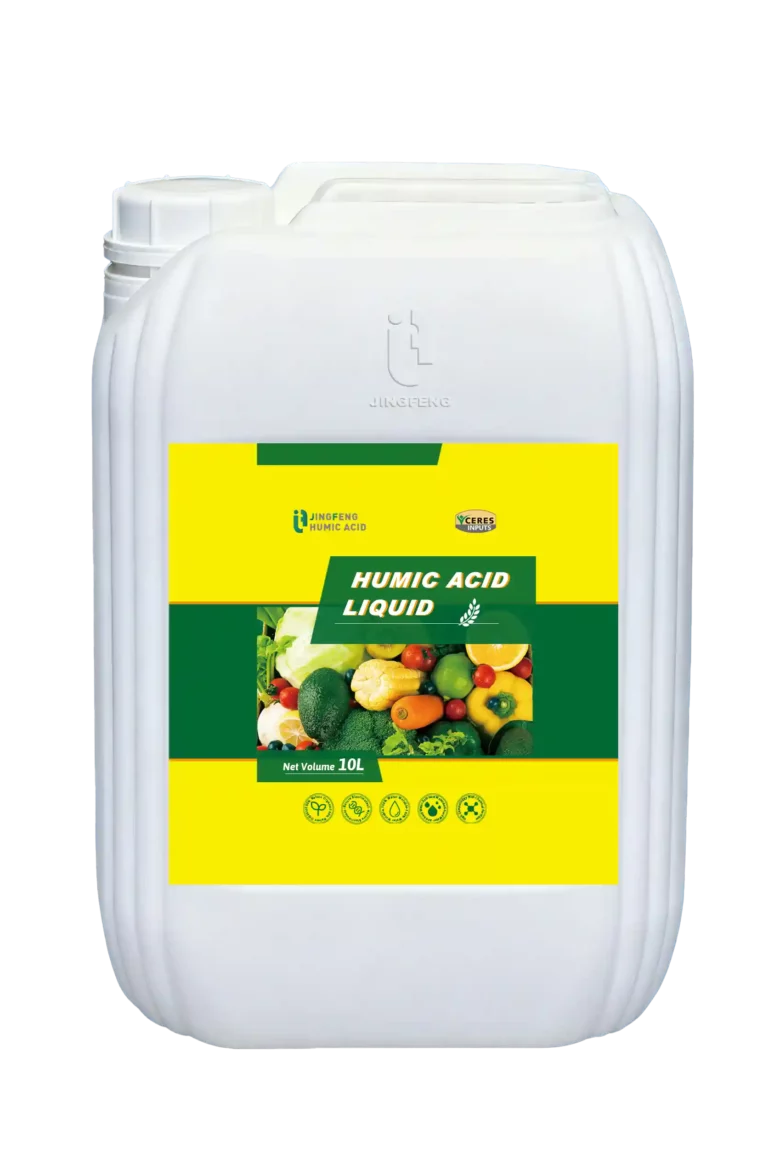
Ведро 10л/20л
Ферма и дистрибьютор.
IBC-цистерна 1000 л.
Массовый/промышленный.
Сертификаты и соответствие
- CERES — подтверждение материалов, используемых в органическом сельском хозяйстве
- REACH — Инновации в области «зеленой» химии, разрешенные в ЕС
- ИСО 9001/ИСО 14001/ИСО 22000
- Отчет об испытаниях тяжелых металлов от сертифицированной лаборатории ISO
Получите последние документы здесь
Паспорт безопасности / Технический паспорт
Успешные кейсы
Хлопковые поля, Синьцзян
После применения жидкой гуминовой кислоты агрегатная структура почвы улучшилась на 40%, пористость увеличилась на 25%, а способность удерживать воду и удобрения значительно улучшилась.
Восстановление горнодобывающего района, Хэбэй
Технология комплексообразования гуминовых кислот снизила содержание растворимого кадмия в почве на 72% и снизила стоимость восстановления на 40%.
Загрязненная хромом почва, Цзинань
Степень детоксикации средства восстановления гуминовой кислоты ≥99,92%; рекультивированные земли могут быть непосредственно использованы для выращивания сельскохозяйственных культур.
Жидкая гуминовая кислота: часто задаваемые вопросы
1. Что такое жидкая гуминовая кислота и как ее получают?
Жидкая гуминовая кислота представляет собой концентрированный водорастворимый препарат, полученный из природных органических источников, таких как леонардит, торф или выветрившийся уголь. Его производят путем продвинутой щелочной экстракции с последующей очисткой от примесей, в результате чего получается стабильный, высокоактивный продукт, богатый гуминовыми кислотами, фульвокислотами и микроэлементами.
2. Чем жидкая гуминовая кислота отличается от твердых порошков гуминовой кислоты?
По сравнению с твердыми порошками жидкая гуминовая кислота обеспечивает 100% растворимость в воде (без комков и осадка), более быстрое поглощение корнями и листвой и более легкое смешивание с удобрениями, пестицидами или ирригационными системами, что сокращает время внесения и обеспечивает равномерное распределение.
3. Какие культуры получают наибольшую пользу от применения жидкой гуминовой кислоты?
Он универсален и подходит для всех культур — полевых культур (пшеница, кукуруза, хлопок), товарных культур (фрукты, овощи, виноград), декоративных растений и даже гидропонных систем. Особенно эффективен на бедных почвах (солено-щелочные, уплотненные, малоорганические).
4. Каковы рекомендуемые методы и нормы внесения?
Общие методы включают внесение в почву, опрыскивание листьев, субстрат, обработку семян и гидропонику. Пожалуйста, обратитесь к разделу «Рекомендуемая дозировка и способы применения» на этой странице.
5. Можно ли смешивать жидкую гуминовую кислоту с другими удобрениями или пестицидами?
Да, он совместим с большинством водорастворимых удобрений и нещелочных пестицидов. Всегда сначала проводите небольшой тест на совместимость: смешайте небольшое количество, проверьте на наличие флокуляции или осадка и продолжайте, только если смесь однородна.
6. Сколько времени нужно, чтобы увидеть результаты после применения?
Краткосрочный (1–2 недели): улучшение всхожести, усиление роста корней, более темная зеленая листва. Долгосрочный (4–8 недель): лучшее агрегирование почвы, повышенное удержание воды, более высокая урожайность/качество.
7. Безопасна ли жидкая гуминовая кислота для окружающей среды, сельскохозяйственных культур и человека?
Да, при использовании по назначению. Он органичен, нетоксичен, не оставляет вредных остатков, безопасен для полезных почвенных организмов и соответствует CERES/OMRI/ECOCERT. Избегайте прямого зрительного контакта.
8. Какой срок годности и как его хранить?
Срок годности в закрытом виде составляет 24 месяца при хранении в прохладном, сухом и темном месте (5–35°C). Избегайте прямых солнечных лучей и экстремальных температур. После открытия плотно закройте и используйте в течение 6 месяцев.
9. Как жидкая гуминовая кислота улучшает здоровье почвы?
Он связывает частицы почвы в стабильные агрегаты, хелатирует железо/цинк/марганец, обеспечивая доступность растениям, стимулирует полезные микробы и снижает засоленность и токсичность тяжелых металлов за счет комплексообразования вредных ионов.
10. Можно ли использовать жидкую гуминовую кислоту в органическом земледелии?
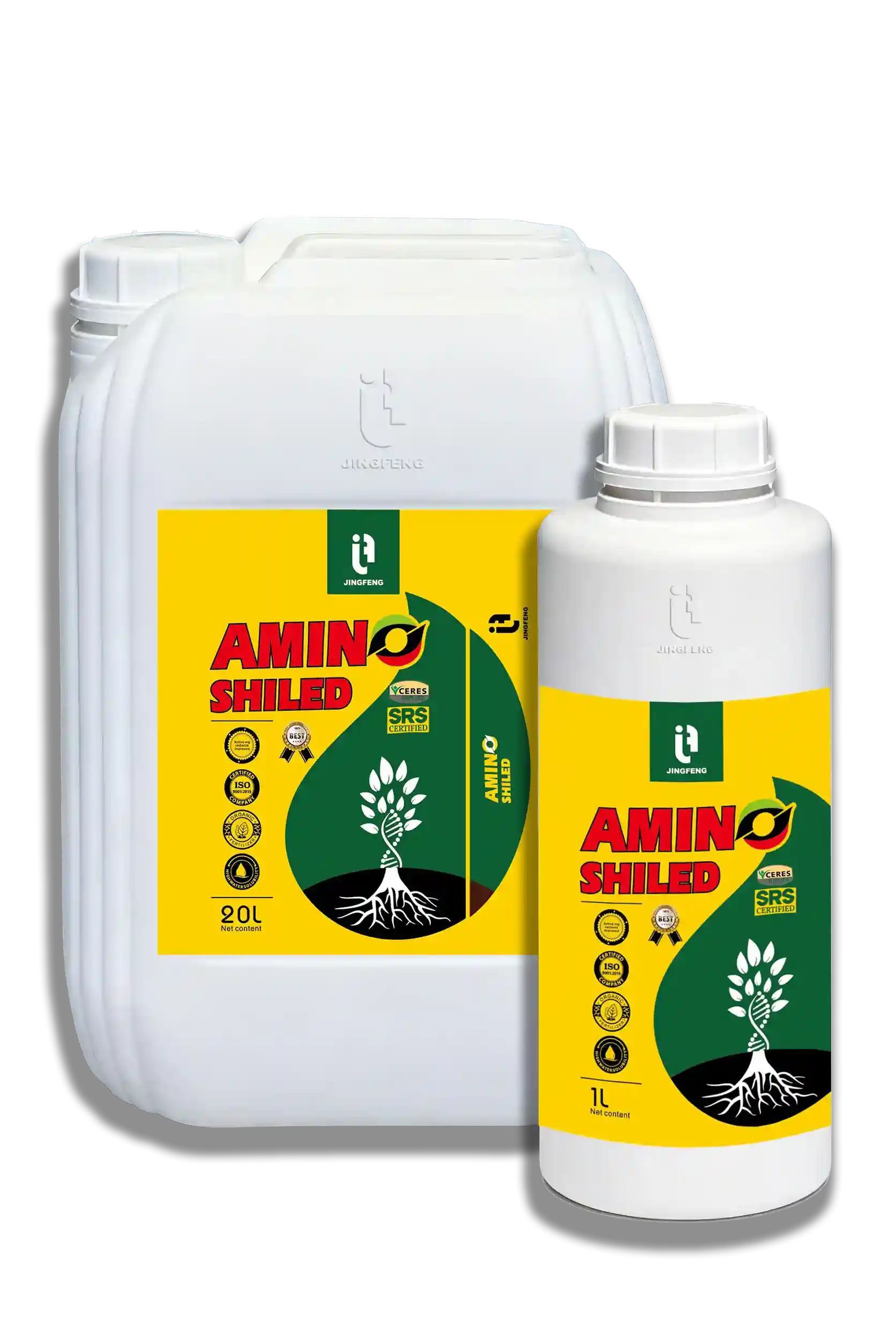
Абсолютно. Высококачественные жидкие продукты с гуминовыми кислотами JINGFENG (сертифицированные CERES) отвечают строгим требованиям органического сельского хозяйства — не содержат синтетических добавок, поддерживают плодородие почвы без использования химических веществ.
graeme@humate-cn.com
008618920222224
8618920222224
8618920222224