- 1. Bitki Potansiyelinin Kilidini Açmak: Humik Asit ve Gelişen Bahçeler için Faydalarına Nihai Rehber
- 2. Faydaları of Humik Asit (Humik Asit) Bitki büyümesi için
- 3. Tohum filizlenmesini, kök ve bitkisel büyümeyi teşvik eder
- 4. Bitkilerin metabolik süreçlerini düzenler
- 5. Humik Asit Nedir?
- 6. Humik Asit ve Bitki Büyümesi Arkasındaki Bilim
- 7. Bahçelerde Humik Asit Kullanmanın Temel Faydaları
- 8. Humik Asit Bahçe Rutininize Nasıl Entegre Edilir
- 9. Farklı Humik Asit Formları: Sıvı vs Granular
- 10. Humic Acid vs. Other Soil Modifications (Humik Asit vs. Diğer Toprak Değiştirmeleri)
- 11. Örnek Çalışmaları: Bahçecilikte Humik Asit ‘in Başarılı Kullanımı
- 12. Humik Asit Hakkında Yaygın Mitler ve Yanılgılar
- 13. Konu: Bahçenizi Geliştirmek Humik Asit (Humik Asit)
Bitki Potansiyelinin Kilidini Açmak: Humik Asit ve Gelişen Bahçeler için Faydalarına Nihai Rehber
Bahçenizi canlı bir sağlık ve canlılık vahasına dönüştürmeyi hayal edin, her bitkinin gelişip bol hasat verdiği yer. Humik asit dünyasına hoş geldiniz – gelişen bahçeniz için gizli bileşen olabilecek güçlü bir organik bileşik. Genellikle göz ardı edilen humik asit, toprak sağlığını arttırmada, besin emilimini iyileştirmede ve güçlü kök gelişimini teşvik etmekte önemli bir rol oynar.İster deneyimli bir bahçıvan olsun ister yeni başlıyorsanız, humik asidin potansiyelini anlamak bitkileriniz için yeni büyüme ve esneklik seviyelerini açabilir. Bu nihai kılavuzda, humik asidin arkasındaki bilimi, toprak ve bitki sağlığı için sayısız faydalarını ve bahçecilik rutininize dahil etmek için pratik ipuçlarını keşfedeceğiz. Sadece hayatta kalmakla kalmaz, aynı zamanda gelişen bir bahçe yetiştirmeye hazır olun!
Faydaları of Humik Asit (Humik Asit) Bitki büyümesi için
Potasyum, sodyum, amonyum tuz çözeltisi Fulvik asit veya belirli bir konsantrasyonda humik asit farklı büyüme için uygulanabilir
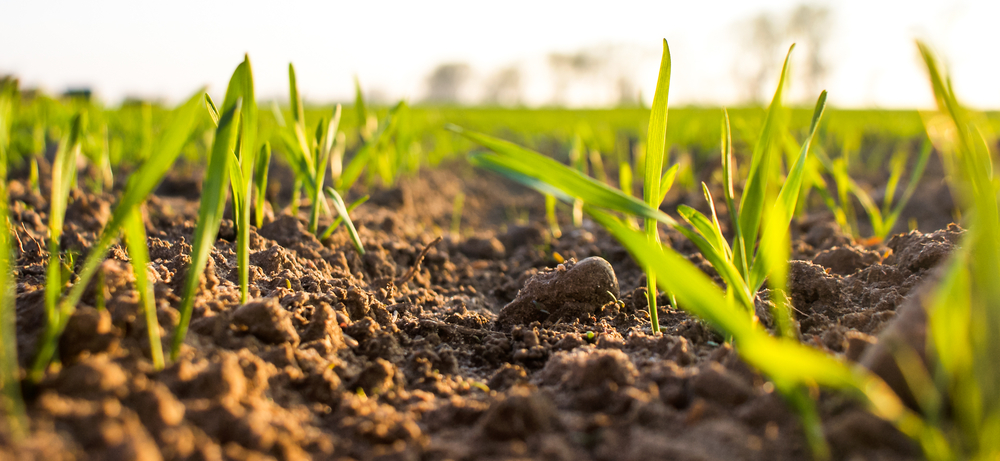 Bitkinin evveleri kök batırma, püskürtme ve kök uygulama ve benzeri şekillerde, böylece karşılık gelen uyarı üretilebilir. Bitkinin büyümesi ve gelişimini teşvik edebilirsiniz. Erken olgunluk, verim arttı ve kalite geliştirildi.
Tohum filizlenmesini, kök ve bitkisel büyümeyi teşvik eder
stimülasyonu ile humik asit Tohumun 2-3 gün önce filizlenmesine neden olabilir. Germinasyon oranı yüksek. Fıçak tam ve güçlüdür. Kök sistemi üzerindeki eylem, canlılığı teşvik edebilir. Kök sistemi üzerindeki iyi etkisi, araştırmacılara humik asidin “kök gübre ” unvanını vermesi için yapıldı.
Kök sistemine ek olarak, yeryüzündeki bitkisel bedenin büyümesi de teşvik edilir. Humik asidin uyarılmasının özellikle bitki meyvelerinin erken aşamasında önemli olduğunu belirtmek gerekir.
Bitkilerin metabolik süreçlerini düzenler
Bitkiler için humik asit, fenolik hidroksil grubu, kinon grubu ve diğer aktif fonksiyonel grupları içerir. Bu da bitkide enzim aktivitesinin artışını teşvik edebilir. Solunum ve fotosentezin yoğunluğunu artırır. Ve maddelerin sentezi, işletim ve birikiminden yararlanır.
Bitki metabolizması, maddelerin ayrıştırılması ve sentezi çeşitli enzimler tarafından tamamlanır. Sonuçlar, humik asidin polifenol oksidaz katalaz, askorbik asit oksidaz ve invertase aktiviteleri teşvik ettiğini gösterdi.Enzim aktivitesinin arttırılması metabolik süreci hızlandırır. Malzeme birikimini arttırır ve bitkileri daha erken olgunlaştırır.
Humik Asit Nedir?
Humik asit, toprakta bulunan çürümüş organik maddenin humusundan türetilen doğal bir organik bileşiktir. Bitki ve hayvansal malzemelerin uzun süreli bozulması ile oluşur ve toprak sağlığı için son derece faydalı olan moleküllerin karmaşık bir karışımı ile sonuçlanır. Humik asit karbon ve diğer temel elementlerden zengindir ve toprak yapısını ve verimliliğini iyileştirmek için değerli bir kaynak haline getirir. Koyu kahverengi ile siyah rengi, bitki büyümesini ve gelişimini desteklemek için çok önemli olan yüksek organik içeriğini gösterir.
Humik asidin moleküler yapısı karmaşık ve çeşitli aromatik ve alifatik bileşikleri içerir. Bu moleküller toprak parçacıkları, su ve besinlerle etkileşime girerek toprağın genel kalitesini arttırır. Humik asidin benzersiz kimyasal özellikleri mineral ve besin maddelerine bağlanmasına izin verir ve bitki kökleri için daha erişilebilir hale getirir. Bu süreç chelasyon olarak bilinir ve bitkiler tarafından besin alımında ve kullanımında önemli bir rol oynar.
Humik asit genellikle peat, lignite ve leonardit gibi doğal yataklarda bulunur. Tarım ve bahçe kullanımı için farklı şekillerde çıkarılabilir ve işlenebilir. Bahçenize humik asit ekleyerek, daha sağlıklı ve daha verimli bitkilere yol açan doğal çürümüş ve besin döngüsünü taklit eden bir madde ile toprak zenginleştiriyorsunuz.
Humik Asit ve Bitki Büyümesi Arkasındaki Bilim
Humik asidin arkasındaki bilimi anlamak, bitki büyümesi üzerindeki etkisini kavramak için gereklidir. Humik asit, toprak ve bitki biyolojisinin birkaç kilit yönünü etkiler ve gelişmiş büyüme ve esnekliğe katkıda bulunur. Humik asidin bitkilere fayda sağlamasının birincil yollarından biri, toprak yapısını iyileştirme yeteneğidir. Toprak parçacıklarının toplanmasını teşvik eder, havalandırmayı ve su tutmasını artıran gözenekler yaratır. Bu gelişmiş toprak ortamı güçlü kök gelişimini destekler ve bitkilerin besin maddelerine ve nemine daha verimli erişmelerine izin verir.
Humik asidin bir diğer önemli işlevi, besin yönetimindeki rolüdür. Humik asit molekülleri, kalsiyum, magnezyum ve demir gibi temel besinlerle chelate veya bağlanabilir. Bu螯asyon süreci, bu besinlerin bitkilere ulaşılamasını arttırır ve daha iyi emilim ve kullanımını kolaylaştırır. Ek olarak, humik asit, besinlerin bitkiler tarafından daha kolay asimile edilebilen formlara dönüşümüne yardımcı olur ve hayati elementlerin dengeli bir tedarikini almasını sağlar.
Humik asit de topraktaki mikrobiyal aktiviteleri etkiler. Yararlı toprak mikroorganizmaları için bir gıda kaynağı olarak hizmet eder ve gelişen bir mikrobiyal ekosistem teşvik eder. Bu mikroorganizmalar besin döngüsünde, organik maddenin ayrıştırılmasında ve hastalığın bastırılmasında önemli bir rol oynarlar. Mikrobiyal aktiviteleri arttırarak, humik asit daha sağlıklı ve daha esnek bir toprak ortamına katkıda bulunur ve nihayetinde güçlü bitki büyümesini destekler.
Bahçelerde Humik Asit Kullanmanın Temel Faydaları
Bahçelerde humik asit kullanmanın faydaları çok yönlüdür ve genel bitki sağlığını ve verimliliğini kapsamak için toprak iyileştirmesinin ötesine uzanır. En önemli avantajlarından biri, geliştirilmiş kök gelişimidir. Humik asit, kök kıllarının oluşumunu teşvik ederek ve kök dallanmasını arttırarak kök büyümesini teşvik eder. Bu, suyu ve besin maddeleri daha etkili bir şekilde emen, daha güçlü ve daha sağlıklı bitkilere yol açan daha kapsamlı ve verimli bir kök sistemi ile sonuçlanır.
Humik asit ayrıca besin alımı ve kullanımında hayati bir rol oynar. Temel mineralleri chelat ederek, humik asit bitkilerin dengeli bir besin kaynağına erişimini sağlar. Bu gelişmiş besin kullanılabilirliği, artmış büyüme oranlarına, daha yüksek verimlere ve daha kaliteli ürünlere yol açar. Ek olarak, humik asit, bitkiler içindeki çeşitli fizyolojik süreçler için çok önemli olan mikro besinlerin emilimini arttırır.
Humik asidin bir diğer önemli yararı, toprak yapısını ve su tutma yeteneğini geliştirmektir. Toprağın toplanmasını teşvik ederek, humik asit, daha iyi havalandırma ve nem tutma olanağı veren daha gözenekli bir toprak ortamı yaratır. Bu özellikle su ve besin maddeleri hızla kaybedebileceği kumlu veya sıkıştırılmış topraklarda yararlıdır. Gelişmiş toprak yapısı erozyonu da azaltır ve topun bitki köklerini destekleme yeteneğini arttırır.
Humik Asit Bahçe Rutininize Nasıl Entegre Edilir
Bahçecilik rutininize humik asit eklemek nispeten basit ve etkileyici sonuçlar verebilir.İlk adım, ihtiyaçlarınız için uygun humik asit formunu seçmektir. Humik asit, sıvı, granül ve toz da dahil olmak üzere çeşitli formlarda mevcuttur. Her formun avantajları ve uygulama yöntemleri vardır, bu nedenle bahçe uygulamalarınıza en uygun olanı seçmek önemlidir.
Sıvı humik asit için, uygulama basit ve çok yönlüdür. Sıvı humik asit su ile karıştırılabilir ve doğrudan toprağa uygulanabilir veya yaprak spreyi olarak kullanılabilir. Bu form, hızlı emilim ve acil etkileri için özellikle yararlıdır. Sıvı humik asit kullanırken, aşırı kullanımdan kaçınmak için önerilen seyreltme oranlarını ve uygulama talimatlarını takip etmek önemlidir.
Granüler humik asit, özellikle daha büyük bahçe alanları veya uzun vadeli toprak iyileştirme için başka bir popüler seçenektir. Granüller toprak yüzeyi üzerinde eşit şekilde yayılabilir ve hafifçe üst toprak içine dahil edilebilir. Bu yöntem, yavaş yavaş salımlı bir etki sağlar ve zaman içinde toprakları yavaş yavaş humik asitle zenginleştirir. Granüler humik asit bahçe yatakları, çimleri ve tutarlı toprak geliştirme ihtiyacı olan alanlar için idealdir.
Farklı Humik Asit Formları: Sıvı vs Granular
Humik asit, her biri benzersiz faydalar ve uygulama yöntemleri sunan çeşitli formlarda mevcuttur. Sıvı humik asit, hızlı etkisiz özellikleri ve kullanım kolaylığı ile bilinir. Bitki kökleri ve yaprakları tarafından hızlıca emilebilir ve acil faydalar sağlayabilir. Sıvı humik asit, yaprak spreyleri, hidroponik sistemler ve hızlı besin emiliminin istendiği durumlar için idealdir.Çok yönlülüğü hassas uygulama ve verimli besin teslimatına izin verir.
Öte yandan granül humik asit, toprakları yavaş yavaş zenginleştiren yavaş serbest bırakma etkisi sunar. Bu form, uzun vadeli toprak iyileştirmesi ve sürdürülebilir bitki büyümesi için özellikle yararlıdır. Granüller toprak yüzeyi üzerinde eşit şekilde dağıtılabilir veya ekim sırasında toprağa karıştırılabilir. Granüler humik asit bahçe yatakları, çimleri ve tutarlı toprak geliştirmesi gerektiren alanlar için idealdir. Yavaş salımlı doğası, zaman içinde besinlerin istikrarlı bir tedarikini sağlar.
Sıvı ve granül humik asit arasında seçim yapmak, özel bahçe ihtiyaçlarınıza ve tercihlerinize bağlıdır. Sıvı humik asit, hızlı sonuçlar ve hassas uygulama için mükemmeldir, granül humik asit ise uzun süreli toprak zenginleştirmesi için daha uygundur. Her iki form da toprak sağlığını ve bitki büyümesini teşvik etmede son derece etkilidir, bu nedenle seçim nihayetinde istenen sonuca ve kullanım kolaylığına bağlıdır.
Humic Acid vs. Other Soil Modifications (Humik Asit vs. Diğer Toprak Değiştirmeleri)
Humik asit, benzersiz özellikleri ve kapsamlı faydaları nedeniyle diğer toprak değişiklikleri arasında öne çıkmaktadır. Kompost, gübre ve sentetik gübre gibi birçok toprak değişikliği olsa da, humik asit herhangi bir bahçeye paha biçilemez bir ek olarak kılan farklı avantajlar sunar. Anahtar farklılıklardan biri, humik asidin toprak yapısını iyileştirme ve chelasyon yoluyla besin kullanılabilirliğini arttırma yeteneğidir.
Kompost ve gübre ile karşılaştırıldığında, humik asit daha konsantrasyonel ve daha yüksek bir organik madde seviyesi sağlar. Kompost ve gübre toprağa organik içeriği eklemek için mükemmel olsa da, humik asit toprağın sağlığını iyileştirmek için daha hedeflenen bir yaklaşım sunar. Moleküler yapısı, toprak parçacıkları ile daha iyi etkileşime olanak tanır ve havalandırma, su tutma ve besin emiliminin iyileştirilmesine yol açar.
Sentetik gübreler, anında besin artışları sağlamada etkili olsa da, genellikle humik asidin uzun vadeli faydalarından yoksundur. Humik asit sadece temel besinleri sağlamaz, aynı zamanda topun bu besin maddeleri koruma ve döngüleme yeteneğini de arttırır. Bu, zaman içinde sürdürülebilir bitki büyümesi ve daha sağlıklı topraklara yol açar. Ek olarak, humik asit, besin döngüsü ve hastalık bastırma için çok önemli olan mikrobiyal aktiviteleri destekler, genellikle sentetik gübreler tarafından sağlanmayan faydalar.
Örnek Çalışmaları: Bahçecilikte Humik Asit ‘in Başarılı Kullanımı
Birçok bahçıvan ve çiftçi, bahçe uygulamalarında humik asit kullanılarak olağanüstü bir başarı bildirmiştir. Dikkat çekici bir vaka çalışması, sulama sistemine sıvı humik asit dahil eden ticari bir sebze çiftliğini içerir.Çiftlik, hasat veriminde ve genel bitki sağlığında önemli bir artış yaşadı. Sebzeler daha büyük büyüdü, daha iyi bir tadı vardı ve zararlılara ve hastalıklara karşı artan direnç gösterdi.Çiftçiler, bu iyileştirmeleri humik asit tarafından sağlanan gelişmiş besin alımına ve toprak sağlığına atfettiler.
Başka bir vaka çalışması, konut bahçesinde granül humik asidin kullanımını vurgulamaktadır. Bahçıvan, çiçek yataklarına ve sebze arazilerine granül humik asit uyguladı ve bitki büyümesinde ve toprak kalitesinde belirgin gelişmeler yaşandı.Çiçekler daha canlı açıldı ve sebzeler artan boyut ve daha iyi tadı gösterdi. Bahçıvan, toprağın daha gözenekli hale geldiğini ve nemini daha iyi koruduğunu gözlemledi ve sık sulama ihtiyacını azalttı.
Üçüncü bir vaka çalışması, üzüm sağlığını ve verimliliğini geliştirmek için humik asit tedavileri uygulayan bir üzüm bahçesini içerir. Bağ, kök gelişimini ve besin emilimini arttırdığını, daha sağlıklı asmalara ve daha yüksek üzüm verimlerine yol açtığını bildirdi.Üzüm kalitesi, daha iyi şeker içeriği ve lezzet profilleri ile iyileşti. Bağın humik asit ile başarısı, yüksek değerli ürünler ve özel bahçe uygulamaları için potansiyelini göstermektedir.
Humik Asit Hakkında Yaygın Mitler ve Yanılgılar
Sayısız yararına rağmen, humik asit bazen mitler ve yanlış fikirlerle çevrilidir. Yaygın bir efsane, humik asidin sentetik bir kimyasaldır. Gerçekte, humik asit, bitki ve hayvan maddesinin bozulmasından türetilen doğal bir organik bileşiktir. Yapay olarak sentezlenmez ve organik bahçe uygulamalarında kullanım için güvenlidir.
Bir başka yanlış anlaşılma ise humik asidin sadece belirli bitkiler türleri için faydalı olduğu yönündedir. Bazı bitkiler humik asite daha dramatik bir şekilde yanıt verebilirken, faydaları tüm bitki türlerine uzanır. Humik asit, toprak sağlığını, besin kullanılabilirliğini ve herhangi bir bitki için evrensel olarak avantajlı olan kök gelişimini geliştirir. Sebzeler, çiçekler veya ağaçlar yetiştiriyor olsanız da, humik asit büyüme ve esnekliği artırabilir.
Bazı bahçıvanlar humik asidin sadece büyük miktarlarda etkili olduğuna inanırlar. Bununla birlikte, humik asit yüksek konsantrasyondadır ve küçük miktarlarda bile toprak ve bitki sağlığını önemli ölçüde geliştirebilir. Anahtar tutarlı uygulama ve toprağa doğru entegrasyondur. Aşırı kullanım dengesizliklere yol açabilir, bu nedenle önerilen uygulama oranlarını ve yöntemlerini takip etmek önemlidir.
Konu: Bahçenizi Geliştirmek Humik Asit (Humik Asit)
Bahçenizdeki humik asit potansiyelinin kilidini açmak dönüştürücü sonuçlara yol açabilir. Bu güçlü organik bileşik, toprak yapısını ve besin kullanımını iyileştirmekten bitki sağlığını ve esnekliğini artırmaya kadar sayısız fayda sunar. Humik asidin arkasındaki bilimi anlayarak ve onu bahçecilik rutininize dahil ederek, sadece hayatta kalmakla kalmayacak, aynı zamanda gelişen bir bahçe yetiştirebilirsiniz.
İster sıvı ister granüler humik asit seçerseniz, anahtar tutarlı ve uygun uygulama. Her iki form da benzersiz avantajlar sunar ve özel bahçe ihtiyaçlarınıza göre uyarlanabilir. Toprağı humik asit ile geliştirerek, bitkilerinizin uzun vadeli sağlığına ve verimliliğine yatırım yaparsınız. Faydalar, sürdürülebilir toprak iyileştirmesi ve sağlam bitki gelişimini kapsamaya yönelik anlık büyümenin ötesine uzanır.
Efsaneler ve yanlış anlamaların humik asidin tam potansiyelini deneyimlemenizi engellemesine izin vermeyin. Bu doğal organik bileşik güvenli, etkili ve her tür bahçe uygulamaları için uygundur. Kanıtlanmış geçmişi ve geniş kapsamlı faydaları ile humik asit, bahçelerinde yeni büyüme ve canlılık seviyelerini açmak isteyen herhangi bir bahçıvan için değerli bir araçtır.