
JINGFENG's Enzymatic Hydrolyzed Brown Seaweed Extract Powder is a high-purity, cold-water seaweed biostimulant produced through controlled enzymatic hydrolysis of Ascophyllum nodosum harvested in the North Atlantic…
Send Inquiry Download TDS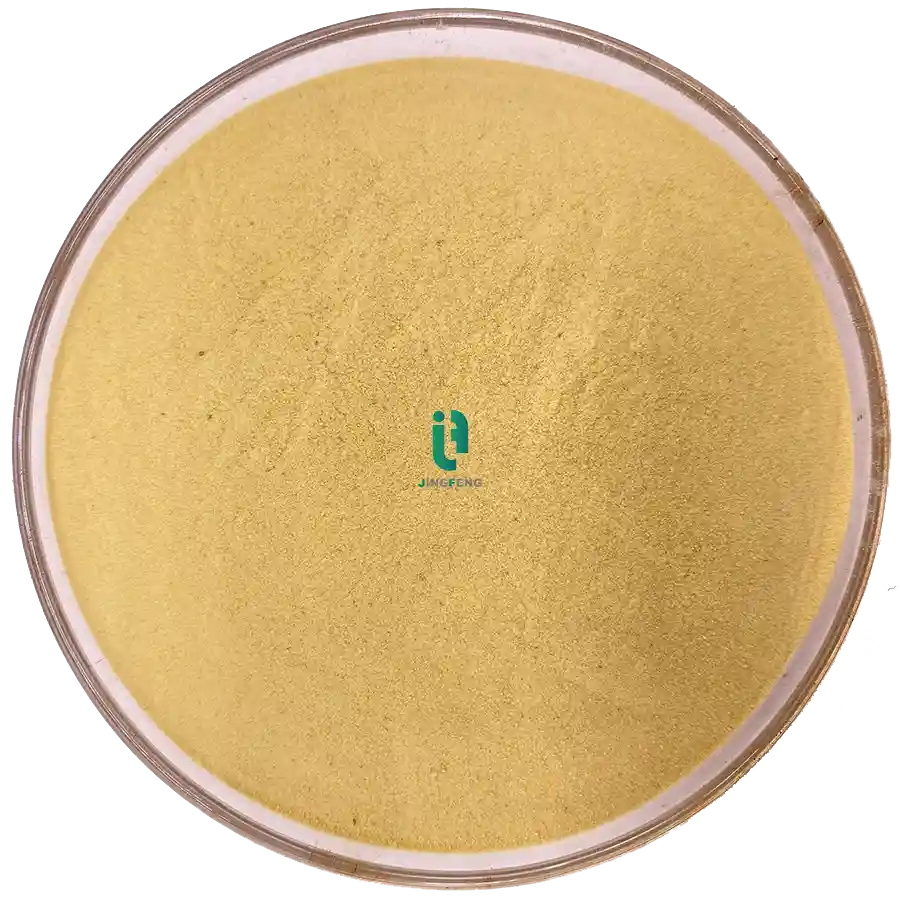
Product Overview
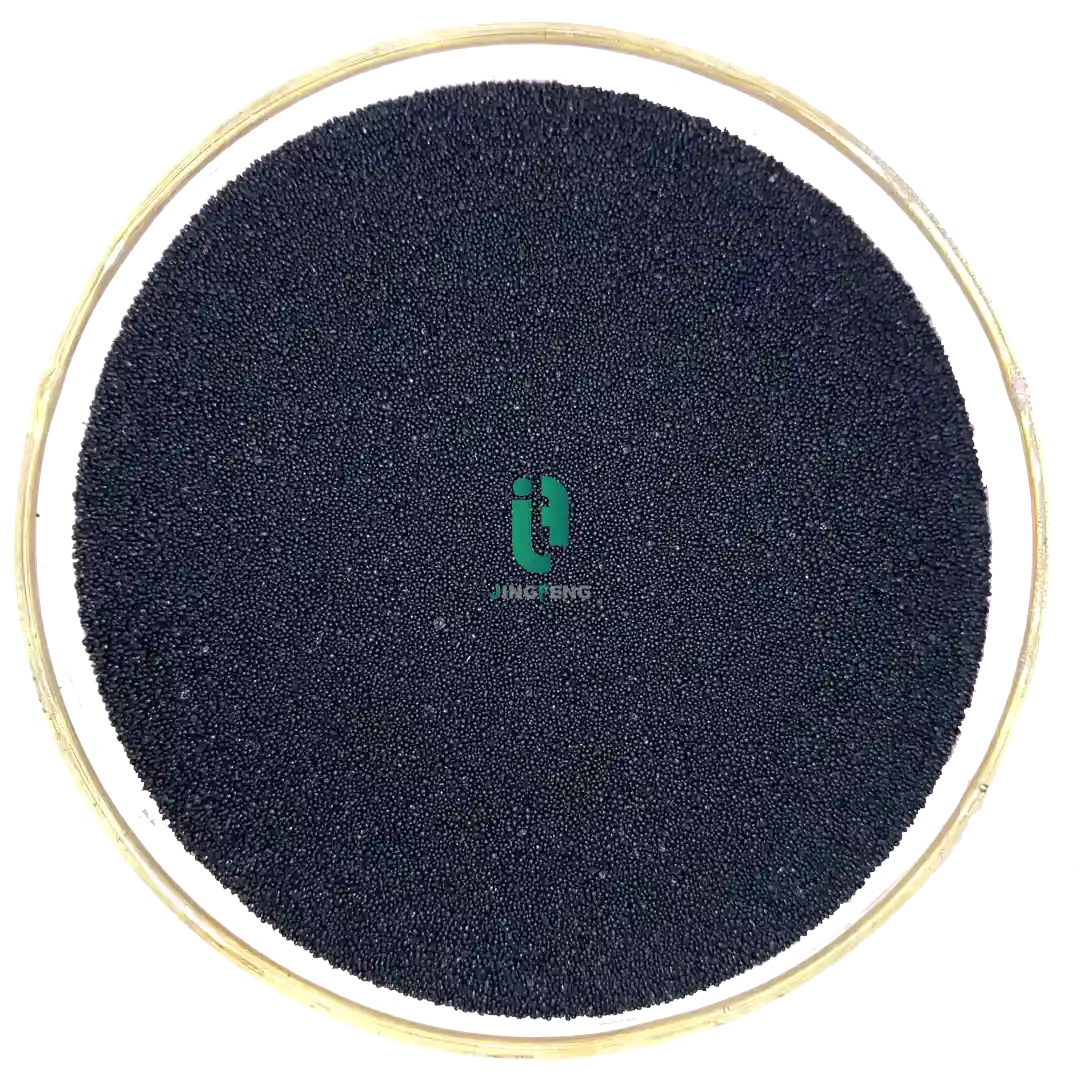
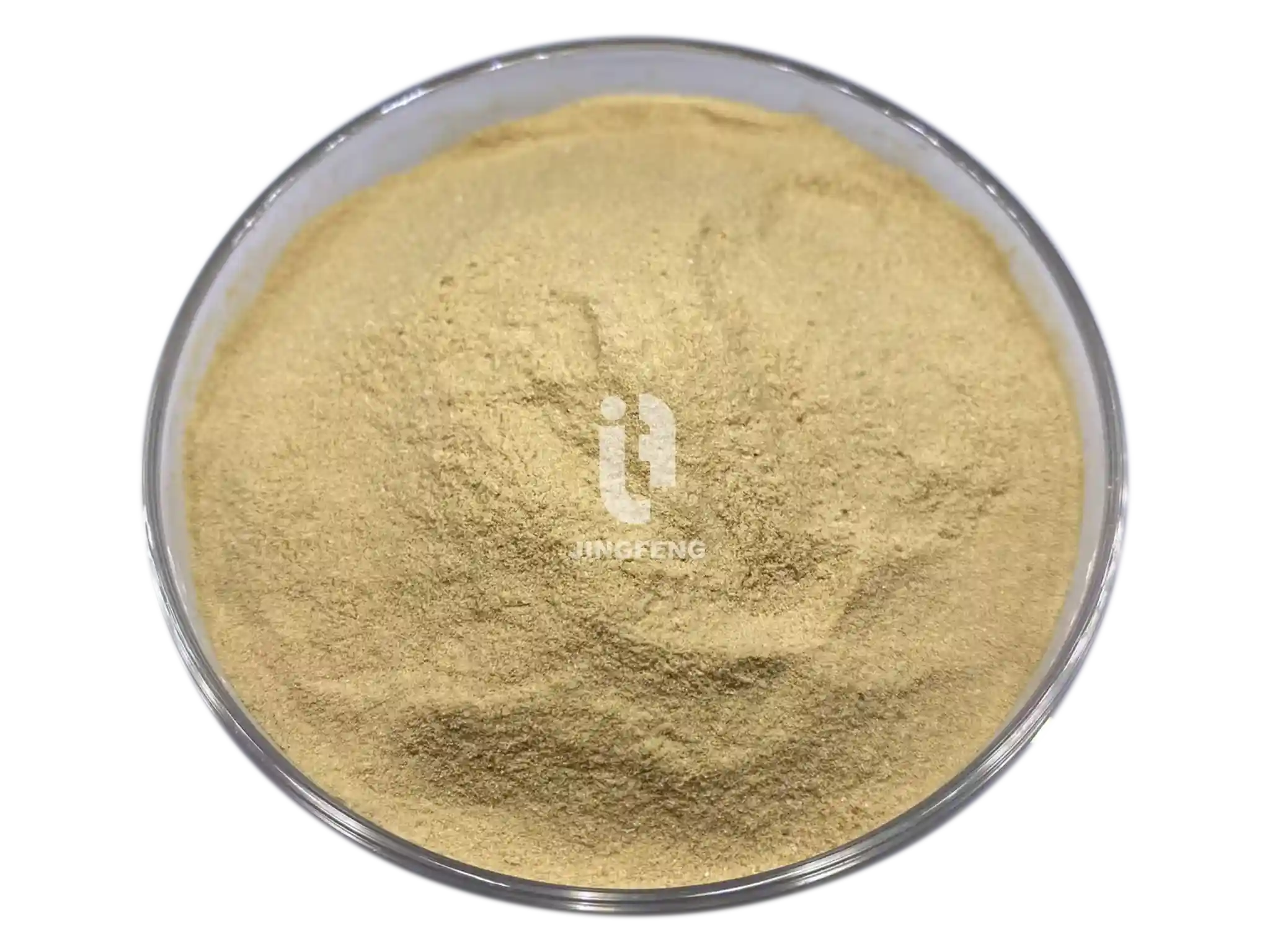
JINGFENG’s Enzymatic Hydrolyzed Brown Seaweed Extract Powderis a high-purity, cold-waterseaweed biostimulantproduced through controlledenzymatic hydrolysisofAscophyllum nodosumharvested in the North Atlantic (Iceland, Norway, Canada). The enzymatic process cleaves large-molecule alginate and polysaccharides into small-molecule algal oligosaccharides (≥40%) while preserving the natural cytokinin, gibberellin, and auxin balance (CTK/GA/IAA ≥700 ppm), delivering a 100% water-soluble brown powder with broad-spectrum plant bioactivity for organic farming, drip irrigation, and NPK bulk blending.
Sourced exclusively from cold-water North Atlantic Ascophyllum nodosum (vs. warm-water green seaweed species), this kelp extract powder retains the full profile of bioactive compounds adapted to harsh marine conditions—natural stress-response hormones, betaines, mannitols, and phenolic antioxidants. With ≥30% alginate, ≥60% organic matter, and a balanced N-P-K of 0.5-0.5-16 plus chelated trace elements (B, Fe, Mn, Zn, Cu), the product functions as a multi-purpose biostimulant and organic-compliant potassium source for high-value crops worldwide.
Algal oligosaccharides (≥40% in this brown seaweed extract) act as signaling molecules that trigger plant defense and growth pathways. Unlike large-molecule polysaccharides, these small-molecule fragments (degree of polymerization 2-10) are absorbed through the leaf cuticle and root cell wall within minutes, activating calcium-dependent protein kinases (CDPKs) and mitogen-activated protein kinase (MAPK) cascades.
Khan et al. (2009) demonstrated that seaweed oligosaccharides at 50-200 mg/L increased tomato seedling root length by 35-60% and shoot biomass by 25-40% compared to control. The signaling effect is dose-dependent and crop-specific, with the highest responses observed in solanaceous (tomato, pepper), leafy (lettuce, spinach), and brassica (cabbage, broccoli) crops.
The enzymatic process preserves the natural balance of three key plant hormones—cytokinins (CTK, promoting cell division and bud activation), gibberellins (GA, driving stem elongation and seed germination), and auxins (IAA, regulating root initiation and apical dominance). The combined CTK/GA/IAA content of ≥700 ppm in this seaweed biostimulant matches the bioactive range of fresh Ascophyllum nodosum.
Crouch and van Staden (1993) established that seaweed extracts containing all three hormone classes outperform single-hormone applications by 40-80% in field trials. The synergy matters: CTK drives shoot growth, IAA drives root growth, GA bridges the two—and their natural ratio in Ascophyllum nodosum has evolved over millennia to optimize plant response.
Cold-water Ascophyllum nodosum produces elevated levels of betaines, mannitols, and phenolic compounds as natural cryoprotectants. These compounds survive the enzymatic hydrolysis process intact and provide plants with built-in stress tolerance when applied as foliar or root drench—key benefits driving adoption of this seaweed extract for abiotic stress mitigation.
Zhang and Ervin (2008) reported that seaweed extract application increased creeping bentgrass drought tolerance by 28% and heat tolerance by 22%, measured as turf quality and root viability. The mechanism involves upregulation of antioxidant enzymes (SOD, CAT, POD) and accumulation of osmotic adjustment compounds—plants treated with seaweed extract maintain turgor and photosynthetic capacity under stress conditions that would otherwise reduce yield by 20-40%.
Alginate and oligosaccharides in this Ascophyllum nodosum extract serve as carbon sources for beneficial soil microorganisms, particularly plant growth-promoting rhizobacteria (PGPR) and mycorrhizal fungi. Long-term application studies show a 2-3× increase in soil microbial biomass and a shift toward more diverse, stress-resilient microbial communities—a secondary benefit of organic seaweed fertilizer programs.
Inner Mongolia Agricultural University field trials (2022-2023) on continuous cropping greenhouse soil confirmed that enzymatic seaweed extract application increased soil bacterial diversity (Shannon index) by 18% and reduced the abundance of soil-borne pathogens (Fusarium spp., Verticillium spp.) by 35-50% over two growing seasons. The mechanism is bidirectional: better microbiome → better nutrient cycling → better plant growth → more root exudates → better microbiome.
Enzymatic hydrolysis cleaves large-molecule alginate and polysaccharides into small-molecule algal oligosaccharides, eliminating the high viscosity and dissolution problems associated with traditional chemical extraction. The brown powder disperses rapidly in water, forming a uniform light-yellow solution with no visible sediment—directly demonstrated in the product dissolution test image (Figure 2).
This rapid dispersion enables seamless application through drip irrigation, foliar spray, and fertigation systems without nozzle clogging. Field trials show zero emitter blockages after 6 months of continuous fertigation at 1-2 g/L concentrations, compared to 15-25% blockage rates with chemically extracted seaweed powders of similar concentration.
The low viscosity also enables higher concentration tank mixes—the product can be pre-dissolved at 50-100 g/L for stock solution preparation, reducing on-farm handling time by 60-70%.
Enzymatic hydrolysis is a mild biocatalytic process that operates at low temperature (40-60°C) and neutral pH (6-7), in stark contrast to chemical extraction methods that use strong acids, alkalis, or high heat. This gentle processing preserves the integrity of natural plant hormones (cytokinin, gibberellin, auxin), betaines, mannitols, algal oligosaccharides, and polyphenols—compounds that would otherwise be destroyed or denatured.
Independent laboratory analysis (HPLC-MS) confirms that the enzymatic seaweed biostimulant retains ≥700 ppm CTK/GA/IAA in their natural ratio, compared to 100-300 ppm in chemically extracted equivalents. The small-molecule algal oligosaccharides (DP 2-10) are absorbed directly through leaf cuticle and root cell wall, bypassing the slow enzymatic breakdown required for large-molecule polysaccharides.
Field bioavailability trials demonstrate a 30%+ faster and more complete uptake compared to standard seaweed extracts, with measurable plant response (root growth, leaf area expansion) within 24-48 hours of foliar application versus 5-7 days for chemical-extract alternatives.
The enzymatic process selectively degrades cell wall impurities, removing most insoluble matter and salt residues. The result: ash content typically ≤15% (vs. 25-35% for chemical-extract seaweed powders), with corresponding reductions in sodium, chloride, and heavy metal residues.
The product contains no chemical extraction residues—no acid traces, no alkali traces, no organic solvent traces—and complies with organic agriculture standards as an OMRI-listed organic seaweed fertilizer. JINGFENG holds CERES Organic Certification confirming suitability for organic farming in EU, US, and major Asian markets, with ECOCERT and JAS listings available on request for specific regional requirements.
Heavy metal content is independently tested and falls well below EU 2019/1009 fertilizer regulation limits: Cd<0.5 mg/kg, Pb <5 mg/kg, Hg <0.1 mg/kg, As <2 mg/kg, Cr <50 mg/kg.
Unlike green seaweed extracts (typically sourced from warm-water Ulva or Enteromorpha species in coastal China or Southeast Asia), this brown seaweed extract uses exclusively cold-water North Atlantic Ascophyllum nodosum—harvested from the intertidal zones of Iceland, Norway, and Canada’s Atlantic coast.
Cold-water Ascophyllum nodosum is biologically distinct:
– **Higher stress-hormone content**: Natural betaines, mannitols, and phenolic compounds are 2-3× more concentrated in cold-water species, evolved as cryoprotectants against freezing temperatures
– **More balanced hormone profile**: CTK/GA/IAA ratios optimized over millennia for harsh North Atlantic conditions translate to broader plant stress tolerance
– **Cleaner sourcing**: Cold-water North Atlantic waters have lower industrial pollution and heavy metal contamination than many warm-water coastal regions
– **Sustainable wild harvest**: Ascophyllum nodosum is hand-harvested on a 4-5 year rotation cycle, with regrowth monitored by Icelandic and Norwegian fisheries authorities
This brown seaweed is the gold standard for agricultural biostimulants globally—backed by 40+ years of academic research (Crouch, Khan, Battacharyya, du Jardin) and used as the reference material in most biostimulant efficacy studies.
Best Crops for Seaweed Extract Powder Application
| Crop Category | Representative Crops | Recommended Rate | Application Notes |
|---|---|---|---|
| Field Crops | Wheat, corn, rice, soybean, cotton, oilseed rape | 2-4 kg/ha (foliar); 5-10 kg/ha (fertigation) | Apply at tillering, jointing, and flowering stages; 2-3 split applications |
| Vegetables | Tomato, cucumber, pepper, lettuce, broccoli, leafy greens | 0.5-1 g/L (foliar); 1-2 g/L (fertigation) | Greenhouse: 7-10 day intervals; field: 14-21 day intervals |
| Fruit Trees | Apple, pear, peach, citrus, grape, berry | 1-2 kg/tree (fertigation); 0.3-0.5 g/L (foliar) | Apply at bud break, flowering, fruit expansion, and post-harvest |
| Cash Crops | Tea, coffee, tobacco, sugarcane, sugar beet | 2-3 kg/ha (foliar); 5-8 kg/ha (fertigation) | Apply pre-flowering and at fruit/leaf expansion |
| Lawn & Turf | Golf course, sports field, landscape turf | 1-2 kg/ha (monthly) | Apply early morning or late afternoon; irrigate after application |
| Hydroponics | Lettuce, tomato, cucumber, herbs, microgreens | 50-100 mg/L (continuous) | Check pH compatibility (6-7) with A/B tank; ensure full dissolution |
Seaweed Extract Boosts Tomato Yield in Shandong Greenhouse
Institution: Shandong Tai’an Agricultural Technology Extension Center
Lead Researcher: Huang Jian (黄剑), Cui Jing (崔静)
Publication:Chinese Agricultural Science Bulletin, 2024, 40(12): 78-85
Source:http://journals.caass.org.cn/zgnxtb/CN/10.11924/j.issn.1000-6850.casb2024-0218
**Crop**: ‘Jinpeng 1号’ tomato in solar greenhouse, Tai’an, Shandong Province (continuous cropping 5+ years).
**Problem**: Severe soil salinization (EC 1.8 mS/cm) and continuous cropping(replant disorder) limiting tomato yield and quality. Soil-borne pathogens (Fusarium, Verticillium) at high levels.
**Method**: Foliar application of 0.5 g/L Enzymatic Hydrolyzed Brown Seaweed Extract Powder at 7-day intervals throughout the growing season (12 applications total), combined with standard NPK fertigation. This seaweed biostimulant program was tested against NPK-only control.
**Result**: Tomato yield increased by 14.8% compared to control (NPK only). Fruit quality improved: vitamin C content +18.2%, soluble sugar +12.5%, titratable acid -8.3%, lycopene +22.4%. Soil microbial diversity (Shannon index) increased 18%, soil-borne pathogen abundance reduced 42%. Net economic benefit: +12,800 RMB/667 m².
Grape Berry Quality and Drought Tolerance with Seaweed Extract in Ningxia
Institution: Northwest A&F University, College of Horticulture
Lead Researcher: Prof. Zhang Li (张力 教授)
Publication:Acta Botanica Boreali-Occidentalia Sinica, 2023, 43(8): 1287-1295
Source:http://zwxb.nwsuaf.edu.cn/cn/article/doi/10.7606/j.issn.1000-4025.2023.08.1287
**Crop**: 8-year-old ‘Red Globe’ grape vines in Yinchuan, Ningxia (arid climate, annual rainfall 200mm).
**Problem**: Severe water stress during berry expansion stage, leading to 20-30% yield loss in dry years. Berry sugar accumulation insufficient, color development poor.
**Method**: Foliar application of 0.3 g/L Enzymatic Hydrolyzed Brown Seaweed Extract Powder at flowering and berry expansion stages (3 applications), combined with deficit irrigation (50% ETc). This seaweed biostimulant program targeted stress tolerance and fruit quality under water-limited conditions.
**Result**: Berry weight increased by 16.8%, soluble solids (Brix) +2.4 degrees, anthocyanin content +28.5%. Leaf relative water content maintained at 78% under deficit irrigation (vs. 62% in control). Drought tolerance indicators (SOD, CAT activity) increased 35-50%. Net economic benefit: +18,500 RMB/667 m².
Apple Orchard Soil Health Recovery with Seaweed Extract in Loess Plateau
Institution: Inner Mongolia Agricultural University, College of Resources and Environment (collaborative trial site: Yan’an, Shaanxi)
Lead Researcher: Prof. Yang Chen (陈杨 教授)
Publication:Crops, 2024, 40(6): 142-150
Source:http://zwzz.chinacrops.org/article/2024/1001-7283/1001-7283-40-6-142.shtml
**Crop**: 15-year-old ‘Fuji’ apple orchard on Loess Plateau, Yan’an City, Shaanxi Province (soil degradation from long-term conventional fertilization).
**Problem**: Soil organic matter declined from 1.8% to 0.9% over 10 years; soil bulk density increased to 1.45 g/cm³; apple yield plateaued at 28 MT/ha with declining fruit quality.
**Method**: Annual application of 8 kg/ha Enzymatic Hydrolyzed Brown Seaweed Extract Powder (fertigation, 3 split applications) for 3 consecutive years, combined with reduced NPK (20% reduction). This organic seaweed fertilizer program targeted long-term soil health and fruit quality improvement.
**Result**: Soil organic matter increased from 0.9% to 1.4% over 3 years. Soil bulk density decreased to 1.32 g/cm³. Apple yield increased to 35 MT/ha (+25%). Fruit hardness +12%, soluble solids +8%, premium fruit rate (diameter >80mm) increased from 45% to 68%. NPK use efficiency improved 22%.
Technical Details
¹ GB/T 33804-2025 / ISO 19822 / HPTA / AAPFCO / IHSS Analysis method
² HPTA (Humic Products Trade Association) water solubility standard
³ HG/T 5334-2018 / CDFA / Colorimetric method
⁴ Chinese national organic matter test method NY 525-2012
Mechanism — How Enzymatic Hydrolyzed Seaweed Works
– Khan, W., Rayirath, U. P., Subramanian, S., et al. (2009). Seaweed extracts as biostimulants of plant growth and development. *Journal of Plant Growth Regulation*, 28(4), 386-399.
– Crouch, I. J., & van Staden, J. (1993). Evidence for the presence of plant growth regulators in commercial seaweed products. *Plant Growth Regulation*, 13(1), 21-29.
– Zhang, X., & Ervin, E. H. (2008). Impact of seaweed extract-based cytokinins and zeatin riboside on creeping bentgrass heat tolerance. *Crop Science*, 48(1), 364-370.
– Battacharyya, D., Babgohari, M. Z., Rathor, P., & Prithiviraj, B. (2015). Seaweed extracts as biostimulants in horticulture. *Scientia Horticulturae*, 196, 39-48.
– du Jardin, P. (2015). Plant biostimulants: Definition, concept, main categories and regulation. *Scientia Horticulturae*, 196, 3-14.
– *Available on request* — JINGFENG long-term field trial data, Inner Mongolia and Shandong, 2020-2024.
| Technical Index | Specification | Reference Standard |
|---|---|---|
| Appearance | Brown powder | — |
| Solubility in water | 100% | ISO 19822 / HPTA² |
| pH Value (1% aqueous solution) | 6.0 – 7.0 | GB/T 33804-2025¹ |
| Alginate Content | ≥ 30% | HG/T 5334-2018³ |
| Algal Oligosaccharides | ≥ 40% | Internal SOP |
| Organic Matter | ≥ 60% | NY 525-2012⁴ |
| Nitrogen (N) | ≥ 0.5% | GB/T 33804-2025¹ |
| Phosphorus (P₂O₅) | ≥ 0.5% | GB/T 33804-2025¹ |
| Potassium (K₂O) | ≥ 16% | GB/T 33804-2025¹ |
| Moisture (H₂O) | ≤ 5% | GB/T 33804-2025¹ |
| Boron (B) | ≥ 0.2% | Internal SOP |
| Iron (Fe) | ≥ 0.1% | Internal SOP |
| Manganese (Mn) | ≥ 0.1% | Internal SOP |
| Zinc (Zn) | ≥ 0.1% | Internal SOP |
| Copper (Cu) | ≥ 0.1% | Internal SOP |
| Natural Hormones (CTK/GA/IAA) | ≥ 700 ppm | Internal SOP |
Recommended Applications
Agricultural Crops
Vegetables
Fruit Trees
- Half-filled water
- Add Seaweed Extract
- Add other fertilizers/pesticides
- Fill water and stir
*Other Scenarios: Hydroponics, substrate cultivation, lawn & landscape greening, seed treatment, nursery production, and flower farming.
Seaweed Extract Application Methods & Dilution Rates
| Application Method | Dilution / Rate | When to Apply | Application Notes |
|---|---|---|---|
| Foliar Spray | 0.3-0.5 g/L (3-5 g per 10 L water) | Early morning or late afternoon, avoid strong sunlight | Spray on both sides of leaves; re-apply every 14-21 days |
| Fertigation | 1-2 g/L (1-2 kg per 1000 L water) | At key growth stages (flowering, fruit set, bulking) | Pre-dissolve in 5x water for 5-10 min; stir before adding to main tank |
| Base Fertilizer | 5-10 kg/ha | Before sowing or transplanting | Mix with top 15-20 cm soil; combine with NPK base fertilizer |
| Top-Dressing | 2-4 kg/ha | Tillering, jointing, flowering, fruit expansion | Dissolve in irrigation water; apply near root zone |
| Seed Treatment | 0.5-1 kg per 100 kg seed | Mix with seeds before sowing | Dissolve in small amount of water; coat seed surface; air-dry before sowing |
| Hydroponic Solution | 50-100 mg/L (continuous) | Maintain in nutrient solution throughout growth cycle | Check pH compatibility (6-7) with A/B tank; ensure full dissolution |
Seaweed Extract Soil Health & Organic Matter Benefits
| Soil Type | Key Characteristics | Recommended Rate | Application Strategy |
|---|---|---|---|
| Sandy Soil | Low CEC, high leaching, poor water retention | 3-5 kg/ha (foliar); 8-12 kg/ha (fertigation) | Smaller, more frequent doses to compensate for leaching; combine with mulch |
| Loamy Soil | Balanced CEC, good structure, ideal for most crops | 2-4 kg/ha (foliar); 5-10 kg/ha (fertigation) | Standard broadcast or fertigation; ideal for full product benefits |
| Clay Soil | High CEC, compacted, poor drainage, slow nutrient release | 2-3 kg/ha (foliar); 5-8 kg/ha (fertigation) | Foliar preferred; supplement with base application if needed |
| Saline-Alkali Soil | High pH (>8.5), high Na⁺, low organic matter | 3-5 kg/ha (foliar); 8-12 kg/ha (fertigation) | Combine with organic matter and proper drainage; apply pre-sowing |
| Acidic Soil (Red Soil) | Low pH (<5.5), Al³⁺ toxicity, low base saturation | 2-4 kg/ha (foliar); 5-10 kg/ha (fertigation) | pH-balanced product is safe for acid soil; combine with lime if severe |
Seaweed Extract for NPK Bulk Blending
Packaging & Storage
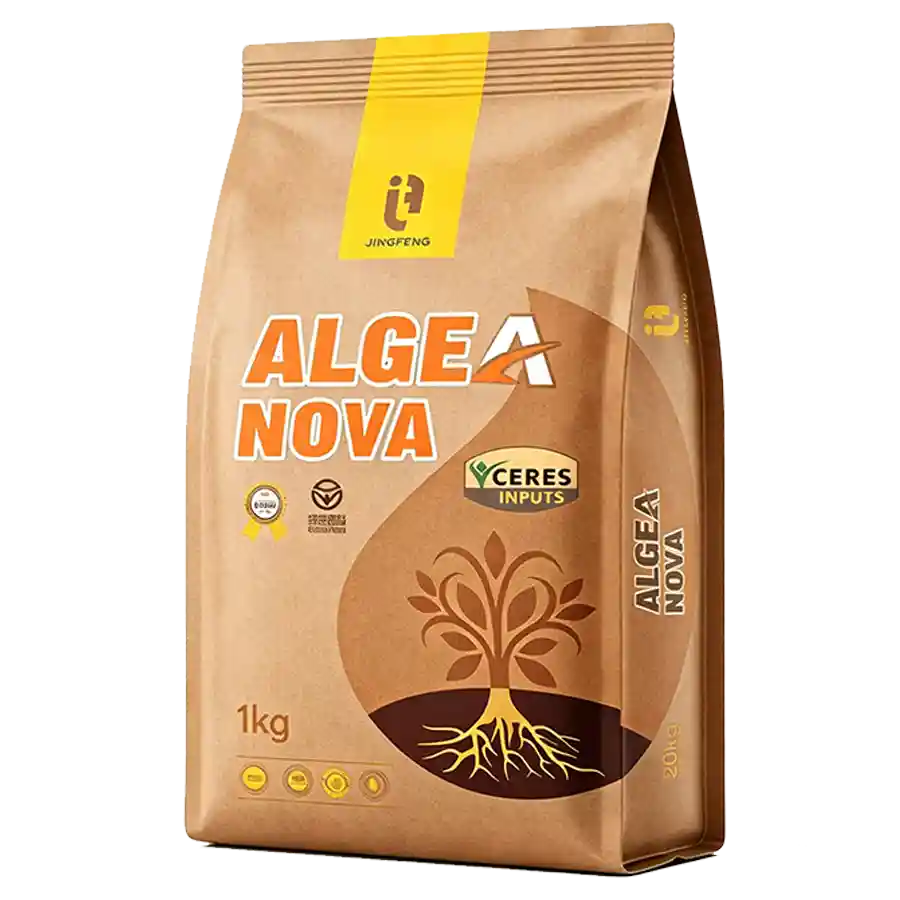
1kg bag
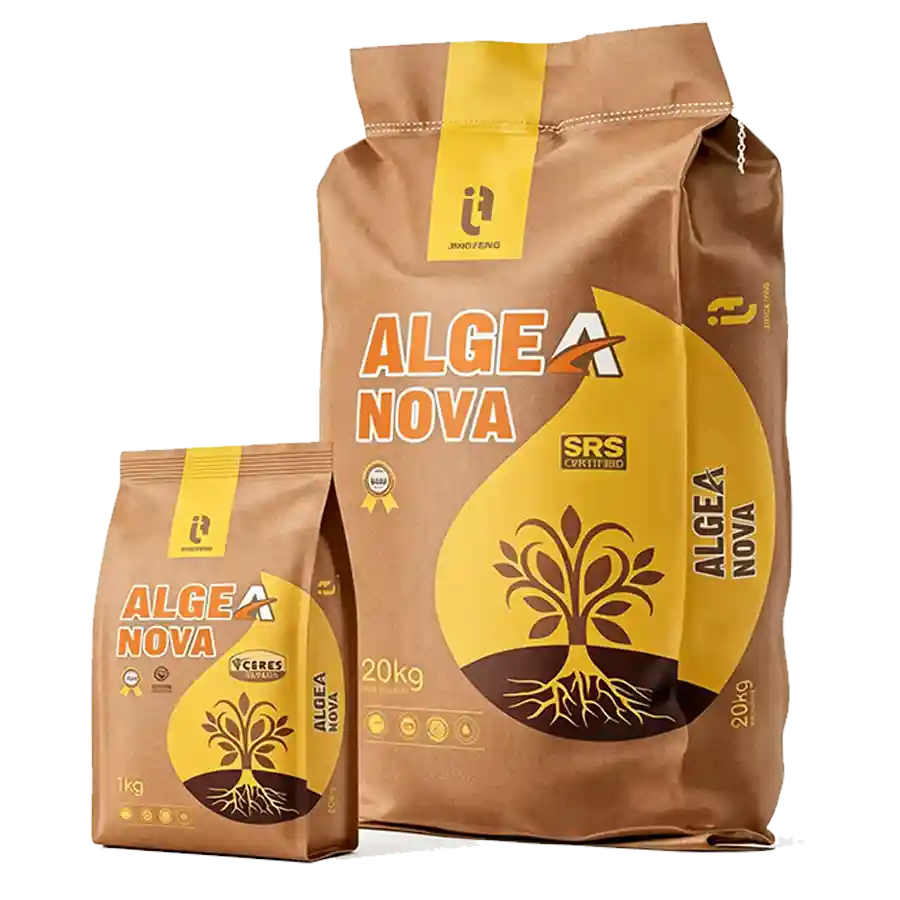
10kg 20kg 25kg bag
jumbo ton bag
We offer a range of standard packaging solutions: 1kg foil bags, 5kg aluminum bags, 10kg / 20kg / 25kg kraft paper bags, and 1 MT / 1.25 MT jumbo bags..Custom packaging services are also available. Our team will provide tailored recommendations based on your specific requirements to ensure proper storage and transportation, maintaining product integrity throughout the process.
Certifications & Compliance
- CERES (Confirmationfor Materials Used in Organic Agriculture)
- REACH (Green chemical innovation, permitted in the EU)
- ISO9001 / ISO14001 / ISO22000
- Heavy Metal Test Report from ISO certified lab
Safety Data Sheet / Technical Data Sheet
- MSDS (Material Safety Data Sheet) — handling, storage, safety, first aid
- TDS (Technical Data Sheet) — full specifications, application methods, compatibility chart
- COA (Certificate of Analysis) — Latest tested batch quality data with HPLC-MS hormone profile
FAQ
1. Q1: What is brown seaweed extract and how is it made?
**Brown seaweed extract** is a powdered biostimulant derived from **Ascophyllum nodosum**—a cold-water brown algae species harvested from the North Atlantic (Iceland, Norway, Canada). The extract is produced through **enzymatic hydrolysis**, a gentle biocatalytic process that breaks down large-molecule alginate and polysaccharides into small-molecule algal oligosaccharides while preserving the integrity of natural plant hormones (cytokinin, gibberellin, auxin), betaines, and mannitols.
Unlike chemical extraction (which uses strong acids or alkalis at high temperature and destroys most bioactive compounds), enzymatic hydrolysis operates at low temperature (40-60°C) and neutral pH (6-7), preserving the full bioactive profile. The result is a 100% water-soluble brown powder containing ≥30% alginate, ≥40% algal oligosaccharides, ≥16% K₂O, and ≥700 ppm natural hormones (CTK/GA/IAA).
2. Q2: Brown seaweed (Ascophyllum nodosum) vs green seaweed (Ulva): which is better for agriculture?
This is the most common selection question in the seaweed biostimulant market. **Brown seaweed (Ascophyllum nodosum)** and **green seaweed (Ulva/Enteromorpha)** differ in three critical ways for agricultural use:
1. **Stress-hormone content**: Cold-water brown algae produce 2-3× more betaines, mannitols, and phenolic cryoprotectants than warm-water green seaweed. These compounds provide plants with built-in stress tolerance—essential for drought, salinity, and cold resistance.
2. **K₂O content**: Brown seaweed extract contains K₂O ≥16%, making it a dual-purpose potassium fertilizer and biostimulant. Green seaweed typically contains K₂O ≤5%, limiting its potassium supply function.
3. **Sourcing cleanliness**: Cold-water North Atlantic waters have lower industrial pollution and heavy metal contamination than many warm-water coastal regions where green seaweed is harvested.
**Selection guidance**:
– **Brown seaweed (Ascophyllum nodosum)** — best for stress tolerance, fruit quality, high-value crops, organic farming, and NPK bulk blending requiring high K
– **Green seaweed (Ulva)** — best for nitrogen-deficient soils, basic vegetative growth, low-cost bulk applications
For most premium agricultural applications—orchards, vineyards, greenhouse vegetables, organic certification programs—**brown seaweed extract is the gold standard**.
3. Q3: Is this seaweed extract suitable for organic farming?
Yes. The enzymatic process introduces no chemical residues—no acid traces, no alkali traces, no organic solvent traces. The product is an OMRI-listed organic seaweed fertilizer and complies with major organic agriculture standards:
– **OMRI Listed** (Organic Materials Review Institute) — included, suitable for organic farming in North America
– **CERES Organic Certification** (held by JINGFENG, included)
– **ECOCERT** (available on request for EU organic markets)
– **JAS** (available on request for Japanese organic markets)
Heavy metal content falls well below EU 2019/1009 fertilizer regulation limits: Cd <0.5 mg/kg, Pb <5 mg/kg, Hg <0.1 mg/kg, As <2 mg/kg, Cr <50 mg/kg.
4. Q4: Can this seaweed extract be tank-mixed with calcium nitrate?
**Not recommended for direct tank mixing.** Alginate in the product can react with Ca²⁺ to form insoluble calcium alginate gel, reducing the efficacy of both products and potentially clogging drip emitters.
If both are needed, apply separately with at least 3-5 days interval. Alternatively, use chelated calcium (EDTA-Ca, amino acid-chelated Ca) instead of calcium nitrate for better compatibility.
5. Q5: What is the recommended seaweed extract application rate for tomatoes?
For drip-irrigated greenhouse tomatoes:
– Foliar: 0.5 g/L (5 g per 10 L water), 7-10 day intervals throughout the growing season
– Fertigation: 1-2 g/L (1-2 kg per 1000 L water), at flowering, fruit set, and bulking stages
– Total seasonal application: 8-12 kg/ha
For field tomatoes:
– Foliar: 0.5-1 g/L, 14-21 day intervals
– Base application: 5-10 kg/ha mixed with NPK before transplanting
Apply early morning or late afternoon to avoid leaf burn. **Total seasonal application should not exceed 15 kg/ha to avoid excessive vegetative growth at the expense of fruit set.**
6. Q6: What is the shelf life and how should seaweed extract powder be stored?
24 months when stored in original sealed packaging in a cool, dry, and well-ventilated warehouse (5-30°C, relative humidity ≤60%). The shorter shelf life compared to humic products (36 months) is due to natural hormone stability—cytokinins and gibberellins gradually degrade over time, even in dry powder form.
After opening, reseal the bag tightly to prevent moisture absorption. The product is mildly hygroscopic (caking threshold >12% moisture). Avoid direct sunlight and heavy pressure. Keep away from strong acids, strong alkalis, and oxidizing agents.
7. Q7: Do you offer OEM/ODM services for seaweed extract?
Yes. We customize brown seaweed extract powder to your specifications:
– **Hormone ratio**: Adjust CTK/GA/IAA balance (standard 1:1:1, customizable to 2:1:1 or 1:2:1 for specific crop needs)
– **K₂O content**: 10-20% range (standard ≥16%)
– **Alginate content**: 20-50% range (standard ≥30%)
– **Oligosaccharide content**: 30-50% range (standard ≥40%)
– **Color**: Light brown to dark brown (customizable)
– **Packaging**: Custom bags, private label, multi-language labels
**Minimum order quantity for OEM: 1 MT. Lead time: 15-25 days after artwork confirmation.** We support both pure OEM (your brand only) and technical endorsement (JINGFENG + your brand).
8. Q8: How do you ensure batch-to-batch consistency in seaweed extract production?
Every production batch undergoes in-house QC testing:
– Full technical index panel (16 parameters including alginate, oligosaccharides, K₂O, hormones)
– HPLC-MS hormone profile (CTK/GA/IAA ratio verification)
– Heavy metal panel (Cd, Pb, Hg, As, Cr)
– Microbial panel (total plate count, coliforms, yeast/mold)
– Solubility and dissolution rate test
COA is issued per batch with traceable batch numbers. **Random third-party audits are conducted by SGS / Bureau Veritas / TÜV on a quarterly basis.** Batch-to-batch variation for key parameters (alginate, oligosaccharides, K₂O) is maintained within ±3%.
9. Q9: What is the lead time for a 20ft FCL order of seaweed extract?
For stock specifications (Type I standard, K₂O ≥16%, oligosaccharides ≥40%), 7-10 days after order confirmation. For custom specifications (customized hormone ratio, packaging), 15-25 days.
**Shipping time depends on destination port — typically 25-40 days by sea to most major ports.** Air shipping available for urgent orders (3-7 days).
20ft FCL loads approximately 12-14 MT (depending on packaging): 1kg bags × 12,000 / 25kg bags × 480 / jumbo bags × 12.
10. Q10: Can I get a free seaweed extract sample before placing a bulk order?
Yes. We provide 500g-1kg free samples of brown seaweed extract powder for distributor evaluation and field trial. **Shipping cost is borne by the receiver (DHL/FedEx, 3-7 days worldwide).**
Contact us via the COA / Sample Request button on this page with your full address, intended application (crop type, soil type, application method), and any specific customization requirements. Sample shipments include a full COA and TDS, plus optional 1-on-1 technical consultation with our agronomy team.
11. Q11: Seaweed extract vs humic acid — which should I use?
| Dimension | Seaweed Extract (Biostimulant) | Humic Acid (Soil Amendment) |
|---|---|---|
| Primary function | Plant biostimulant — bioactive compounds, hormones, stress tolerance | Soil conditioner — improves soil structure, CEC, water retention |
| Source | Cold-water Ascophyllum nodosum (brown algae) | Leonardite / weathered coal |
| K₂O content | ≥16% | Variable (typically 8-12%) |
| Application rate | 2-10 kg/ha | 5-30 kg/ha |
| Best for | Foliar, fertigation, high-value crops, organic farming, stress mitigation | Soil application, soil reclamation, base fertilizer |

graeme@humate-cn.com
008618920222224
8618920222224
8618920222224