


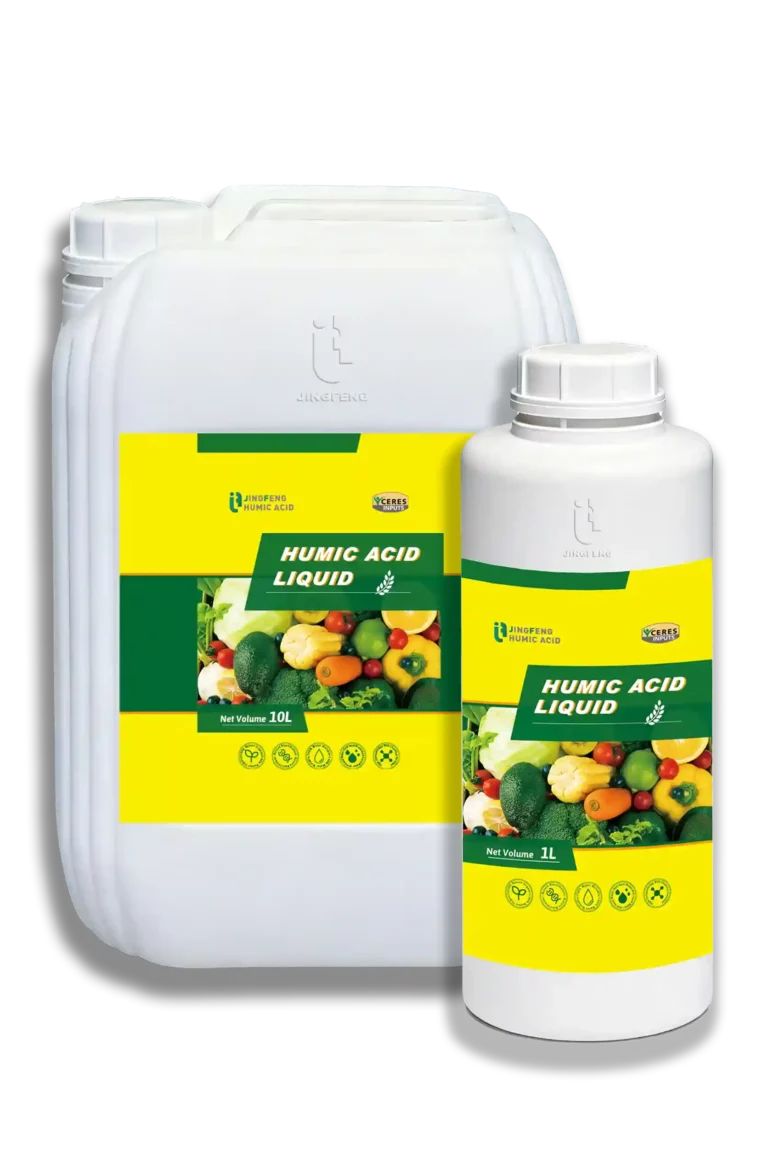
A high-concentration, bioactive amino acid liquid fertilizer crafted via enzymatic hydrolysis — designed to deliver efficient nutrient supply and support crop growth, with a bright yellow golden appearance for easy identification.
Send Inquiry Download TDS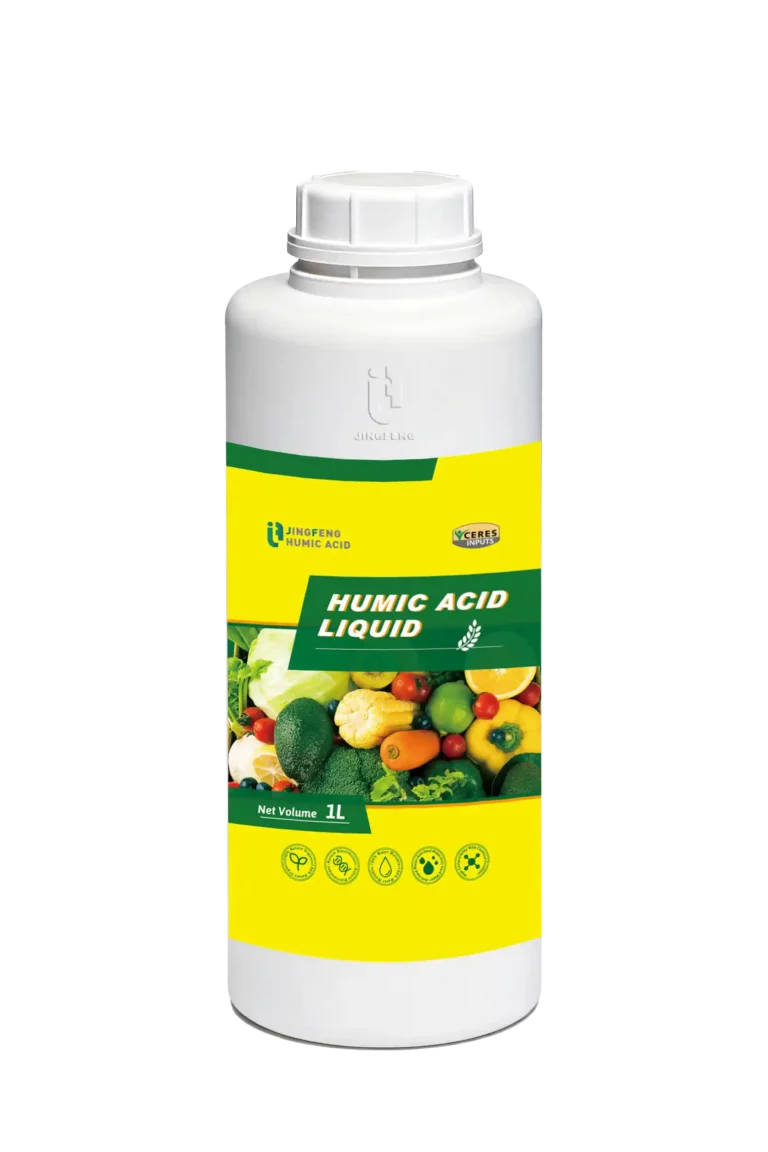
Product Overview
A high-concentration, bioactive amino acid liquid fertilizer crafted via enzymatic hydrolysis, designed to deliver efficient nutrient supply and support crop growth.
- Superior Process: Enzymatic hydrolysis ensures high amino acid bioavailability, making nutrients easier for crops to absorb.
- High Concentration: Total amino acid ≥500 g/L (50% w/v), balanced peptides (45–48%) and free amino acids (2–3%).
- Stable Performance: pH 4–6 (acidic, compatible with most crops), density 1.15 — easy to dilute and apply.
- Efficient Nitrogen Supply: 7.5% organic nitrogen released gently, avoiding nitrogen burn while fueling leaf and fruit development.
- Dual Nutrient Release: Free amino acids provide quick boosts; peptides release slowly for long-term growth.
- Wide Compatibility: Works for fruits, vegetables, grains, and cash crops — foliar, drip, or drenching.
Technical Details
| Parameter | Specification |
|---|---|
| Appearance | Yellow golden liquid |
| Total Amino Acid | ≥500 g/L (50% w/v) |
| Free Amino Acid | ≥2 – 3% |
| Peptides | 45 – 48% |
| Organic Nitrogen | ≥7.5% |
| pH | 4 – 6 |
| Density | 1.15 g/cm³ |
* Typical specifications; actual values are stated on the batch Certificate of Analysis (COA) provided with each shipment.
Recommended Applications
Application Scope
Agricultural Crops
Field crops: wheat, rice, corn, soybeans — strengthen roots and seedlings at seedling stage; improve lodging resistance and grain weight at filling stage.
Vegetables
Open-field and greenhouse vegetables including tomatoes, cucumbers, peppers, lettuce, and broccoli (compatible with drip/sprinkler systems).
Fruit Trees
Pome fruits (apple, pear), stone fruits (peach, cherry), citrus, grapes, berries, and tropical & subtropical fruits — enhance sweetness, coloration, and reduce deformed fruits.
Other Scenarios: Hydroponics, substrate cultivation, lawn & landscape greening, seed treatment, nursery production, and flower farming.
Recommended Dosage & Application Methods
| Method | Key Operation Points | Applicable Scenarios |
|---|---|---|
| Foliar Spraying | Dilute 1:800–1000 (1L + 800–1000L water); 300–450L/ha. Spray both leaf sides; avoid >30°C and alkaline pesticides. | Weak seedlings, flowering, fruit expansion |
| Hydroponic | Dilute 1:1500–2000; add 2–3L per 100L nutrient solution. Keep pH 5.5–6.5, replace every 7–10 days. | Leafy greens & herbs |
| Soil Drenching | Dilute 1:400–500 for saline-alkali soil; lowers soil pH slightly, improves root absorption. | Saline-alkali / poor soils |
Packaging & Storage
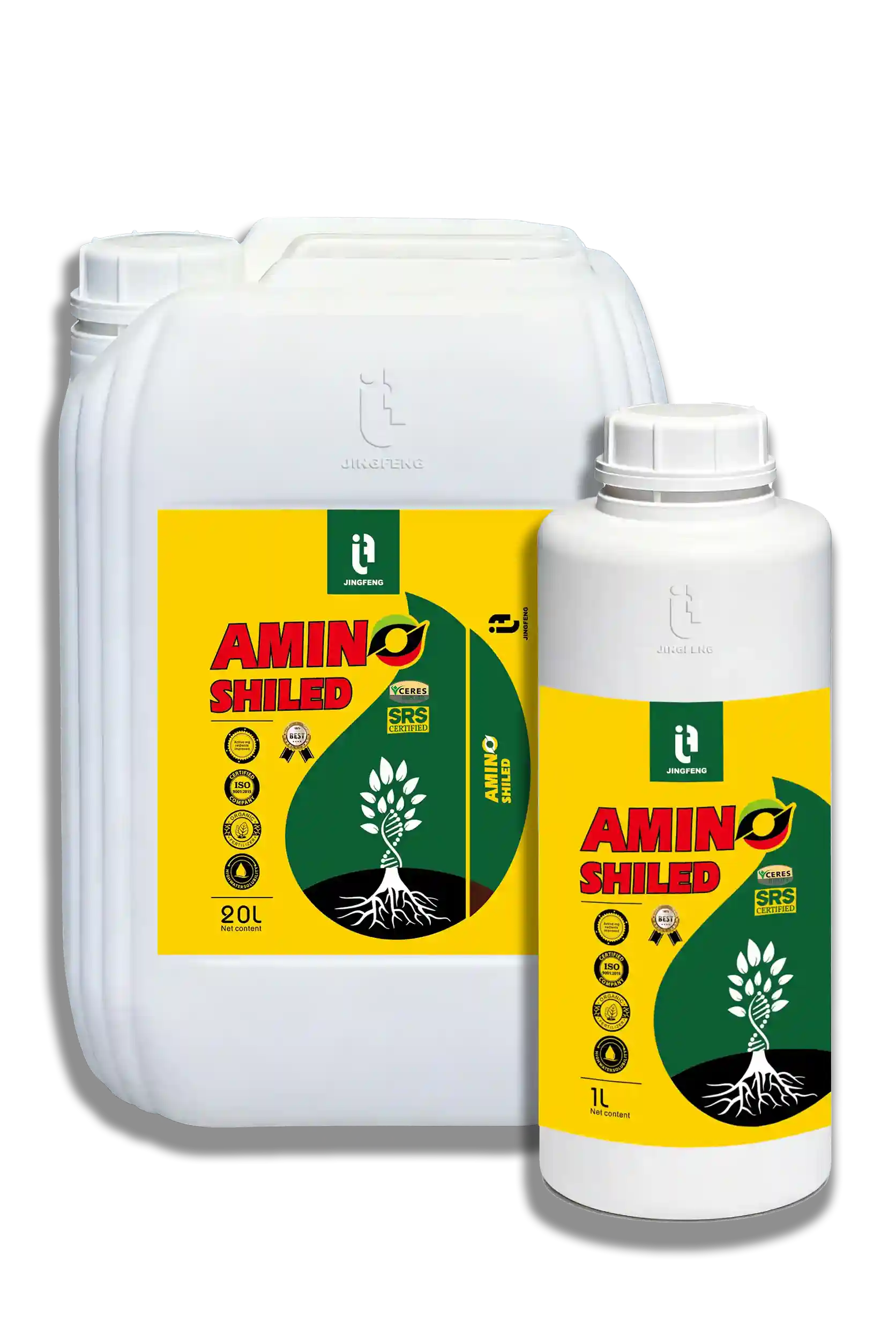
We offer standard packaging: 1L, 5L, 10L, 20L containers and IBC tanks. Custom packaging is available on request.
1L bottle
Retail & trial use.
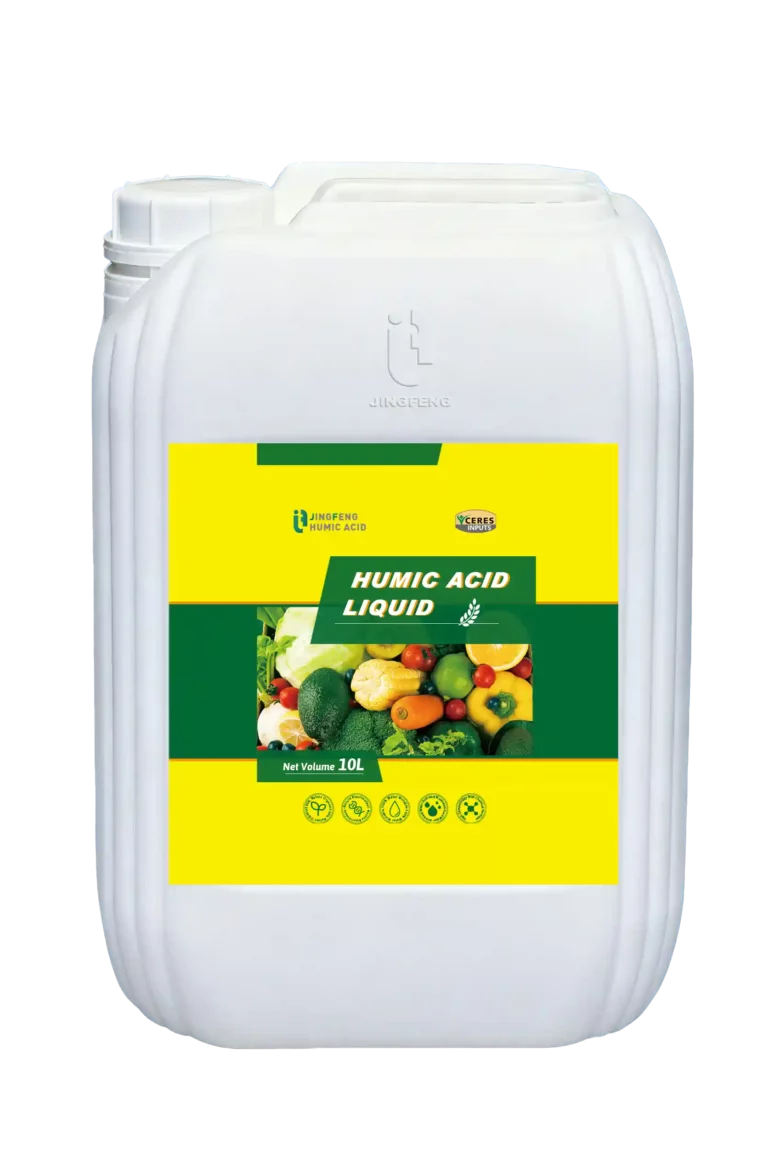
10L / 20L bucket
Farm & distributor.
1000 L IBC tank
Bulk / industrial.
Certifications & Compliance
- CERES — Confirmation for Materials Used in Organic Agriculture
- REACH — Green chemical innovation, permitted in the EU
- ISO 9001 / ISO 14001 / ISO 22000 certified
- Heavy Metal Test Report from ISO certified lab
Safety Data Sheet / Technical Data Sheet
Successful Cases
Citrus Quality & Yield
“Hongmeiren” citrus: foliar spray 1:800, 3× (20-day intervals) post-blossom. Chlorophyll +20.6–22.6%; soluble solids +1.3°; acid −0.2°. Yield +15.2%/mu; premium fruit ratio 62% → 85%.
Hydroponic Lettuce
1:2000 dilution replaces 25% inorganic N in nutrient solution. Vitamin C +22%; nitrate −18% (meets EU organic). Root activity +35%; root rot rate −40%.
Wheat Stress Resistance
Foliar spray 1:800, 300L/ha at jointing-booting stage (Henan, drought). Yield +8.2% (431 kg/ha); nitrogen use efficiency +15%. Leaf water content ≥75% vs 62% in control under drought.
Liquid Amino Acid FAQ
1. What is liquid amino acid fertilizer?
A liquid fertilizer with amino acids (500 g/L) as the core, made via enzymatic hydrolysis. It is absorbed directly by crops (no conversion needed) to supplement nutrients and boost stress resistance.
2. Which crops is it suitable for?
Nearly all crops: fruits (citrus, grapes), vegetables (tomatoes, lettuce), field crops (wheat, corn), and hydroponic plants (spinach, herbs).
3. What’s the recommended dilution ratio for foliar spraying?
For most crops, dilute 1:800–1000 (1L product + 800–1000L water). Avoid high concentrations to prevent leaf burn.
4. Can it be used in hydroponic systems?
Yes. Dilute 1:1500–2000 and add to the hydroponic nutrient solution. It helps maintain pH 5.5–6.5 and reduces nitrate levels in crops.
5. How long does it take to see results?
Foliar spraying shows effects in 1–3 days (e.g., greener leaves for weak seedlings); long-term effects (yield/quality) take 2–4 weeks.
6. Can it be mixed with other fertilizers/pesticides?
Mix with most water-soluble fertilizers (nitrogen, phosphorus) but avoid alkaline products (pH>8, like Bordeaux mixture) — they break down amino acids.
7. Is it suitable for organic farming?
Yes, if made via natural enzymatic hydrolysis (plant/animal sources). It is degradable, residue-free, and meets organic certification standards.
8. What if it precipitates in low temperatures?
Slight sediment below 5°C is normal. Let it stand at room temperature and shake well — it won’t affect efficacy.
9. Can it be used in saline-alkali soil?
Yes. Dilute 1:400–500 for soil drenching; it helps lower soil pH slightly and improves crop root absorption in saline conditions.
10. What happens if I use too much?
Overuse (undiluted or under-diluted) may cause leaf-edge scorching (foliar) or root damage (soil/hydroponic). Follow the dilution ratio strictly.
graeme@humate-cn.com
008618920222224
8618920222224
8618920222224