Humic Acid vs Fulvic Acid vs Potassium Humate: Buyer’s Guide
Key Takeaways
- Humic acid = the high-MW fraction; builds soil structure and CEC.
- Fulvic acid = the low-MW fraction; chelates nutrients and aids uptake.
- Potassium humate = potassium salt concentrating *both* fractions plus soluble K — the practical, easy-to-apply form.
- Choose by job: soil/structure → humate; foliar/nutrient efficiency → fulvic-rich; all-round → potassium humate.
—
Quick Comparison
| Attribute | Humic Acid | Fulvic Acid | Potassium Humate |
|---|---|---|---|
| Molecular weight | High | Low | High + low (both fractions) |
| Solubility | Often partial | Fully soluble | 100% water-soluble |
| Main job | Soil structure, CEC | Nutrient chelation, uptake | Combined soil + plant action |
| Typical use | Soil amendment, broadcast | Foliar, fertigation | Foliar, drip, seed, hydroponics |
| Potassium content | None | None | Yes (soluble K) |
What Is Humic Acid?
Humic acid is the larger, darker fraction of humic substances. It improves soil aggregation, water retention, and cation exchange capacity (CEC) — the soil’s ability to hold nutrients. It works slowly, building the soil rather than feeding the leaf directly.
What Is Fulvic Acid?
Fulvic acid is the smaller, lighter fraction. Its low molecular weight lets it chelate minerals and move into plants readily, improving nutrient use efficiency. It is the “delivery” fraction — powerful but usually supplied in smaller, more concentrated doses.
What Is Potassium Humate?
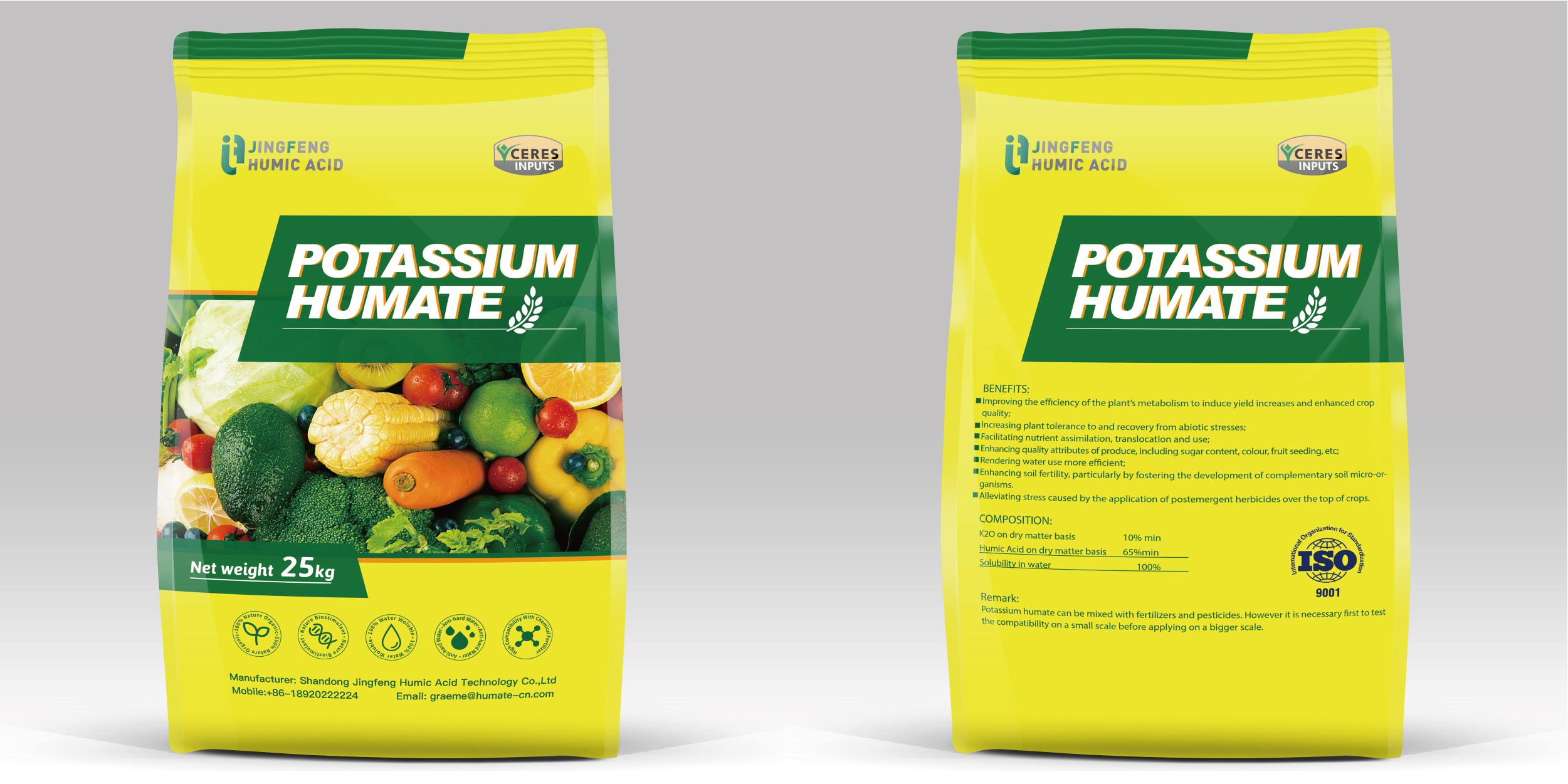
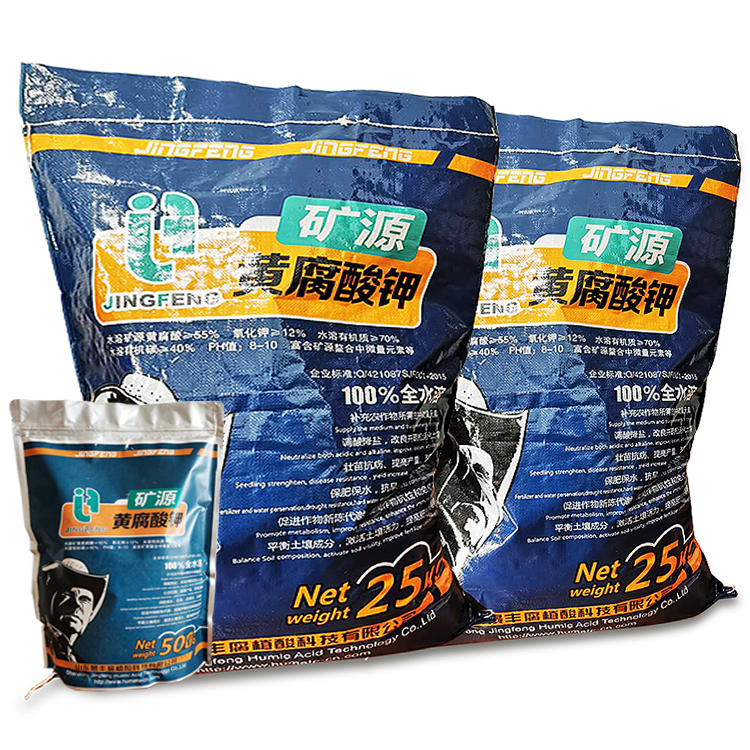
Potassium humate is the potassium salt of humic substances, concentrating both the humic and fulvic fractions and binding them to soluble potassium. Our Mineral Source Potassium Fulvate Flakes II delivers 65–70% humic acid, ≥20% fulvic acid, 100% solubility — a single input that covers soil and plant needs and dissolves cleanly for irrigation.
Which Should You Buy? (Decision by Use Case)
- Building tired, sandy or clay soil → potassium humate (high CEC, water-locking)
- Boosting nutrient uptake in fertigation/hydroponics → fulvic-rich or potassium humate (both soluble)
- Foliar efficiency on a tight schedule → fulvic-forward grade
- One product for soil + crop → potassium humate (the all-rounder)
Note: our standalone Flakes II is formulated for direct application; if you need a fertilizer/pesticide-compatible blend, ask for our complementary humic-fulvic fertilizer grade.
Explore the Product
- Product page: Mineral Source Potassium Fulvate Flakes II
- Spec decoder: Potassium Humate Specifications Explained
- Application guide: How to Use Humic Acid on Plants
FAQ
Q1. Can I just buy “humic acid” and skip potassium humate?
You can, but potassium humate packages both fractions plus soluble K in a 100% soluble form — usually simpler to apply and more complete for fertigation.
Q2. Is fulvic acid better than humic acid?
Neither is “better” — they do different jobs. Fulvic excels at uptake; humic at soil structure. Potassium humate gives you both.
Q3. Why does solubility matter between the three?
Fulvic and potassium humate are fully water-soluble (ideal for drip/foliar). Raw humic acid is often only partly soluble, better for soil broadcast.
Q4. Which is best for hydroponics?
A 100% soluble, fulvic-containing product — potassium humate — avoids line clogging and still delivers the humic benefit.
Final Word
Don’t pick by the loudest label — pick by the job: structure, uptake, or both. For most B2B buyers, a high-spec, fully soluble potassium humate covers the most ground.