Molten-Process Humic Acid Urea is a high-efficiency, eco-friendly compound fertilizer that integrates humic acid (HA) with urea via advanced molten-state technology. Unlike traditional blended/coated types, it achieves…
Send Inquiry Download TDS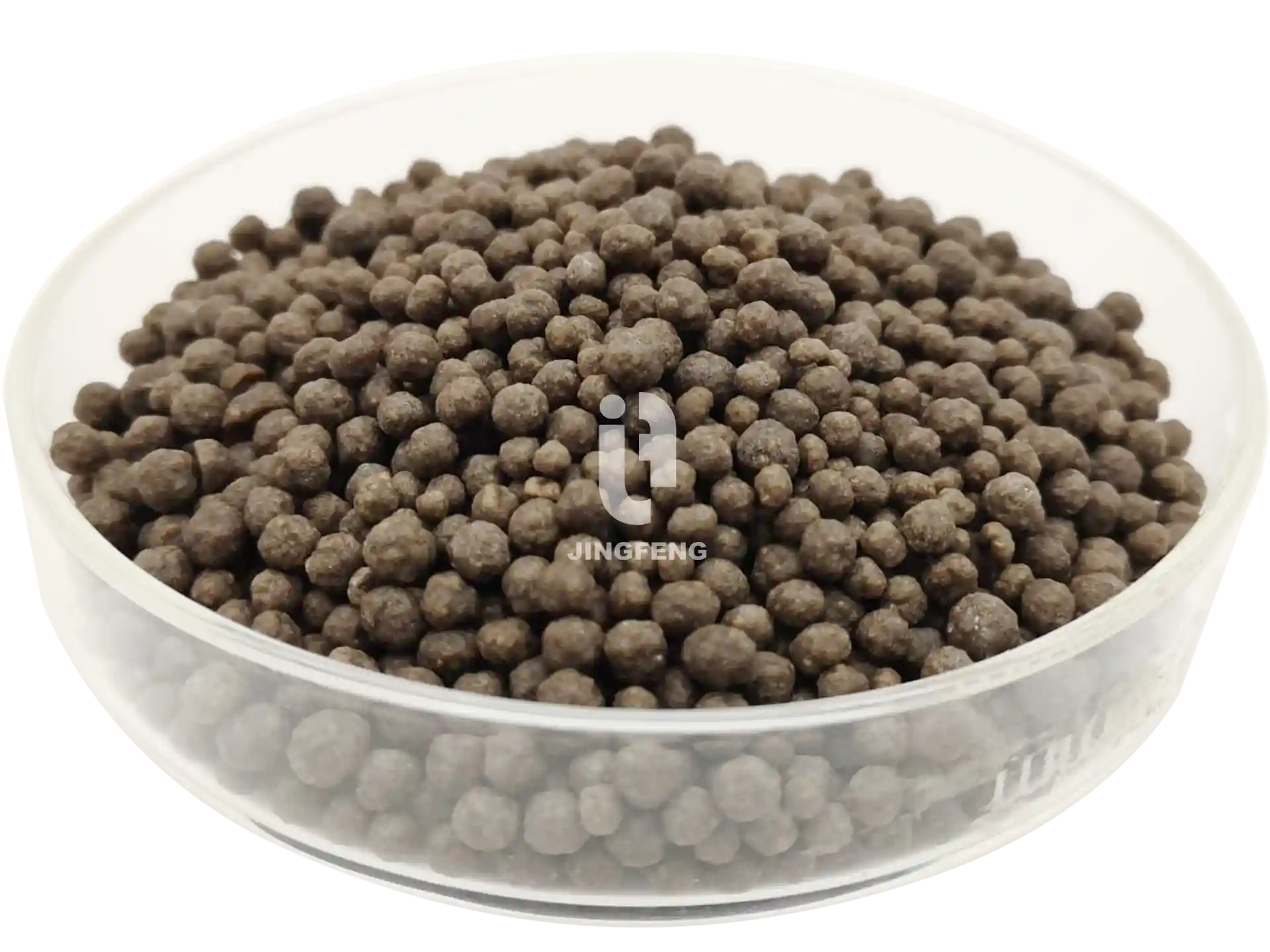
Product Overview
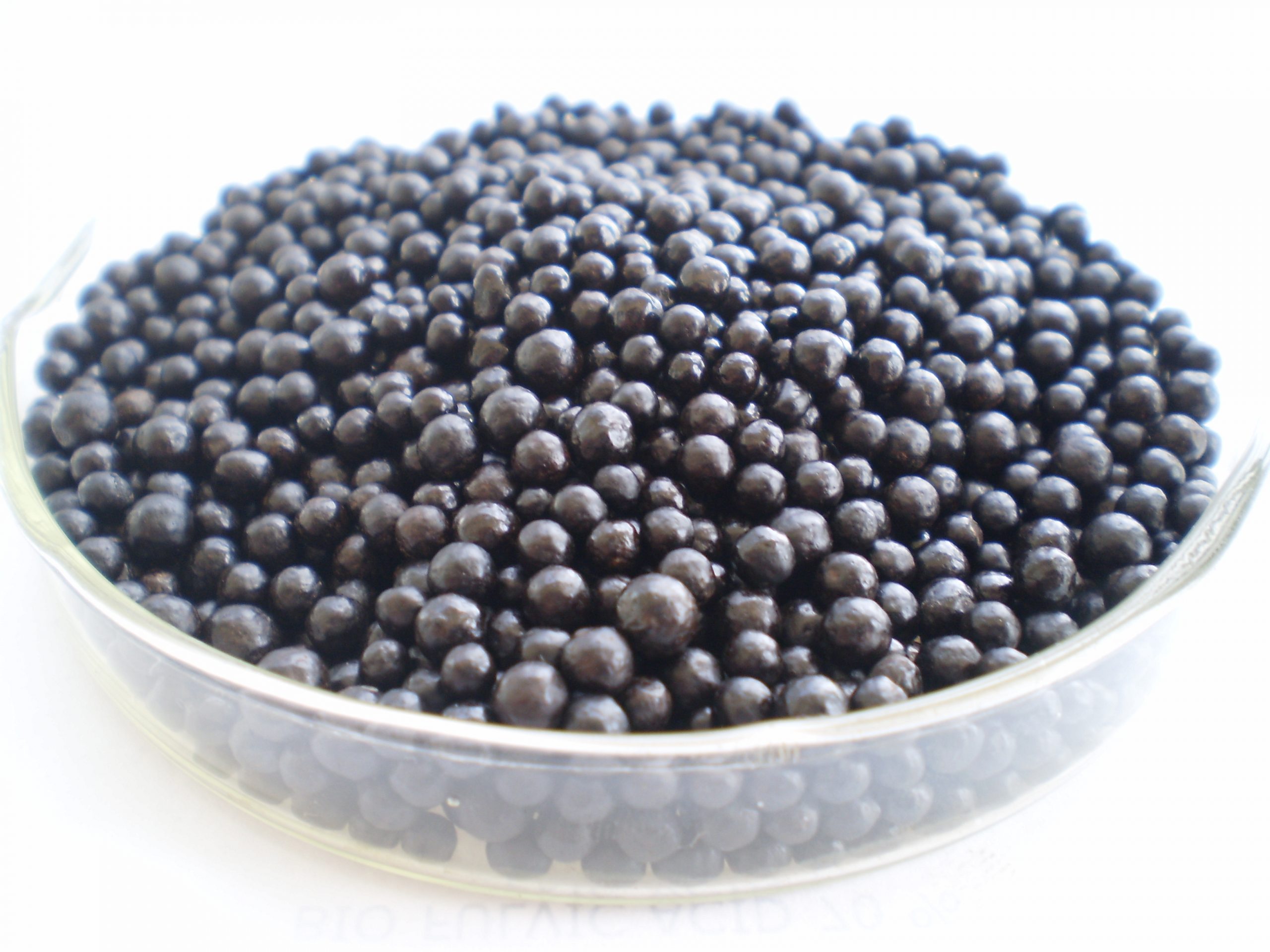
Molten-Process Humic Acid Urea is a high-efficiency, eco-friendly compound fertilizer that integrates humic acid (HA) with urea via advanced molten-state technology. Unlike traditional blended/coated types, it achieves uniform HA dispersion in the urea matrix, ensuring superior stability, nutrient synergy, and performance—ideal for modern precision and sustainable agriculture.Core Manufacturing Process
Urea is melted at 132-138℃, then mixed with activated HA (mineral-based) and optional trace elements. High-speed mixing, granulation, and low-temperature curing produce uniform, dust-free granules with tight HA-urea combination, avoiding nutrient segregation. The process preserves HA activity, optimizes nitrogen release, and forms a “slow-release + synergistic absorption” mechanism.Technical Details
* 1is the test methods, GB/T33804-2025 / ISO 19822 / HPTA / AAPFCO / IHSS Analysis method
| Product Name | Humic acid Urea |
| Product Code | JFHA-HCU |
| Humic Acid (Dry basis)* 1 | 1.2‰ |
| N (Dry basis) | 46% |
| Water solubility | 100% |
| Particle size | 1-2mm / 2-4mm |
| Moisture | <1% |
Recommended Applications
Agricultural Crops
Vegetables
Fruit Trees
Application Scope
*Other Scenarios: Hydroponics, substrate cultivation, lawn & landscape greening, seed treatment, nursery production, and flower farming.
Recommended Application Methods
Recommended Dosage
Dosages may vary slightly based on soil properties, crop varieties, and local climate conditions. Adjustments are recommended according to actual field conditions.| Application Method | Operation Steps | Advantages | Recommended Scenarios |
|---|---|---|---|
| Basal Application | Apply 70-80% of total dosage before sowing/transplanting; mix evenly with soil. | Long-term nutrient supply; improves soil conditions from early growth stage. | All crops, especially grain and cash crops. |
| Topdressing | Apply 20-30% of total dosage at key growth stages (e.g., jointing, flowering); avoid direct contact with roots. | Targeted nutrient supplement; adapts to crop growth needs. | Grain crops, vegetables, fruits. |
| Fertigation | Dissolve in water (1:500-1:1000 dilution) and apply via drip/sprinkler irrigation. | Uniform nutrient distribution; high absorption efficiency; water-saving. | Greenhouse vegetables, fruits, large-scale cash crops. |
| Seed Dressing | Mix 2-3kg of product with 100kg of seeds (add small amount of water to adhere); air-dry before sowing. | Promotes seed germination and seedling rooting; enhances seedling vigor. | Wheat, corn, soybean, cotton. |
| Crop Category | Total Recommended Dosage | Application Method/Split Details |
|---|---|---|
| Grain Crops | 20-30kg/acre | Basal: 15-20kg + Topdressing: 5-10kg (applied at key growth stages like jointing/heading) |
| Cash Crops | 25-35kg/acre | Split into 2-3 applications (suitable for sowing, flowering, and fruiting/seed-setting stages) |
| Fruits | 30-50kg/acre/year | Basal: 20-30kg (autumn/winter) + Topdressing: 10-20kg (split at budding and fruiting stages) |
| Vegetables | 25-40kg/acre | Split into 3-4 applications; extra splits recommended for long-growing-period varieties |
Packaging & Storage
1kg bag
10kg 20kg 25kg bag
Jumbo ton bag
We offer a range of standard packaging solutions: 1kg, 5kg, 10kg, 20kg, 25kg bags,and 1ton jumbo bags. Custom packaging services are also available. Our team will provide tailored recommendations based on your specific requirements to ensure proper storage and transportation, maintaining product integrity throughout the process.
Certifications & Compliance
- ISO9001 / ISO14001 / ISO22000
- Heavy Metal Test Report from ISO certified lab
Safety Data Sheet / Technical Data Sheet
- MSDS (Humic acid urea material safety data sheet)
- TDS (Humic acid urea material safety data sheet)
Successful Cases
 Case
Case1. Grain Crops
Corn (Maize) Case 1: Field Trial in Shanxi Province (2018) Results: Compared with conventional urea, yield increased by 14.34% (from 9.83 t/hm² to 11.24 t/hm²) with a 20% reduction in nitrogen application. Source: Ran Bin et al. (2018). Effects of New Humic Acid Urea on Corn Yield, Nutrient Accumulation and Utilization. Journal of Henan Agricultural Sciences, 47(12):28-33. https://www.hnnykx.org.cn/CN/abstract/abstract7999.shtml Case 2: Large-Scale Application in Xinjiang (2022-2023) Results: Farmer Zhang’s 500-mu (≈33.3 hectares) corn field achieved a 17.3% yield increase and 25% improved soil water retention, generating additional income of RMB 320 per mu (1 mu ≈ 0.067 hectares). Source: Wei Yongfu et al. (2023). Study on Nitrogen Absorption and Yield-Increasing Effect of Different Humic Acid Urea on Corn. Century Chinese Publishing House. https://www.ccnpub.com/wzde–75358 Wheat Case 1: Yuzhou City, Henan Province (May 2024) Results: Li Hongchao’s wheat field saw a 9.78% yield increase, with fertilizer use reduced by 10 kg/mu and nitrogen loss decreased by 40%. Source: Henan Economic Network Report. https://www.hnjjbs.com/article/2025-05/174830612217829.html Case 2: Wheat-Maize Rotation System (2015-2017) Results: Humic acid urea increased wheat yield by 15-28% and corn yield by 8-10%, while improving soil organic matter content by 12%. Source: Liu Yanli et al. (2016). Effects of Activated Humic Acid-Urea Application on Nitrogen Use Efficiency and Its Controlling Factors in Wheat-Maize Rotation Soil. Chinese Journal of Eco-Agriculture, 24(10):1310-1319. https://ecoagri.ac.cn/article/doi/10.13930/j.cnki.cjea.160258
 Case
Case2. Cash Crops
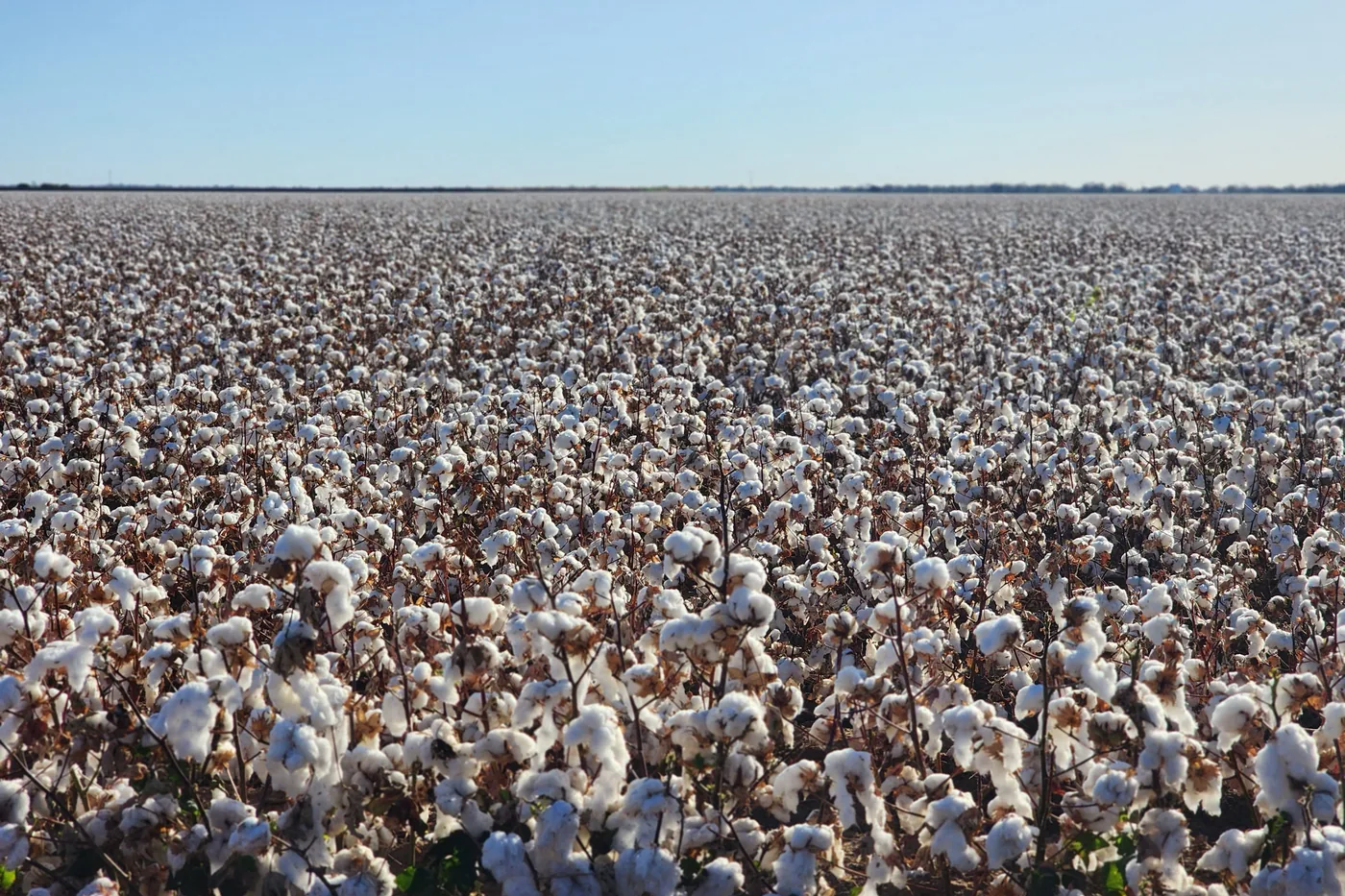
Cotton Case: Xinjiang Cotton Fields (2023) Results: “Jinhe” brand humic acid urea (by Inner Mongolia Jinhe Agricultural Technology) increased cotton yield by 12.5% with 30% less irrigation water. The product now covers 43% of cotton fields in Xinjiang, Gansu, and Ningxia. Source: Xinjiang Agricultural Science and Technology (Issue 5, 2023). https://www.xjnykj.com/CN/abstract/abstract3247.shtml Sugarcane Case: Guangxi Province (2023) Results: Humic acid urea improved sugarcane germination rate by 25.51%, effective stalk number by 2,670 plants/hm², and yield by 29.72%. Source: Guangxi Academy of Agricultural Sciences (2023). Research on the Application of Biochemical Humic Acid Fertilizer in Sugarcane Production. https://m.sohu.com/a/879090000_122001006/
 Case
Case3. Fruits
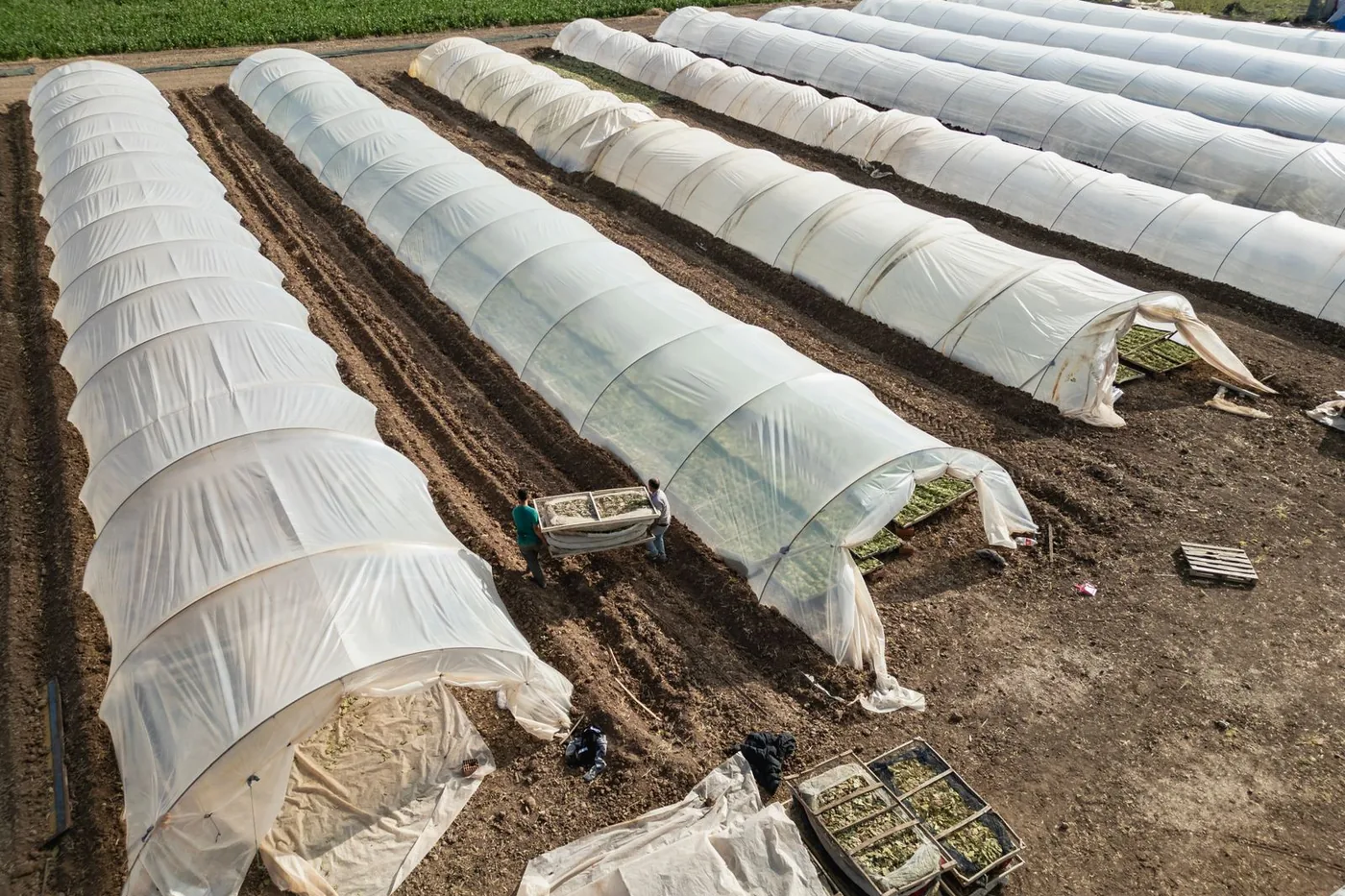
Grapes Case 1: Grape Vineyard in Hunan Province (2024) Results: Application during the flowering stage increased bud emergence rate by 15%, root length by 20%, ripening time shortened by 5 days, commercial fruit rate improved by 12%, and additional income of RMB 8,000 per mu. Source: Grape Cultivation Technology Newsletter (Issue 2, 2024). https://www.putaozx.com/CN/abstract/abstract1234.shtml Case 2: Grape Vineyard in Shandong Province (2023) Results: Application before the rainy season reduced post-rain fruit rot from 15% to 5%, sugar content increased by 1.8 Brix, and shelf life extended by 7 days. Source: Shandong Fruits (Issue 4, 2023). https://www.sdguoshu.com/CN/abstract/abstract2345.shtml Apples Case: 300-Mu Apple Orchard in Liaoning Province (2023) Results: Basal application in autumn + topdressing in spring improved fruit size by one grade, reduced bitter pit disease by 40%, increased yield by 12%, and reduced nitrogen fertilizer use by 15%. Source: Northern Fruits (Issue 3, 2023). https://www.bfguoshu.com/CN/abstract/abstract3456.shtml
 Case
Case4. Vegetables
Tomatoes Case: Greenhouse Cultivation in Shandong Province (2023) Results: Application of 30 kg/mu (split into 4 doses) increased tomato yield by 14%, fruit firmness by 15%, shelf life extended by 5 days, and soil-borne diseases reduced by 35%. Source: China Vegetables (Issue 10, 2023). https://www.zgsc.org.cn/CN/abstract/abstract4567.shtml Leafy Vegetables (Shanghai Pakchoi) Case: Shanghai Pakchoi Cultivation (2023) Results: Foliar application of humic acid urea increased yield from 35,190 kg/hm² to 39,142 kg/hm² (11.2% increase), with net income increased by RMB 10,507 per hectare. Source: Shanghai Agricultural Science and Technology (Issue 6, 2023). https://www.shnykj.com/CN/abstract/abstract5678.shtml
Case5. Special Application Scenarios
Saline-Alkaline Soil Improvement Case: 1,000-Mu Saline-Alkaline Land Reclamation in Northeast China (2020-2023) Results: Continuous application for 3 years reduced soil pH from 8.9 to 7.8, organic matter content increased from 0.8% to 1.5%, transforming wasteland into productive farmland with a corn yield of 5.5 t/hm². Source: Acta Pedologica Sinica (Issue 5, 2023). https://www.turangtongbao.com/CN/abstract/abstract6789.shtml Drought Resistance Application Case: Arid Areas in Gansu Province (2022) Results: Humic acid urea improved soil water retention by 40%, allowing crops to survive 15 days without irrigation, and potato yield increased by 25% during drought periods. Source: Agricultural Research in the Arid Areas (Issue 4, 2022). https://www.ghdznyj.com/CN/abstract/abstract7890.shtml
FAQ
1. Where does the humic acid in Humic Acid Urea come from, and what is its core function?
2. How does it differ from conventional urea?
3. What are the main types of Humic Acid Urea?
- Coated Humic Acid Urea (HA film on urea surface, slow-release focus);
- Non-coated Humic Acid Urea (HA uniformly mixed with urea, including molten-process and blended types, cost-effective and versatile).
4. Why is molten-process Humic Acid Urea recommended?
5. Is Humic Acid Urea safe for crops and soil?
6. How does it compare with controlled-release urea (CRU)?
- It not only controls nitrogen release but also improves soil quality (CRU focuses only on nutrient slow release);
- Lower cost than most CRUs;
- Better compatibility with other fertilizers/pesticides;
- Suitable for more soil types (especially degraded soils).