The raw materials of 12% seaweed extract are kelp and brown alga. After processed by Physical crushing, biochemical extraction, absorption concentration, film drying, etc, the seaweed is finally made to flake or…
Send Inquiry Download TDS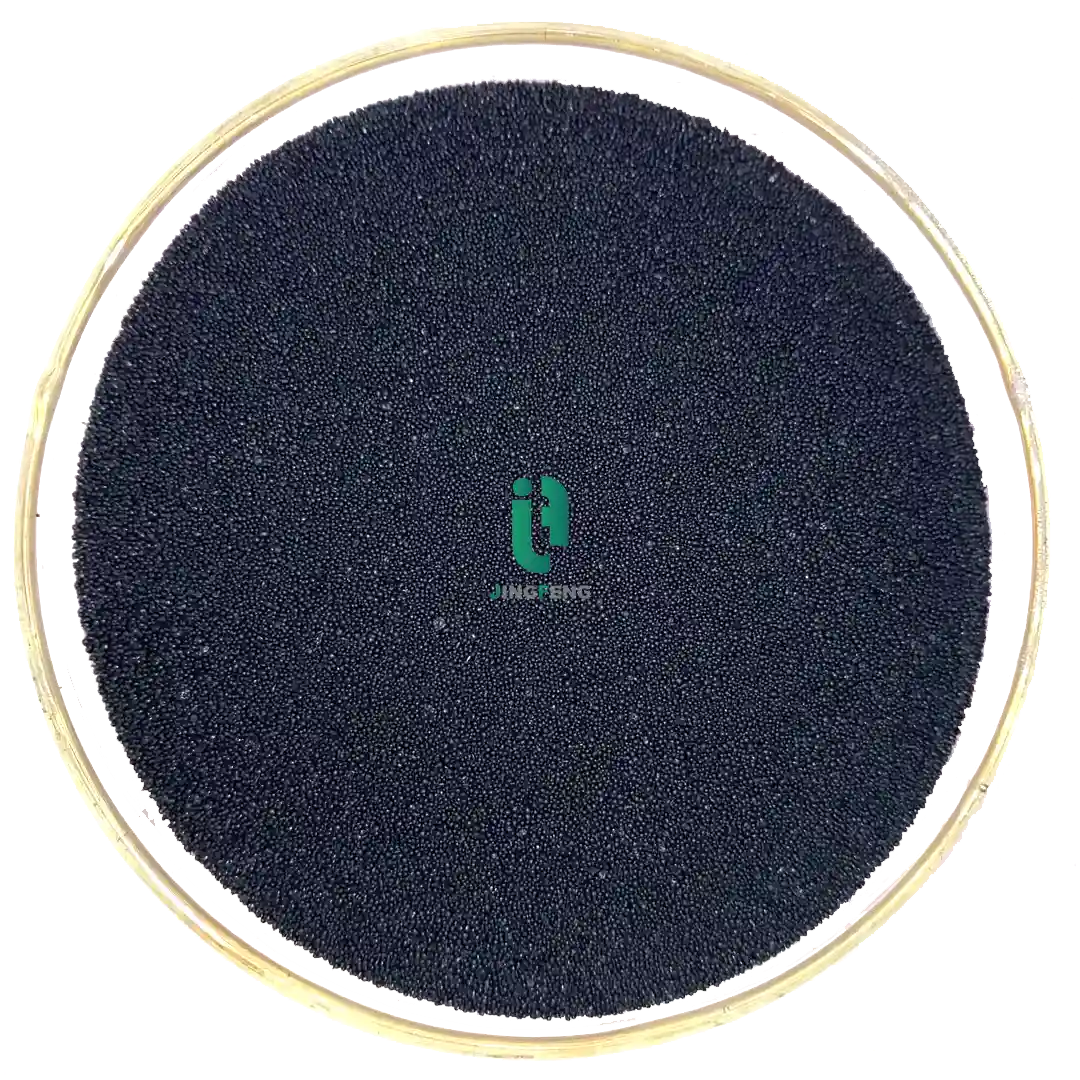
Product Overview
The raw materials of 12% seaweed extract are kelp and brown alga. After processed by Physical crushing, biochemical extraction, absorption concentration, film drying, etc, the seaweed is finally made to flake or powder.
Theseaweed extracthas special quality, quick dissolution rate, high activity and good absorptivity. It has many functions including growth promoting, production increase, disease prevention, insect expelling, etc. Seaweed extract can be used for root irrigation, water flushing irrigation, foliar spray, etc. It can also be used as raw materials for biological fertilizer, compound fertilizer, organic fertilizer, etc.
More kinds of seaweed extract:14%-16%,18%,20%.
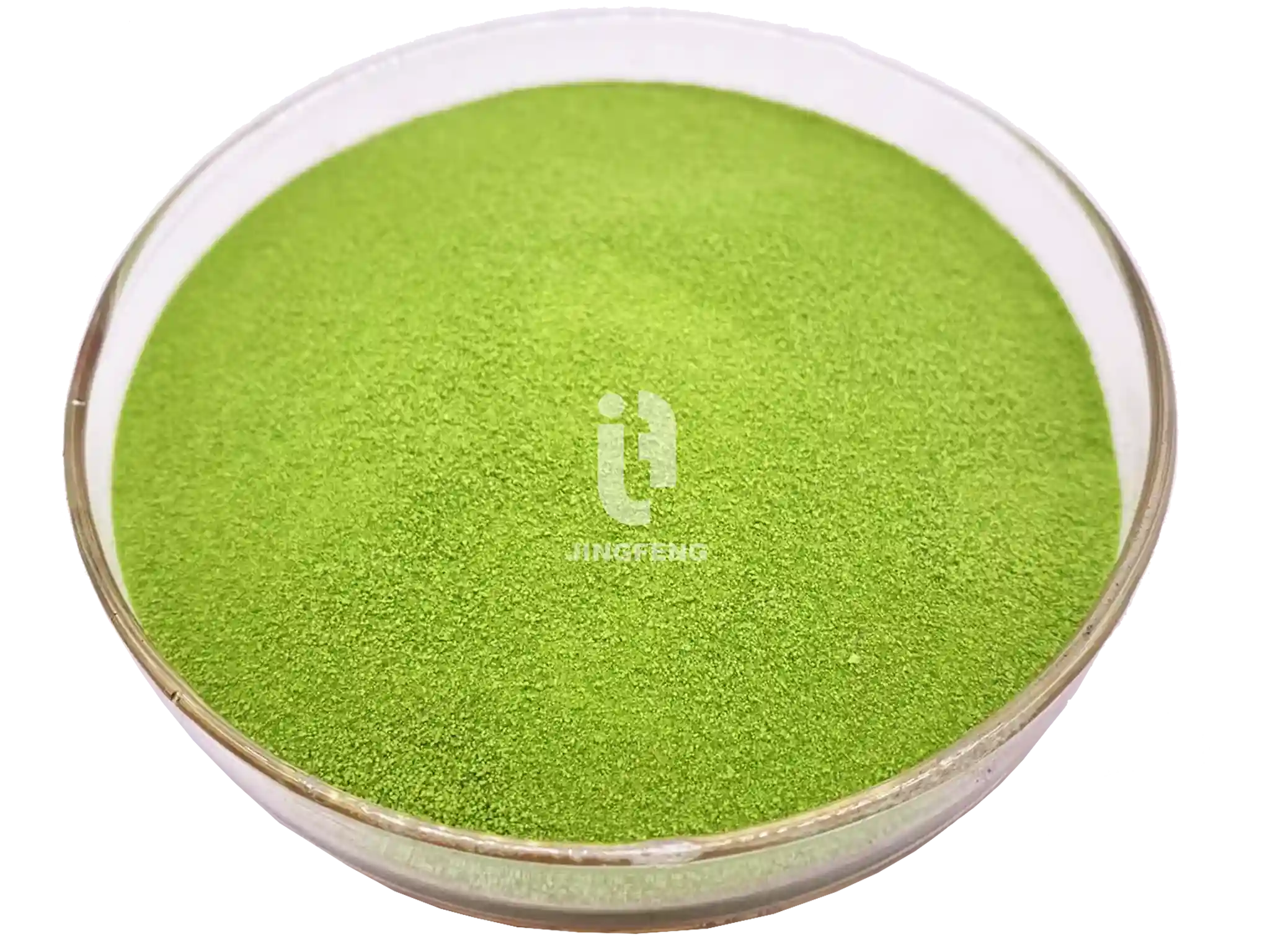
Seaweed Extract Micro Granule
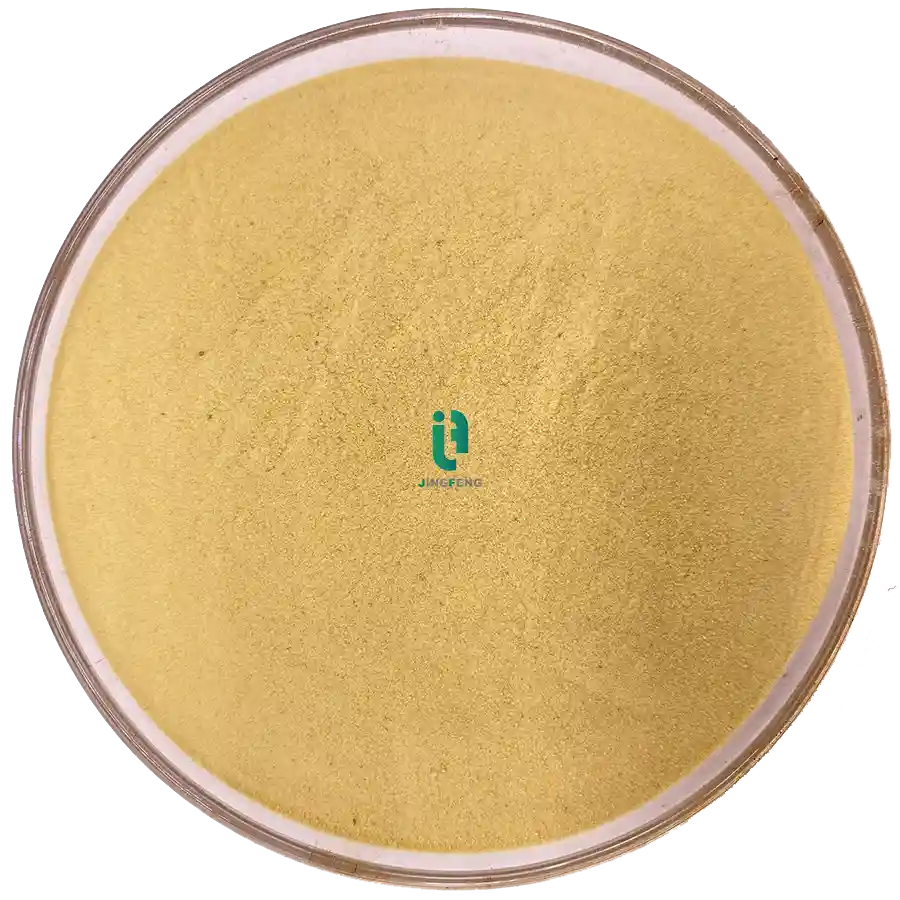
Seaweed Extract Flakes
Technical Details
* 1is the test methods, NY/T 2266 – 2012 Analysis method
| Appearance | Black flakes/Micro granule |
| Product code | JFHA-SE-4-F/P |
| Alginic acid1 | ≥12% w/w |
| Algal oligosaccharides | ≥25% w/w |
| Mannitol | ≥3% w/w |
| pH | 9-11 |
| K2O | ≥10% w/w |
| Amino acid | ≥2% w/w |
Recommended Applications
Agricultural Crops
Vegetables
Fruit Trees
Application Scope
*Other Scenarios: Hydroponics, substrate cultivation, lawn & landscape greening, seed treatment, nursery production, and flower farming.
Recommended Dosage & Application Methods
Dosages may vary slightly based on soil properties, crop varieties, and local climate conditions. Adjustments are recommended according to actual field conditions.Application Area | Recommended Dosage | Application Methods |
Agricultural – Soil Application | 1 – 2 liters/acre (general soil), 2 – 3 liters/acre (poor soil), diluted 1:200 – 1:300 with water | Apply with watering can or sprayer on soil surface before sowing/transplanting; incorporate during tillage |
Agricultural – Foliar Spray | 0.5 – 1 liter of solution (diluted 1:300 – 1:500) per 1000 sq ft of foliage area | Use fine – mist sprayer on both leaf surfaces in early morning or late afternoon, repeat every 7 – 14 days |
Horticultural – Potted Plants (Small – Medium) | 5 – 10 ml in 1 – 2 liters of water | Water plants with diluted solution once every 2 – 3 weeks at plant base |
Horticultural – Potted Plants (Large) | 10 – 15 ml in 2 – 3 liters of water | Water plants with diluted solution once every 2 – 3 weeks at plant base |
Horticultural – Greenhouse Cultivation | 1.5 – 2.5 liters per 100 sq m, diluted 1:250 – 1:400 with water | Use automated irrigation or handheld sprayer; apply to soil in soil – based systems, add to nutrient solution in hydroponics |
Packaging & Storage
1kg bag
10kg 20kg 25kg bag
Jumbo ton bag
We offer a range of standard packaging solutions: 1kg, 5kg, 10kg, 20kg, 25kg bags,and 1ton jumbo bags.Custom packaging services are also available. Our team will provide tailored recommendations based on your specific requirements to ensure proper storage and transportation, maintaining product integrity throughout the process.
Certifications & Compliance
- CERES (Confirmationfor Materials Used in Organic Agriculture) certificate with NOP and EU organic standard
- REACH (Green chemical innovation, permitted in the EU)
- ISO9001 / ISO14001 / ISO22000
- Heavy Metal Test Report from ISO certified lab
Safety Data Sheet / Technical Data Sheet
- MSDS (12% Seaweed Extract Fertilizer material safety data sheet)
- TDS (12% Seaweed Extract Fertilizer technical data sheet)
Successful Cases
 Case
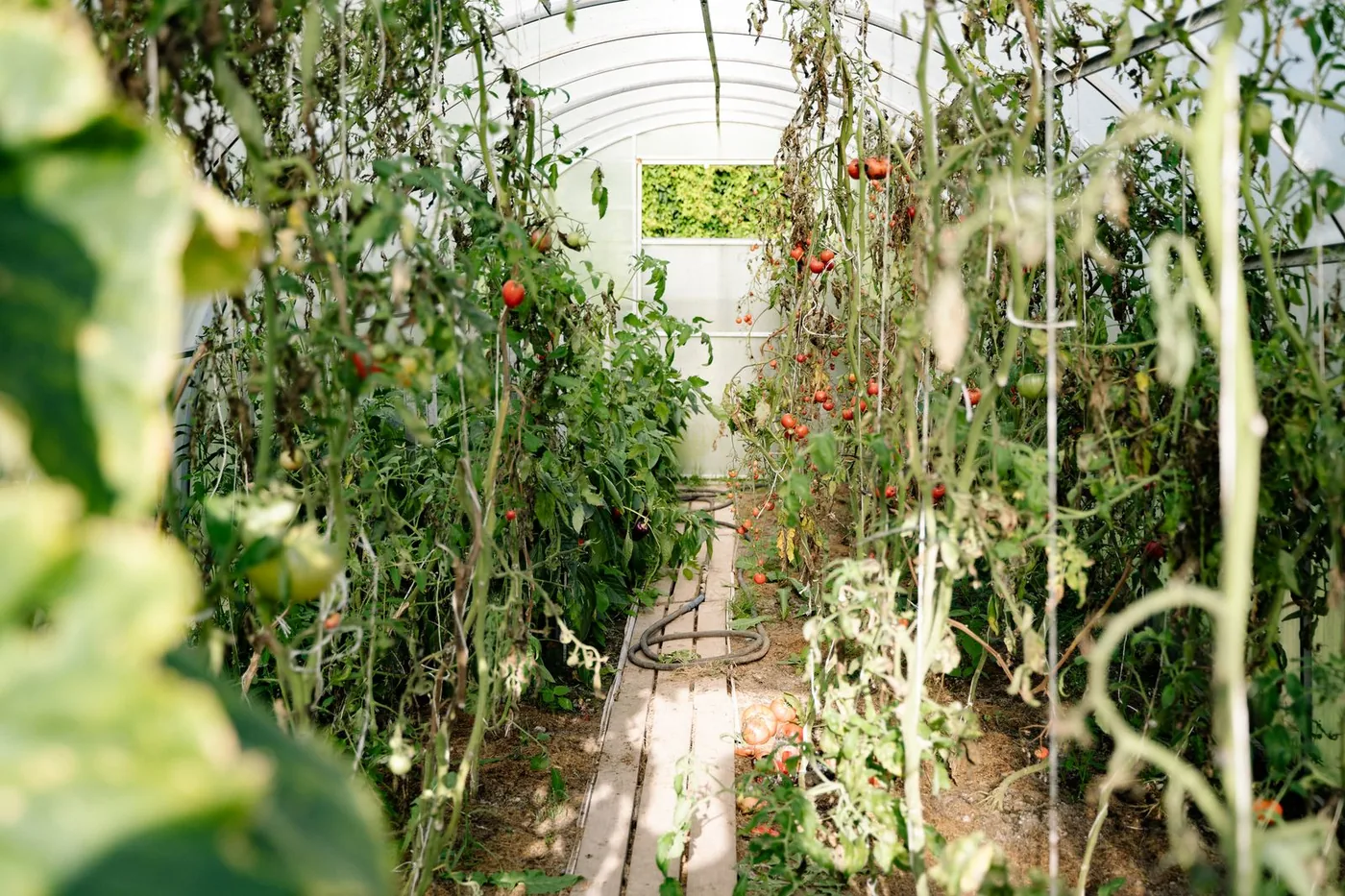
Case 1: Tomato Yield and Quality Improvement on a Commercial Farm
Farm Background Case Name: Case of 12% Seaweed Extract Fertilizer Improving Tomato Yield and Quality at Sunshine Farm Time: Planting season in 2022 Person in Charge: [Name: Li Ming] Position: Agronomy Supervisor of Sunshine Farm [Sunshine Farm] is a commercial tomato – growing farm covering 50 acres in [Beijing]. The soil in this area was initially of medium fertility, with challenges in maintaining consistent moisture and nutrient availability for optimal tomato growth. Application of 12% Seaweed Extract Fertilizer Soil Application: At the beginning of the planting season, the farm applied the 12% seaweed extract fertilizer at a rate of 1.5 liters per acre. The fertilizer was diluted with water at a ratio of 1:250. This diluted solution was evenly distributed across the soil surface using a tractor – mounted sprayer before transplanting the tomato seedlings. Foliar Spray: During the vegetative and flowering stages, a foliar spray was carried out. The 12% seaweed extract fertilizer was diluted at a ratio of 1:400 with water. Approximately 0.8 liters of the diluted solution was applied per 1000 square feet of tomato foliage area every 10 days. Results Yield Increase: Compared to the previous season when a traditional fertilizer was used, the tomato yield increased by 25%. The average yield per acre rose from 30 tons to 37.5 tons. The increase was attributed to enhanced root development, which allowed the plants to access more nutrients and water from the soil. The seaweed extract also improved the plants' resistance to stress, enabling them to better withstand temperature fluctuations and occasional drought conditions. Quality Enhancement: The tomatoes had a more intense color, better firmness, and a sweeter taste. The market price of the tomatoes increased by 15% due to their improved quality. The seaweed extract – treated tomatoes also had a longer shelf – life, reducing post – harvest losses.
 Case
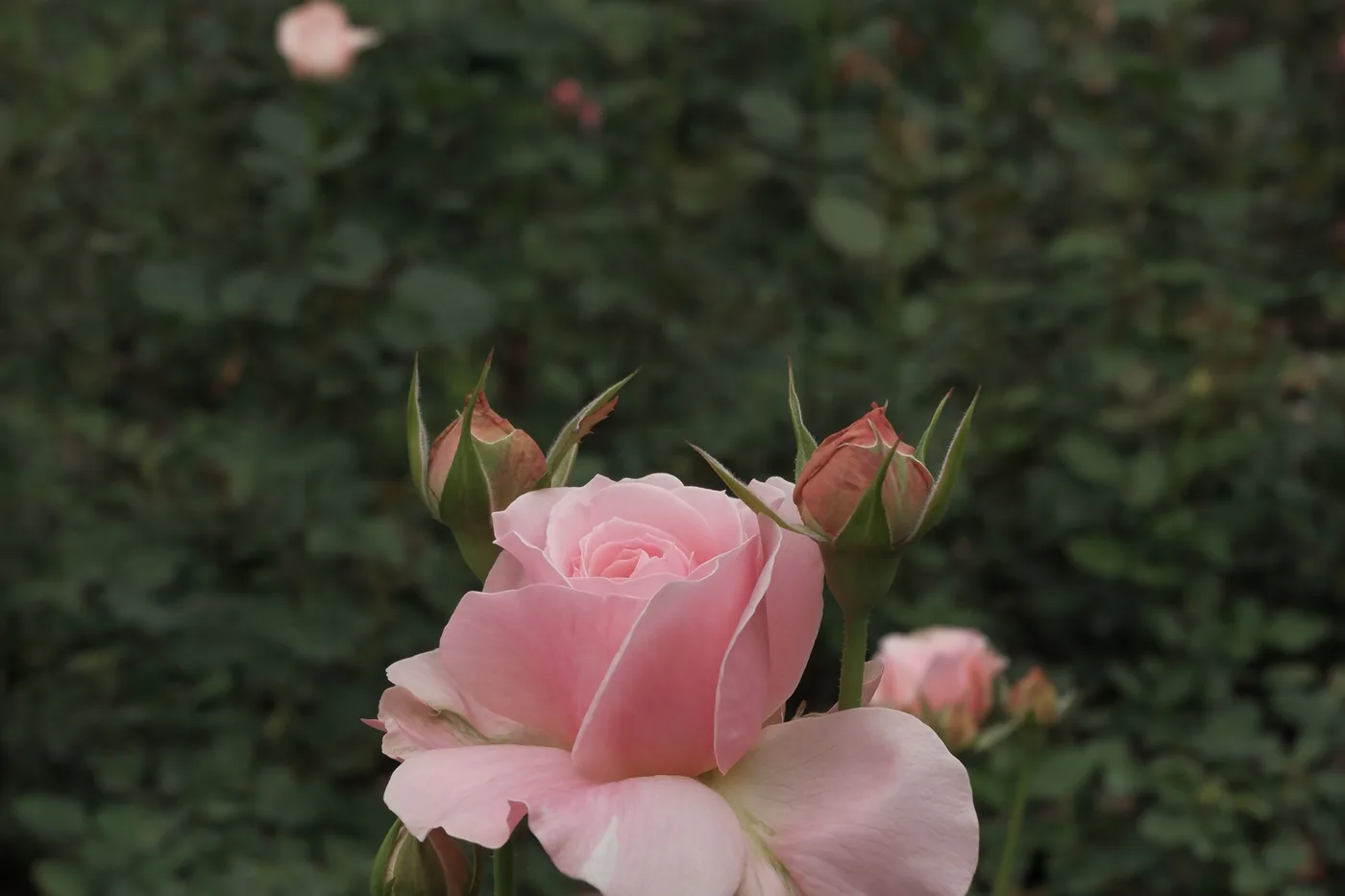
Case 2: Rose Growth and Flowering in a Horticultural Nursery
Nursery Background Case Name: Case of 12% Seaweed Extract Fertilizer Promoting Rose Growth and Flowering at Starlight Horticultural Nursery Time: The whole year of 2023 Person in Charge: [Name: Wang Li] Position: Technical Director of Starlight Horticultural Nursery [Starlight] specializes in cultivating roses for cut – flower production. The nursery has a controlled – environment greenhouse covering 10,000 square feet. Maintaining the health and beauty of the roses, especially in terms of flower size, color, and stem strength, is crucial for their market competitiveness. Application of 12% Seaweed Extract Fertilizer Potted Plant Application: For potted roses, 8 ml of the 12% seaweed extract fertilizer was mixed with 1.5 liters of water for small – to – medium – sized pots (8 – 12 inches in diameter). This solution was used to water the roses once every two weeks. Greenhouse – wide Application: In the greenhouse, 2 liters of the 12% seaweed extract fertilizer per 100 square meters were diluted with water at a ratio of 1:300. This diluted solution was applied through an automated irrigation system once a month. Results Growth Promotion: The roses treated with the seaweed extract fertilizer showed more vigorous growth. The stems were 20% longer and 15% thicker on average compared to those not treated with the seaweed – based fertilizer. The plants also had more abundant foliage, creating a fuller and more attractive appearance. Flowering Improvement: The number of flowers per plant increased by 30%. The flowers were larger, with a diameter increase of about 15%. The color of the roses was more vivid, and the fragrance was more intense. These improvements led to a 20% increase in the nursery's revenue as the higher – quality roses commanded a better price in the cut – flower market.
 Case
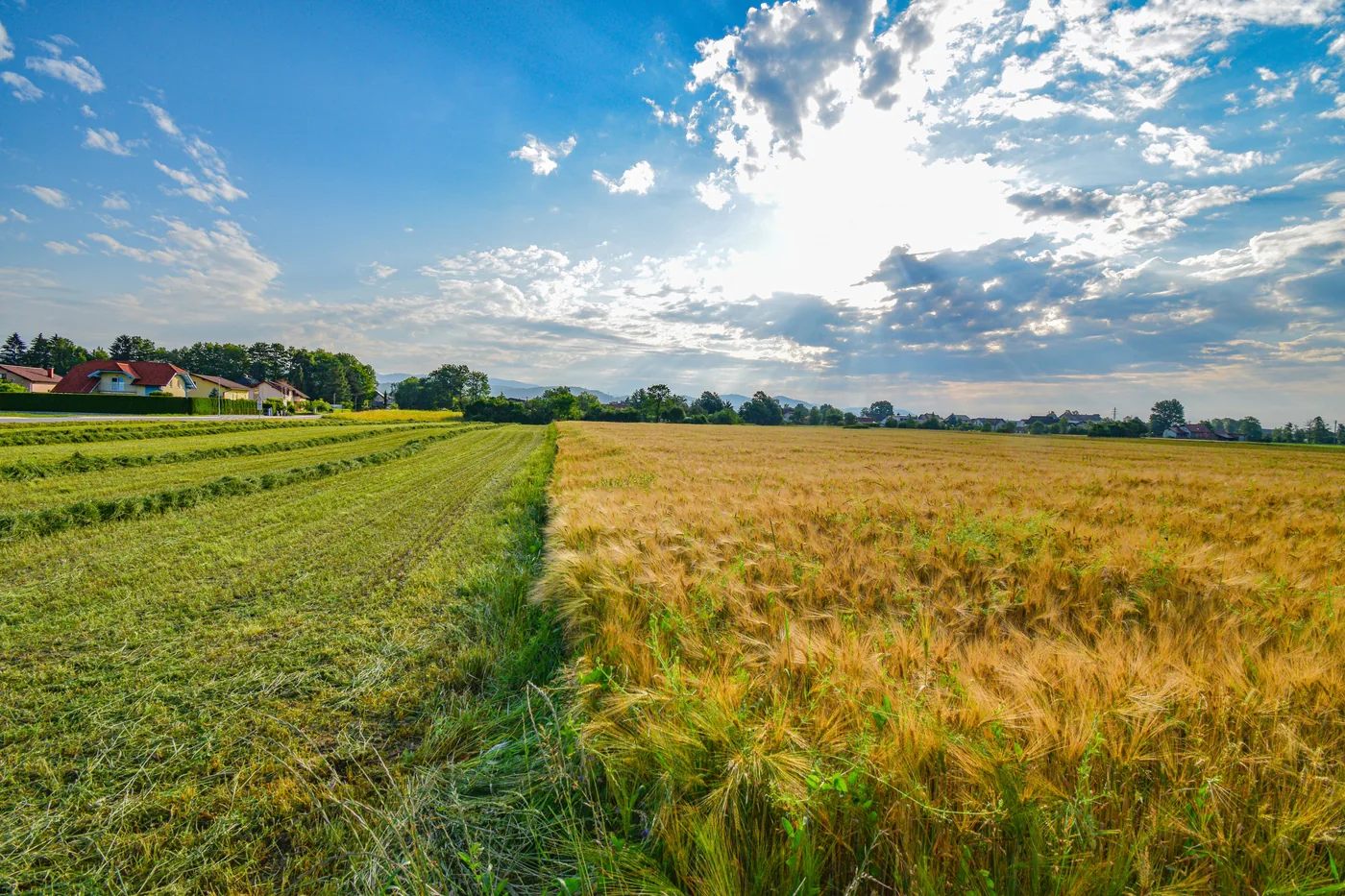
Case 3: Wheat Crop Resilience and Yield in a Large – scale Agricultural Field
Field Background Case Name: Case of 12% Seaweed Extract Fertilizer Enhancing Wheat Stress Resistance and Yield on Bountiful Plain Time: Planting cycle from 2021 – 2022 Person in Charge: [Name: Zhang Feng] Position: Technical Advisor of Fengyuan Agricultural Cooperative A large – scale wheat – growing field in [Fengyuan] covers 500 acres. The area is prone to occasional pest attacks and waterlogging during the rainy season, which often affects wheat growth and yield. Application of 12% Seaweed Extract Fertilizer Soil Drench: Prior to sowing, 2 liters of the 12% seaweed extract fertilizer per acre were diluted with water at a ratio of 1:200. This solution was used to drench the soil, ensuring that the nutrients penetrated deep into the root zone. Foliar Application during Growth Stages: During the tillering and heading stages, a foliar spray of the 12% seaweed extract fertilizer, diluted at a ratio of 1:350 with water, was applied. Approximately 1 liter of the diluted solution was used per 1000 square feet of wheat field area. Results Resilience Against Stress: The wheat crops treated with the seaweed extract fertilizer showed increased resistance to pests. The incidence of aphid infestation was reduced by 40% compared to the control fields. Additionally, the plants were more resilient to waterlogging, with a faster recovery rate after the water receded. Yield Boost: The overall wheat yield increased by 22%. The improved root structure and enhanced nutrient uptake due to the seaweed extract contributed to better – filled grains and higher biomass production. The farmer's profit margin increased significantly as a result of the increased yield and reduced need for pest control chemicals.