Potassium Fulvate for Root Development: How It Builds a Stronger Root System
Yield is decided underground before it ever shows above ground. A weak root system caps everything that follows — nutrient uptake, drought tolerance, and final fruit set. Potassium fulvate is one of the most direct tools for building that foundation, because it works on both the root and the nutrients around it.
This guide explains how potassium fulvate drives root development, where it helps most in the crop cycle, and how to apply it without wasting product.
Why Roots Respond to Fulvate
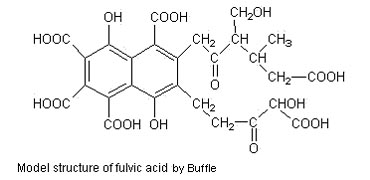
Fulvic acid is the small, highly active fraction of humic substances. Potassium fulvate carries that activity plus readily available potassium. Three effects matter for roots:
- Root-hair elongation. Fulvic compounds show auxin-like activity, stimulating root-hair formation and lateral branching — more surface area means more water and nutrient capture.
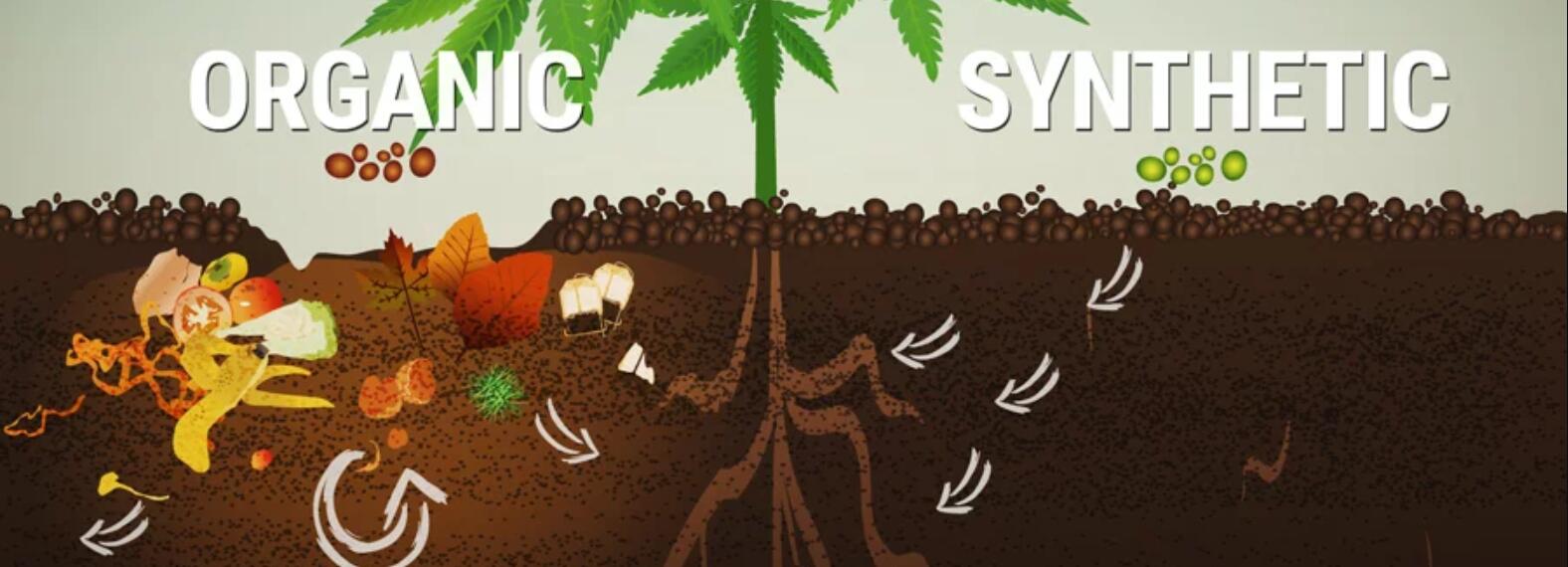
- Chelation. Fulvate binds cations (K⁺, Ca²⁺, Mg²⁺, Fe, Zn) into plant-available complexes, so nutrients reach the root instead of locking up in the soil.
- Soil conditioning. It improves aggregate stability and water retention, giving fine roots a friendlier medium to explore.
The result is a denser, deeper root system that performs better under stress.
Seedling and Transplant Stage
The highest-leverage window is establishment:
- Faster recovery from transplant shock. Dipped or drenched roots re-grow fine roots quicker, reducing wilt and stand loss.
- Stronger seedlings. Trays treated with low-rate fulvate show thicker stems and greener leaves at planting.
- Better early nutrient uptake, which compounds through the whole season.
A light foliar or root-zone pass at transplant is usually enough to set the trajectory.
Vegetative and Fruiting Stages
Roots never stop mattering, but the job shifts:
- During vegetative growth, a larger root system supports the bigger canopy without mid-season hunger.
- During fruiting, potassium demand spikes for sugar transport and fruit fill. Potassium fulvate supplies K in a low-salt, easily moved form, supporting both root function and fruit quality.
Potassium Fulvate vs Potassium Chloride
A common question: why not just use KCl?
| Potassium chloride (KCl) | Potassium fulvate | |
|---|---|---|
| Salt index | High | Low |
| Chloride risk | Can burn sensitive crops | None |
| Nutrient chelation | None | Yes (fulvic effect) |
| Soil impact | Neutral-to-negative | Improves structure |
For chloride-sensitive crops (berries, potatoes, some vegetables) and for foliar feeding, potassium fulvate is the safer, more functional choice.
Practical Application Schedule
- Foliar: dilute and spray in early morning or late evening; repeat every 10–14 days during establishment and fruiting.
- Drip / fertigation: run through the system at a low, steady rate; it pairs well with humic acid urea for a complete nutrition package.
- Root drench at transplant: a one-time low-rate pass pays back in stand uniformity.
Always jar-test concentrate before a full boom spray on sensitive foliage.
Pair It Wisely
Potassium fulvate stacks cleanly with other biostimulants. For a broader program, many growers combine it with seaweed extract for stress tolerance, or follow the overview in what is potassium fulvate. Specifications and packaging are on the Potassium Fulvate product page.
FAQ
How fast does potassium fulvate affect roots?
Root-hair response is typically visible within days of a root-zone application; canopy effects follow as uptake improves.
Can I mix it with other fertilizers?
Generally yes, but jar-test first and avoid strong alkaline tanks. It is compatible with most N-P-K and biostimulant programs.
Is it safe for seedlings?
Yes at low rates — that is exactly when it helps most. Avoid concentrated direct contact with seed.
Does it replace potassium fertilizer?
It supplies potassium plus chelation benefits, but for high K demand you may still use a base K program alongside it.