Sodium Humate in Aquaculture: Water Quality, Gut Health & Growth
In pond and tank aquaculture, the water is the medium and the gut is the engine. When either fails, growth stalls and losses climb. Sodium humate — the same feed-grade humate used on livestock — has a useful dual role in aquaculture: it cleans the water and supports the animal from the inside.
This guide covers what sodium humate does in aquaculture, where the gains come from, and how to dose it without overloading the system.
The Water-Quality Problem in Ponds
Dense stocking means waste accumulates fast:
- Ammonia and nitrite from feed and excretion are directly toxic to fish and shrimp.
- Suspended solids and algae cloud water, cut light penetration and stress stock.
- Sludge on the pond floor releases toxins as it decomposes.
Sodium humate addresses the first two directly.
How Sodium Humate Helps the Water
- Binds ammonia and nitrite. Humate’s negative charge complexes with NH₄⁺/NO₂⁻, lowering free toxic concentrations.
- Flocculates suspended solids. Fine particles clump and settle, improving clarity and reducing respiratory stress.
- Buffers the pond floor. A humate layer on sludge slows toxin release and supports beneficial microbes.
The outcome is calmer, clearer water with less toxic nitrogen pressure — the single biggest lever for survival and growth.
How It Helps the Animal
Beyond water, sodium humate supports the gut when used via feed:
- Gut-barrier support. It helps bind mycotoxins and irritants in the digestive tract.
- Microbiome balance. A healthier gut flora improves feed conversion.
- Stress resilience. Fish and shrimp under cleaner water and better gut function tolerate handling and temperature swings better.
Together these lift feed conversion ratio (FCR) and survival — the two numbers that decide profitability.
Dosing in Practice
Rates vary with system and stocking density, so treat the following as a starting frame, not a prescription:
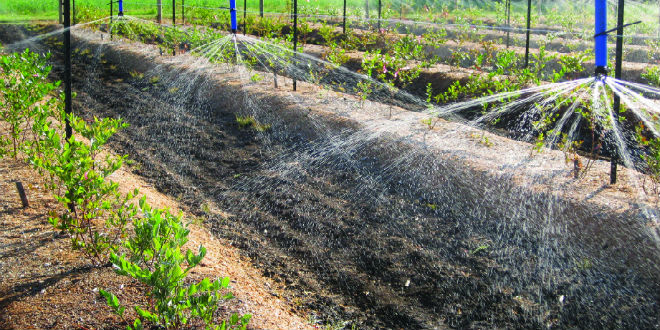
- Pond treatment (water): apply a measured humate dose per unit water volume, preferably split across the cycle rather than one large slug.
- Feed inclusion: blend a small percentage of feed-grade sodium humate into the diet, consistent with the feed-grade addition guide.
- Sludge management: periodic low doses help keep the floor buffered.
Always start conservative, monitor water parameters, and adjust.
Shrimp vs Fish
- Shrimp are especially sensitive to ammonia/nitrite, so water-dose humate pays off quickly in survival.
- Fish (tilapia, carp, catfish) benefit from both water clarity and feed-inclusion gut support, often showing better FCR.
Synergies
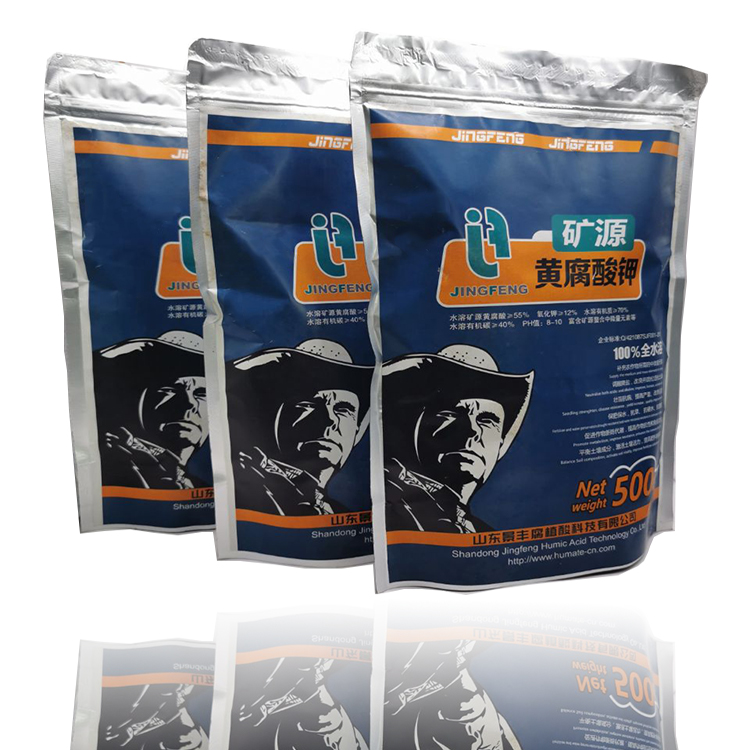
Sodium humate combines well with seaweed extract programs used in integrated systems, and with the mineral-source medical/supplement-grade fulvic acid line for higher-spec feed and supplement manufacturing. Full specs are on the Sodium Humate (50–65% feed grade) product page.
FAQ
Is sodium humate safe for shrimp?
Yes at recommended rates; it is widely used to reduce ammonia stress in shrimp ponds. Start low and monitor.
Will it change my water color?
It can clarify suspended solids as they settle — a normal, desirable effect. It is not a dye.
Can I use the same product for water and feed?
Use feed-grade material for feed inclusion. For water treatment, follow pond-dose guidance for the same feed-grade product.
How often should I apply?
Split doses across the production cycle generally outperform a single large application; adjust to stocking density and water test results.