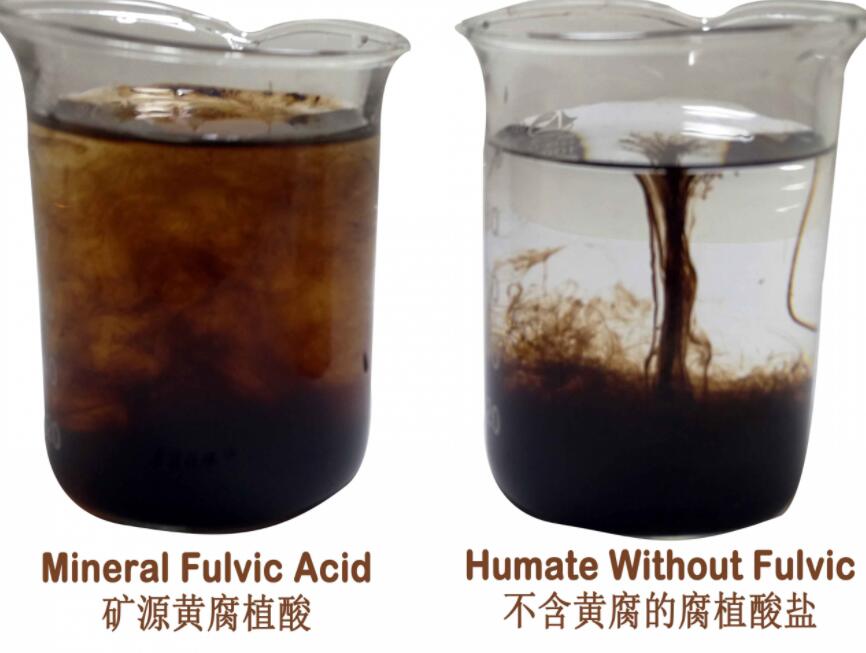
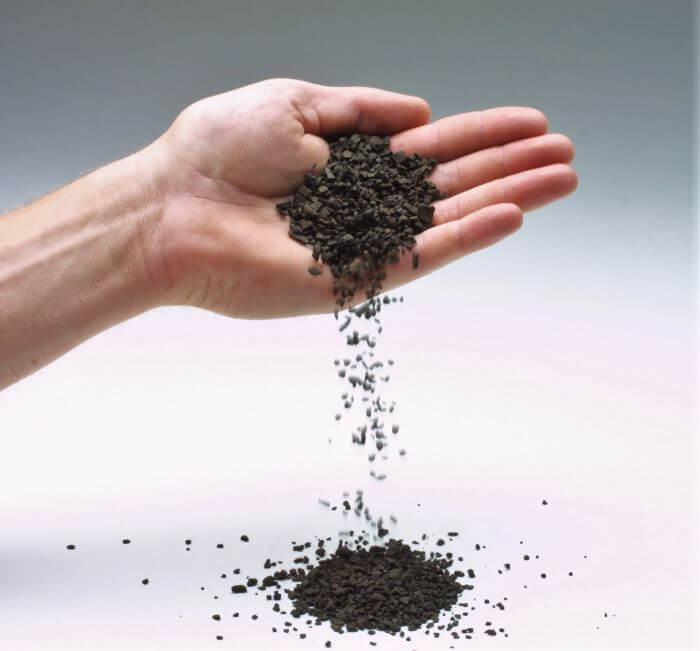
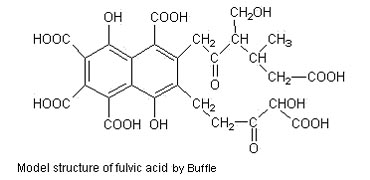
腐植酸処理後の芝生の変化(ビフォーアフター):2025年には芝生はどれくらい早く変化するのか?

フミン酸を使用すると、2~4週間後に芝生がより緑豊かで密になるのを実感できるでしょう。真の変化は、土壌の状態が改善されるにつれて徐々に現れます。フミン酸は土壌を強化することで芝生の生育を助け、微生物の増殖を促進します。微生物は栄養素の循環に重要な役割を果たします。研究によると、フミン酸やその他の栄養剤を与えた芝生は、より多くの微生物が存在することが示されています。これにより、芝生はストレスへの耐性が高まります。ただし、すべての芝生が同じように変化するわけではありません。研究によっては異なる結果を示すものもあります。より良い芝生を目指すなら、フミン酸による芝生の改善は、ゆっくりと着実に進む健康的な変化として捉えることが重要です。
主なポイント
フミン酸は芝生をより緑豊かで密にします。2~4週間後には、芝生がより緑になり、枯れた部分が少なくなるのを実感できるでしょう。
フミン酸は3~4週間ごとに散布してください。芝刈りと水やりを適切に行うことで、芝生は丈夫に育ち、ストレスへの耐性が高まります。
フミン酸は土壌の保水力を高め、有益な微生物を増やし、根の成長を促進します。
効果は庭によって異なります。土壌の種類、芝の種類、天候など、様々な要因が影響します。根気強く、定期的に芝生の手入れをすることで、着実な変化を実感できるでしょう。
土壌検査を行い、最適なフミン酸を選びましょう。過剰な使用や散布間隔を空けすぎないように注意することで、失敗を防ぐことができます。
フミン酸使用前後の芝生の変化

芝生に現れる目に見える変化
芝生にフミン酸を使用し始めると、実際にどのような変化が見られるのか気になるかもしれません。ほとんどの人は、時間の経過とともにいくつかの重要な改善点に気づきます。フミン酸を使用した芝生のビフォーアフターの違いは、芝生の色と密度に最も顕著に現れます。以下に、期待できる最も一般的な目に見える変化をいくつかご紹介します。
芝生の色がより深く、豊かな緑色になります。多くのユーザーは、わずか数週間で芝生がより健康的で生き生きとした状態になったと述べています。
芝生の密度が増します。裸地が減り、薄い部分に芝生が生い茂るようになります。
雑草が減り始めます。雑草が生えていた場所に黄色い斑点が見られるようになり、芝生が雑草に取って代わっていることがわかります。
根がより深く、強くなります。研究によると、フミン酸は根の発育を促進し、乾燥した時期でも芝生を健康に保つのに役立ちます。
芝生と雑草の比率が改善されます。研究によると、フミン酸を使用後、雑草に比べて芝生が27.6%増加しました。
植物の高さと分げつ(芝生の茎)の数が増え、芝生がより豊かに見えます。
ヒント:フミン酸は、適切な芝刈りと定期的な水やりを組み合わせることで、最良の結果が得られます。芝生の高さを7.5~10cmに保ち、週に2回、約1.2cmの水をやりましょう。
劇的な変化
オンラインで、フミン酸を使用した芝生の劇的なビフォーアフター写真を見たことがあるかもしれません。これらの劇的な変化は、定期的な手入れを続け、芝生が回復するのに十分な時間を与えた人たちによって実現されています。ユーザーの声や専門家のアドバイスに基づくと、以下のような変化が期待できます。
多くのユーザーは、最初の1ヶ月以内に、暑さや干ばつなどのストレスから芝生が回復し始めると報告しています。芝生は斑点が少なくなり、より均一になります。
数ヶ月かけて、芝生ははるかに密になります。成長期の終わりには、ふっくらとした緑豊かな庭になる人もいます。
芝生が密になるにつれて、雑草の問題が軽減されます。タンポポなどの広葉雑草が減ることに気づくでしょう。
裸地を埋めるために、秋に追播種など、追加の手入れが必要な芝生もあります。これは、庭が最初から薄かった場合は特に一般的です。
フミン酸を使用した芝生のビフォーアフターの変化は、すぐに現れるものではありません。ほとんどの人は、11ヶ月後に最良の結果を実感し、その間も着実に改善が見られます。注:実際の結果は、芝生の状態によって異なります。芝生が非常に薄かったり、雑草だらけの場合は、根気強くお手入れを続ける必要があるかもしれません。定期的なお手入れを続ければ、着実に改善が見られるでしょう。
数週間ごとに写真を撮ることで、腐植酸を使った芝生の手入れによる変化を記録できます。こうすることで、時間の経過とともに積み重なる小さな変化に気づくことができます。結果はゆっくりと現れますが、芝生だけでなく土壌自体を改善しているため、効果は長く持続します。忍耐強く適切なお手入れを続ければ、くすんでまばらだった芝生が、ふっくらとした緑豊かな健康的な芝生へと生まれ変わります。
効果が現れるまでの目安

週ごとの進捗状況
芝生にフミン酸を施用し始めると、どれくらいの速さで変化が現れるのか気になるでしょう。ほとんどの人は、約2~4週間で最初の改善の兆候に気づきます。芝生がより緑になり、薄い部分が埋まってくるかもしれません。この初期の改善は、フミン酸が土壌中に既に存在する栄養素の吸収を助けることによって起こります。
週ごとの変化は以下のとおりです。
1~2週目:まだ大きな変化は見られないかもしれません。フミン酸は地表の下で働き、根や土壌微生物を助けています。
3~4週目:芝生がより緑色になり始めます。芝がより高く伸び、均一に見えるようになるでしょう。一部の雑草が枯れ始めるかもしれません。
5~8週目:芝生がより密になります。裸地が埋まり、芝生が足元でより柔らかく感じられるようになります。雑草が減っていることに気づくかもしれません。
2ヶ月後:芝生は改善を続けます。根がより深く伸び、芝生は暑さや干ばつに対する抵抗力が強くなります。3~4週間ごとにフミン酸の施用を続けると、安定した成長と色を維持できます。
ヒント:毎週芝生の写真を撮りましょう。小さな変化が積み重なって、時間の経過とともに大きな改善につながるのがわかるでしょう。
速度に影響を与える要因
すべての芝生が同じペースで変化するわけではありません。いくつかの要因が結果の速度を速めたり遅くしたりします。より良い結果を得たい場合は、これらの要因に注意してください。
土壌の種類と状態:砂質の土壌は水はけが良い一方、粘土質の土壌は水分を保持します。フミン酸は、土壌中に吸収できる栄養素がある場合に最も効果を発揮します。土壌が痩せている場合は、結果が出るまでにより時間がかかる可能性があります。
天候と気候:暖かく晴れた日は芝生の成長を促進します。涼しい地域に住んでいる場合や雨が多い場合は、進捗が遅くなる可能性があります。
芝の種類:一部の種類の芝はすぐに反応しますが、他の種類の芝は時間がかかります。フェスクのような寒地型芝は春にすぐに緑になるかもしれません。バミューダグラスのような暖地型芝は、結果が出るのが遅くなる可能性があります。
フミン酸の形態:液体フミン酸は粒状フミン酸よりも速く効果を発揮します。液体は土壌に素早く浸透するため、より早く変化が見られる可能性があります。
土壌検査:始める前に土壌検査を行いましょう。これにより、どのような栄養素が不足しているのか、そしてより良い結果を得るためにどのように計画を調整すればよいのかを知ることができます。
総合的な芝生管理:腐植酸の散布を、芝刈り、水やり、施肥と組み合わせましょう。芝生が硬い、または圧縮されている場合は、エアレーションを行いましょう。これらの手順は、腐植酸の効果をより早く発揮させるのに役立ちます。
3~4週間ごとに定期的に腐植酸を散布することで、芝生の状態を良好に保つことができます。散布を怠ったり、芝生の種類に合わない製品を使用したりすると、効果が現れるまでに時間がかかる場合があります。試験データによると、粒状の腐植酸は、わずか4~6週間で芝生が完全に覆われるまでの時間を最大15%短縮できることが示されています。
注:すべての芝生は異なります。すぐに効果が見られない場合でも心配しないでください。定期的なお手入れを続けることで、シーズンを通して着実に改善が見られるでしょう。
芝生へのメリット
土壌の健康と微生物活動
芝生に腐植酸を加えることで、土壌に多くのメリットをもたらします。腐植酸は土壌構造を改善します。小さな塊、つまり凝集体を作り出し、空気と水がより簡単に移動できるようにします。これにより、根がより深く、より強く成長するのに役立ちます。また、微生物が繁殖するために必要なものを提供することで、土壌の健康を促進します。これらの小さな働き手は植物の残骸を分解し、芝生のための栄養に変えます。
腐植酸が芝生と土壌をサポートするいくつかの方法を以下に示します。
保水能力を高め、芝生をより長く湿った状態に保ちます。
土壌中の栄養素を解放し、芝生がより簡単に利用できるようにします。
有益な微生物を活性化させ、古い芝や葉を分解して豊かな有機物に変換します。
ミミズを増やし、土壌を混ぜて健康な状態に保ちます。
有機物を腐植に変換するのを助け、土壌の肥沃度を高めます。
土壌の健康に重点を置くことで、芝生を長期的な成功へと導くことができます。健康な土壌は、より緑豊かで密度の高い芝生を意味し、ストレスにも強い芝生になります。
耐ストレス性と成長
天候が悪化しても、芝生は美しく保ちたいものです。腐植酸は、干ばつ、暑さ、劣悪な土壌などに対抗するために必要なものを芝生に与えます。土壌の保水能力を高めるため、芝生がすぐに乾燥するのを防ぎます。また、腐植酸は栄養素を土壌に保持するため、根が必要なときに栄養素を吸収できます。フミン酸で処理された芝生は根がより強く成長し、ストレスに対する耐性が向上します。フミン酸に含まれる天然の植物ホルモンが根の成長と細胞分裂を促進するため、根が丈夫になります。これにより、芝生は暑い日、乾燥した時期、さらには塩分濃度の高い土壌にも耐えることができます。芝生がより長く緑色を保ち、悪天候の後もより早く回復するようになるでしょう。
芝生へのメリットはそれだけではありません。フミン酸は芝生に必要な肥料と水の量を減らすのに役立ちます。土壌のバランスを保ち、有害な毒素を減少させます。長期的に見ると、健康的で回復力のある、見た目も美しく、手入れの手間も少ない芝生になります。
芝生用フミン酸:使用方法のヒント
2025年のベストプラクティス
芝生を最高の状態に保ちたいなら、芝生にフミン酸を正しく使用する方法について説明しましょう。まずは土壌検査から始めましょう。これにより、芝生に必要なものが分かり、適切な製品を選ぶことができます。高品質の製品を選びましょう。
| Feature/Benefit | Granular Humic Acid | Liquid Humic Acid |
|---|---|---|
| Nutrient Release | Slow and steady | Fast and noticeable |
| Application Method | Spread with equipment | Spray with hose or sprayer |
| Storage | Easy, less sensitive | Needs careful storage |
| Cost | Cheaper in bulk | More expensive per use |
| Soil Impact | Improves structure | Boosts quick green-up |
| Speed of Effect | Gradual | Rapid |
液体フミン酸は速効性があり、簡単に散布できます。粒状タイプは効果が長持ちし、丈夫な土壌づくりに役立ちます。ご自身の芝生の手入れ方法に合ったものを選びましょう。
フミン酸処理は春か秋に行います。月に一度の散布で芝生を健康に保つことができます。フミン酸は、定期的な芝刈り、水やり、エアレーションと組み合わせて使用してください。「Humic Max 16-0-8」のような製品は、栄養分とフミン酸を一度に供給できます。
ヒント:芝生の手入れは、地域の気候と土壌に合わせて計画を立てましょう。定期的な手入れが最良の結果をもたらします。
よくある間違い
多くの人が土壌検査を怠っています。これは時間とお金の無駄につながります。気候や土壌の種類を考慮しないと、期待通りの結果が得られない可能性があります。すぐに効果が現れると期待する人もいますが、フミン酸の効果はゆっくりと現れます。すぐに効果が見られなくても、芝生の手入れを止めないでください。
もう一つの間違いは、特に窒素が添加されている製品の場合、使いすぎることです。過剰な散布は芝生に害を与える可能性があります。ラベルの指示に従ってください。追肥を怠ると、芝生はフミン酸の恩恵を十分に受けることができません。健康な芝生には、一時的な対策ではなく、継続的な手入れが必要であることを覚えておきましょう。
芝生ユーザーの体験談
最速の変化
フミン酸と適切な手入れで、芝生がどれくらい早く変化するのか疑問に思うかもしれません。わずか数ヶ月で大きな変化を実感した人もいます。ここでは、実際の体験談をご紹介します。
| Project Name | Transformation Time | Conditions | Contributing Factors | Outcome Summary |
|---|---|---|---|---|
| Lawn Health Renovation | 8 weeks | Newly built home lawn | Aeration, compost, weekly maintenance | Lush, healthy grass |
| Stressed and Dying to Lush and Green | A couple of months | Drought, nutrient deficiency, pests | Sprinkler repair, fertilization, pest control | Vibrant, healthy lawn |
| Zoysia Lawn from Plugs to Perfection | Rapid | Weedy, mostly dirt | Soil sampling, pest control | Lawn spread rapidly, dramatic improvement |
| Sandy Soil to Lush and Green | Not specified | Sandy, poor soil | Irrigation, topdressing, sod installation | Lush lawn, improved landscape |
| Lawn Health Rehab | Not specified | Chinch bug infestation | Pest control, irrigation, health program | Lawn saved, $10k in sod saved |
腐植酸と包括的な芝生ケアプランを併用すると、最も速い変化が見られます。土壌不良、害虫、乾燥箇所などの問題を解決することで、芝生はすぐに回復します。ネバダ州のジェームズ・Jさんのように、暑い気候でも芝生が緑色を保ったという人もいます。また、わずか2回の処理で土壌が改善され、芝生がより密になったことに気づいた人もいます。
段階的な改善
すべての芝生がすぐに変化するわけではありません。ほとんどの場合、数ヶ月かけてゆっくりと変化が見られます。数回の処理後、芝生がより緑色になり、密になることに気づくでしょう。多くの人は、春と秋に写真を撮ったり、土壌検査を行ったりして、経過を記録しています。MySoil Pro Packのようなキットは、栄養素とpHをチェックするのに役立ちます。これにより、ケアプランが効果的かどうかを確認できます。
ゆっくりと着実に変化していくことを期待してください。腐植酸は土壌を改善し、栄養素の吸収を促進することで効果を発揮します。定期的な芝刈り、水やり、施肥を行うことで、最良の結果が得られます。ルーティンを継続すれば、芝生は季節ごとに美しくなります。忍耐が重要であることを忘れないでください。ビフォーアフター写真を撮ることで、積み重なっていく小さな変化を確認できます。
ヒント:庭に合った目標を設定しましょう。すべての芝生は異なるため、結果は人それぞれ異なります。プランを継続し、気づいた改善点をすべて喜びましょう。
芝生はわずか数週間で見た目が良くなり始めますが、真の効果は時間をかけて現れます。腐植酸は、芝生が水分を保持し、栄養素をより効果的に利用し、より強い根を張るのを助けます。土壌検査や定期的なケアなど、最善の方法に従えば、芝生を長期的に健康に保つことができます。腐植酸を試して、ビフォーアフター写真を撮り、季節ごとに芝生がより緑色で密になる様子を観察してください。
よくある質問
芝生に腐植酸をどれくらいの頻度で散布すればよいですか?
生育期には3~4週間ごとに腐植酸を散布してください。これにより、土壌が健康に保たれ、芝生が丈夫に育ちます。必ず製品ラベルの指示に従ってください。
腐植酸は他の肥料と一緒に使用できますか?
はい、腐植酸はほとんどの芝生用肥料と一緒に使用できます。実際、芝生が栄養素をより効果的に利用するのに役立ちます。ただし、特に窒素を多く含む製品の場合は、過剰に使用しないように注意してください。
腐植酸は芝生を枯らしますか?
いいえ、腐植酸は芝生を枯らしません。ほとんどの芝生にとって優しく安全です。暑い時期でも、ダメージを心配することなく使用できます。
腐植酸を散布してから効果が現れるまでどれくらい時間がかかりますか?
ほとんどの場合、2~4週間で芝生がより緑色になるのがわかります。芝が密になり、根が深く張るにはもう少し時間がかかります。変化を確認するために、定期的に写真を撮ることをお勧めします。
腐植酸はペットや子供にとって安全ですか?
はい、腐植酸は乾燥すればペットや子供にとって安全です。芝生が乾いてから、ペットや子供を外で遊ばせるようにしてください。芝生用製品は必ず子供の手の届かない場所に保管してください。