- 1. Leonardite Humic Acid vs Peat and Compost Which Wins for Soil Health
- 1.1. Key Takeaways
- 1.2. Quick Comparison
- 1.2.1. Key Differences
- 1.2.2. Pros and Cons
- 1.3. Humic Acids
- 1.3.1. What They Are
- 1.3.2. Role in Soil
- 1.4. Leonardite Humic Acid
- 1.4.1. Source and Extraction
- 1.4.2. Content and Purity
- 1.4.3. Bioactivity
- 1.4.4. Soil Benefits
- 1.5. Peat
- 1.5.1. Origin
- 1.5.2. Humic Acid Levels
- 1.5.3. Soil Impact
- 1.5.4. Environmental Impact
- 1.6. Compost
- 1.6.1. What It Is
- 1.6.2. Humic Substances
- 1.6.3. Nutrients
- 1.6.4. Variability
- 1.7. Comparison
- 1.7.1. Humic Acid Content
- 1.7.2. Bioactivity
- 1.7.3. Predictability
- 1.7.4. Environmental Factors
- 1.8. Recommendations
- 1.8.1. Best for Soil Health
- 1.8.2. When to Use Peat
- 1.8.3. When to Use Compost
- 1.8.4. Custom Approaches
- 1.9. FAQ
- 1.9.1. What is the main advantage of leonardite humic acid over peat and compost?
- 1.9.2. Can you use leonardite humic acid, peat, and compost together?
- 1.9.3. Is leonardite humic acid safe for organic gardening?
- 1.9.4. How often should you apply humic acid products?
- 1.9.5. Does peat harm the environment?
- 1.9.6. What is the best way to apply compost for soil health?
- 1.9.7. Can you make your own humic acid at home?
- 1.9.8. Which amendment is most cost-effective for home gardeners?
Leonardite Humic Acid vs Peat and Compost Which Wins for Soil Health

Leonardite humic acid stands out as the top choice for improving soil health. You get a higher concentration and stronger bioactivity compared to peat or compost, making leonardite the preferred option for farms and greenhouses worldwide. Peat and compost offer benefits, but their humic acid levels and soil impact are less predictable. The global market for humic biostimulants, led by leonardite, is growing rapidly to meet the demand for healthier soil and sustainable agriculture.

Key Takeaways
- Leonardite humic acid has the highest humic acid content, offering strong, long-lasting benefits for soil health and plant growth.
- Peat improves soil water retention and structure but varies in humic acid levels and can harm peatland ecosystems if not sourced responsibly.
- Compost adds valuable nutrients and beneficial microbes, supporting soil fertility and sustainability with low environmental impact.
- Leonardite humic acid provides consistent, predictable results, making it ideal for precise soil improvement in farming and gardening.
- Combining leonardite, peat, and compost lets you customize soil care to address specific needs like drainage, nutrient retention, and microbial health.
- Regular soil testing helps you choose the right amendments and apply them at proper rates for the best crop and soil outcomes.
- Choosing sustainable options like compost and responsibly sourced peat protects the environment while improving your soil.
Quick Comparison

Key Differences
When you compare leonardite humic acid, peat, and compost, you see clear differences in their humic acid content, bioactivity, predictability, and ease of use. The table below gives you a side-by-side look at these important factors:
| Source Material | Humic Acid Content (%) | Bioactivity Characteristics | Predictability & Stability | Ease of Use / Solubility |
|---|---|---|---|---|
| Leonardite | 60-70 | High cation exchange capacity (CEC), stable, long-lasting | High predictability due to stability | Soluble in alkaline solutions |
| Peat | 30-60 | Moderate to high CEC, biodegradable, environmentally friendly | Moderate predictability | Soluble in alkaline solutions |
| Compost | 10-40 | Moderate CEC, contains beneficial microorganisms, promotes microbial diversity | Variable bioactivity, less predictable | Water soluble; available as liquid extracts or solid concentrates, easier application in some contexts |

You notice that leonardite humic acid contains the highest percentage of humic acids, often reaching 60-70%. Peat follows with a moderate range, while compost usually offers the lowest concentration. This difference matters because higher humic acid content means stronger effects on soil structure, nutrient retention, and plant growth.
Leonardite humic acid also stands out for its high cation exchange capacity (CEC). This property allows your soil to hold onto nutrients and release them to plants when needed. Scientific studies show that leonardite-derived humic acids improve soil fertility, boost nutrient availability, and help plants resist stress. The chemical structure of leonardite humic acid, rich in carboxyl and phenolic groups, gives it strong binding power and long-lasting effects in the soil.
Peat provides moderate humic acid content and supports soil health, but its effects can vary depending on the source and how it is processed. Compost brings valuable microorganisms and organic matter to your soil. However, its humic acid levels and bioactivity change from batch to batch, making results less predictable.
Note: Leonardite humic acid is widely recognized as the industry benchmark for humic acid concentration and effectiveness. You can rely on its stability and performance in both large-scale agriculture and home gardening.
Pros and Cons
Here is a quick summary to help you decide which material fits your needs:
- Leonardite Humic Acid
- ? Highest humic acid content and bioactivity
- ? Consistent results and easy to measure
- ? Long-lasting soil benefits
- ? Usually more expensive than compost
- ? Requires alkaline solution for best solubility
- Peat
- ? Moderate humic acid content
- ? Improves soil structure and water retention
- ? Environmental concerns with harvesting
- ? Less predictable than leonardite
- Compost
- ? Adds beneficial microbes and organic matter
- ? Easy to make or buy locally
- ? Lowest humic acid content
- ? Highly variable results
When you want the most predictable and powerful boost for your soil, leonardite humic acid delivers the highest concentration and proven effectiveness. Peat and compost still play important roles, especially if you value local resources or want to increase soil biodiversity. Your choice depends on your goals, budget, and environmental values.
Humic Acids
What They Are
You encounter humic acids every time you work with healthy, dark soil. These substances form as a result of the microbial breakdown and mineralization of dead organic matter. In soil science, experts classify humic substances based on their solubility and chemical structure. The table below summarizes the main characteristics:
| Aspect | Description |
|---|---|
| Chemical Definition | Complex mixtures of many different acids, dark brown, long-chain molecules with high molecular weight |
| Formation | Result from microbial decomposition and mineralization of dead organic matter |
| Functional Groups | Carboxy, hydroxy, phenolic, ketonic groups |
| Solubility Classification | Humin: insoluble in acid and base Humic Acid: soluble in alkali, insoluble in acid Fulvic Acid: soluble at all pH values |
| Molecular Weight | Humic Acid: 2.0 to 1300 kDa Fulvic Acid: 500–2000 Da |
| Elemental Composition | Humic Acid: Oxygen 32.8–38.3% Fulvic Acid: Oxygen 39.7–49.8% |
| Soil Distribution | Varies by soil type: mollisol (equal distribution), vertisol (humin prevails), spodosol B (fulvic acid prevails) |
| Source | Microbial action on organic matter |
You find humic acids as dark brown, long-chain molecules with high molecular weight. These molecules contain carboxy, hydroxy, phenolic, and ketonic groups. Their structure allows them to interact with minerals and nutrients in the soil. Humic acids dissolve in alkaline solutions but not in strong acids. Fulvic acids, which are closely related, dissolve at all pH levels. Together, humic and fulvic acid play a major role in soil organic matter and soil fertility.
Role in Soil
Humic acids serve as the backbone of fertile soil. When you add humic substances, you boost soil structure by promoting aggregation. This process creates stable soil crumbs that improve aeration and root penetration. Humic acids also increase cation exchange capacity, which means your soil can hold more nutrients and release them to plants as needed.
Tip: If you want to maximize nutrient uptake and water retention, focus on increasing humic content in your soil.
Peer-reviewed research shows that humic acids enhance nutrient uptake by plants. They help roots absorb more nitrogen, phosphorus, potassium, magnesium, and iron. Humic acids act as natural chelators, making micronutrients like iron more available to your crops. They also stimulate beneficial microbes, which further improve nutrient cycling and soil health.
You will notice that soils rich in humic acids hold more water. This increased water holding capacity helps plants survive dry periods and reduces the need for frequent irrigation. By supporting microbial activity and improving the physical structure, humic acids create an environment where organic matter breaks down efficiently and nutrients remain available for plant growth.
Leonardite Humic Acid

Source and Extraction
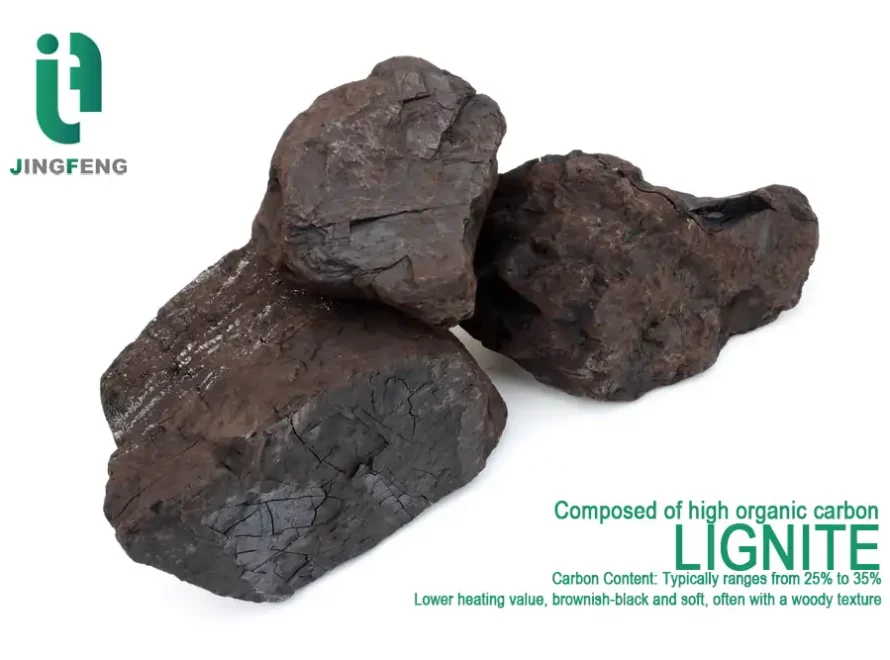
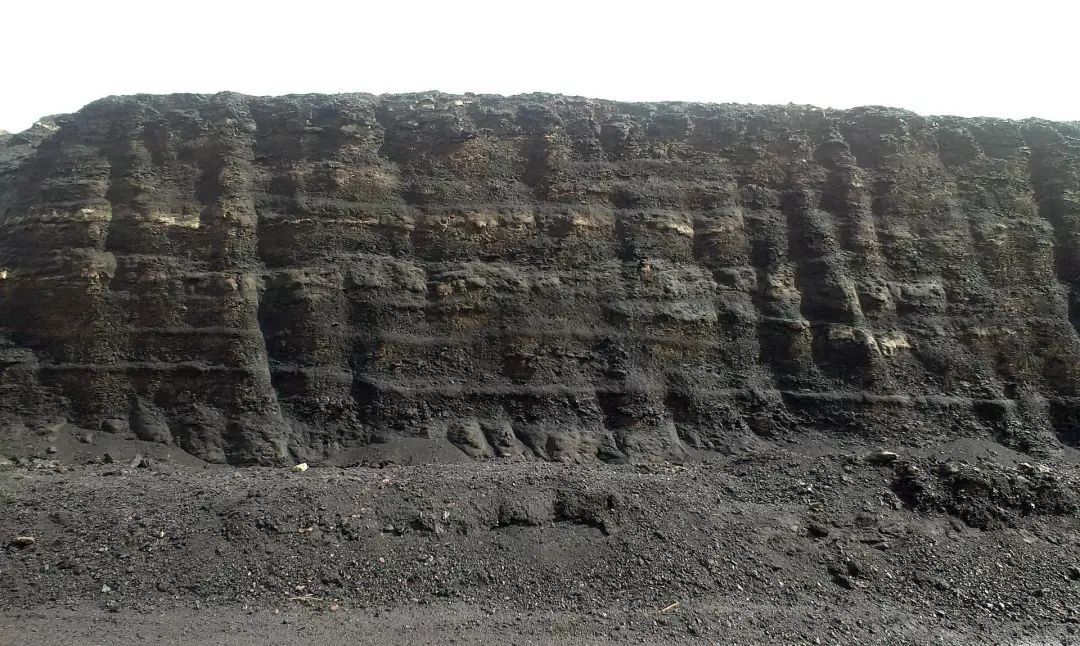
You find leonardite in ancient lignite deposits, where it forms as a soft, brown, oxidized coal rich in humic substances. For agricultural purposes, you extract humic acid from leonardite using a process called alkali-dissolution followed by acid-precipitation. In this method, you dissolve the humic material with sodium hydroxide or potassium hydroxide, then add hydrochloric acid to separate the humic acid. The extraction parameters—such as alkali concentration, extraction time, and the liquid-to-solid ratio—play a major role in the final yield and purity. When you increase the water-to-leonardite ratio, you lower the ash content and improve purity without sacrificing yield. Organic solvent extraction alone does not work well, but acid pretreatment can help extract additional fractions. The chart below shows how different extraction methods affect yield and purity:

Tip: For the highest quality humic acid from leonardite, focus on optimizing extraction conditions. This ensures you get both high yield and purity for your fertilizers and humics.
Content and Purity
Leonardite stands out as the richest natural source of humic substances. You see a wide range of humic acid concentration in leonardite, from as low as 10% up to 80% of its organic matter. The maturity of the deposit and the extraction process both influence this range. Commercial products made from humalite and leonardite can guarantee humic acid levels of 80% or higher, which is much greater than what you find in peat or compost. This high concentration makes leonardite humic acid the industry standard for soil amendments. When you use these products, you know you are adding a consistent and potent source of humic material to your soil.
Bioactivity
You measure the bioactivity of leonardite humic acid using laboratory tests that track plant enzyme activity. For example, you might look at catalase and soluble acid invertase in plant callus cultures. Results show that humic acid from leonardite can significantly change these enzyme activities, but compost-derived humic acids sometimes show even stronger biostimulant effects on plant growth. Chemical analysis, such as total acidity titration and molecular composition studies, helps you understand why leonardite humic acid works so well. You benefit from its stable structure and high cation exchange capacity, which support nutrient retention and long-term benefits for your soil. When you combine humalite and leonardite products with fertilizers and humics, you create a powerful solution for improving soil health and supporting plant growth.
Soil Benefits
When you add leonardite humic acid to your soil, you unlock a range of powerful benefits that support healthy plant growth and long-term productivity. Leonardite stands out because it delivers a high concentration of humic substances, which play a key role in improving soil structure and fertility.
You notice the first benefit in the way your soil holds water. Humic acids from leonardite and humalite increase the soil’s ability to retain moisture. This means your plants get more consistent access to water, even during dry spells. Better water retention also reduces runoff and erosion, which helps you maintain a stable growing environment.
Nutrient availability improves when you use leonardite or humalite products. Humic acids act as natural chelators. They bind to essential nutrients like nitrogen, phosphorus, and potassium, making these elements more available to plant roots. You see stronger, healthier plants because nutrients stay in the root zone instead of washing away. This process also boosts the efficiency of any fertilizers you apply, so you get more value from your investment.
Soil structure changes for the better with regular applications of humalite or leonardite humic acid. Humic substances encourage the formation of soil aggregates. These small clusters create air pockets and pathways for roots to grow deeper. Improved structure means your soil resists compaction and supports better root development.
You also benefit from increased microbial activity. Humic acids provide a food source for beneficial microbes. These organisms break down organic matter and release nutrients in forms that plants can use. A thriving microbial community leads to healthier, more resilient soil.
Another advantage comes from the way humic acids buffer soil pH. If your soil is too acidic or alkaline, leonardite and humalite help stabilize the pH. This creates a more balanced environment for your crops.
Tip: Consistent use of leonardite or humalite humic acid can transform poor or depleted soil into a productive, fertile base for any crop.
Research supports these benefits. Studies show that soils treated with leonardite-derived humic acids have higher yields, improved nutrient uptake, and better drought resistance. You can rely on these products to deliver results season after season.
Peat
Origin
You find peat in wetlands where plant material accumulates over thousands of years. In these environments, waterlogged conditions create low oxygen and high acidity. This slows down the decay of mosses, sedges, and shrubs. Sphagnum moss plays a key role by holding water and releasing tannins that help preserve organic matter. Over time, layers of plant debris build up, forming peat deposits. The composition of peat changes depending on the climate, water flow, and types of plants present. Some peat layers contain mostly fibric material, which is less decomposed, while others have sapric material, which is more broken down. Geological processes like sedimentation and changes in vegetation also shape the final makeup of peat. You see differences in ash content and trace elements between younger and older peat layers, reflecting shifts in climate and plant growth over time.
Humic Acid Levels
Peat contains moderate levels of humic acids compared to other soil amendments. The humic content in peat depends on how much the plant material has decomposed and the specific conditions in the wetland. As peat forms, the breakdown of organic matter produces humic substances, which give peat its dark color and ability to hold nutrients. However, the concentration of humic acids in peat usually falls below that of leonardite but above most composts. This makes peat a useful source of humic acids for gardeners and growers who want to improve soil health. You benefit from the natural balance of humic substances and other organic compounds in peat, but the exact levels can vary from one deposit to another.
Soil Impact
When you add peat to your soil, you change its physical and chemical properties. Peat increases the soil’s ability to hold water, which helps plants survive dry periods. The organic matter in peat also improves soil structure by making it less compact and easier for roots to grow. However, peat is naturally acidic, with a pH around 3.3 to 3.5. This acidity can limit nutrient availability and reduce fertility unless you adjust the pH with lime. Liming peat soils raises the pH and makes nutrients more accessible, but it can also lower the cation exchange capacity and affect the balance of magnesium and potassium. You should monitor these changes to keep your soil healthy. Peat adds organic carbon, which boosts fertility, but you can achieve similar results with sustainable alternatives like composted bark. Using peat responsibly supports sustainable gardening, but always consider the environmental impact of peat extraction and look for ways to balance soil improvement with sustainable practices.
Environmental Impact
When you consider using peat for soil improvement, you must weigh its environmental impact. Peatlands store large amounts of carbon. These wetlands act as natural carbon sinks, locking away carbon dioxide that would otherwise enter the atmosphere. When you harvest peat, you disturb these ecosystems. This process releases stored carbon and contributes to greenhouse gas emissions.
Peat extraction often involves draining wetlands. This action lowers the water table and exposes organic matter to air. As a result, the peat decomposes faster and releases even more carbon dioxide. You also see a loss of habitat for many plants, birds, and insects. Some species depend on peat bogs for survival. When you remove peat, you risk reducing biodiversity in these sensitive areas.
You may notice that peatlands take thousands of years to form. The rate of peat accumulation is very slow. When you harvest peat faster than it can regenerate, you create a non-renewable situation. This makes peat a limited resource. Many environmental groups and scientists urge gardeners and farmers to seek alternatives.
Note: The use of peat in gardening and agriculture faces increasing restrictions in some countries. Governments and organizations promote alternatives to protect peatlands and reduce carbon emissions.
If you want to make a positive environmental choice, you should look for products labeled as “peat-free.” Many soil amendments now use composted bark, coconut coir, or other organic materials. These options support a more sustainable approach to soil health. You can also recycle green waste from your garden to create your own compost. This practice reduces the demand for peat and helps close the nutrient loop in your local ecosystem.
Peat extraction can also affect water quality. When you drain peatlands, you change the flow of water in the landscape. This can lead to increased runoff and erosion. You may see more sediment and nutrients entering nearby streams and rivers. These changes can harm aquatic life and disrupt natural cycles.
You play a key role in protecting peatlands. By choosing alternatives and supporting responsible sourcing, you help preserve these unique ecosystems for future generations. Always check the source of any peat-based product you buy. Responsible companies may restore peatlands after extraction, but true restoration takes decades or even centuries.
Compost
What It Is
You create compost by breaking down plant material, food scraps, and other organic waste. This process uses microbes, fungi, and earthworms to transform waste into a dark, crumbly material. Compost acts as a natural soil amendment. You add it to your garden or farm to improve soil structure and fertility. The finished product contains a balanced mix of nutrients and organic matter. You support a healthy soil ecosystem when you use compost, making it a sustainable choice for soil health.
Humic Substances
Compost serves as a valuable source of humic substances. These complex molecules form during the decomposition of organic matter. You find both humic and fulvic acid in mature compost. These compounds help bind soil particles together, creating stable aggregates. As a result, your soil holds water better and resists erosion. Humic substances also increase the cation exchange capacity of soil, allowing it to store and release nutrients more efficiently. When you apply compost, you introduce these beneficial compounds, which support plant growth and soil fertility.
Tip: Compost not only adds humic substances but also inoculates your soil with beneficial microbes. This combination boosts nutrient cycling and helps suppress soil-borne diseases.
Nutrients
Compost provides a rich supply of essential nutrients for your plants. You get macronutrients like nitrogen, phosphorus, potassium, calcium, and magnesium, as well as a range of micronutrients and trace minerals. The nutrient quality of compost depends on the original feedstock. For example, compost made from animal manure or biosolids often contains higher levels of phosphorus and potassium. Most nutrients in compost exist in organic forms, which release slowly as microbes break them down. This slow-release effect prevents nutrient leaching and supports long-term soil fertility.
You also benefit from the way compost improves soil structure. The organic matter in compost creates aggregates that enhance aeration and moisture retention. This environment supports a diverse community of soil organisms. These microbes convert compost into stable soil organic matter, which helps sequester carbon and build soil resilience. Compost buffers soil pH, making nutrients more available to plants in both acidic and alkaline soils.
| Nutrient | Role in Soil Health | Source in Compost |
|---|---|---|
| Nitrogen | Supports leafy growth | Plant material, manure |
| Phosphorus | Promotes root and flower growth | Manure, biosolids |
| Potassium | Improves stress tolerance | Plant residues, manure |
| Calcium | Strengthens cell walls | Eggshells, plant debris |
| Magnesium | Essential for photosynthesis | Green waste, manure |
Note: Compost acts as a slow-release fertilizer. You reduce the need for chemical fertilizers and help restore degraded soils by using compost regularly.
Variability
You will notice that compost is not a uniform product. Its quality and effectiveness can change from batch to batch. This variability comes from several factors, including the raw materials you use, the composting process, and how long the compost matures.
The feedstock, or starting material, plays a major role. If you use mostly green plant waste, your compost will have a different nutrient profile than compost made from manure or food scraps. Some composts contain more woody material, which breaks down slowly and adds structure to the soil. Others have more leafy greens, which decompose quickly and release nutrients faster.
The composting process also affects the final product. You might use hot composting, which heats the pile to kill weed seeds and pathogens. This method produces compost quickly but requires careful management of moisture and aeration. Cold composting takes longer and may not reach high enough temperatures to destroy all pests or seeds. The method you choose changes the texture, smell, and microbial content of your compost.
Maturity is another key factor. Finished compost should look dark, crumbly, and smell earthy. Immature compost can contain substances that harm plants, such as organic acids or ammonia. If you apply compost before it fully matures, you risk stunting plant growth or causing root burn. Always check that your compost has broken down completely before using it in your garden or fields.
You will find that the levels of humic substances in compost can vary widely. Some batches contain high amounts, which help improve soil structure and water retention. Others may have lower levels, especially if the composting process was incomplete or the feedstock was poor in organic matter.
Tip: Test your compost before large-scale application. Simple home tests, such as the bag test for maturity or a germination test, can help you avoid problems.
Compost also varies in its ability to suppress plant diseases. Some batches support beneficial microbes that outcompete harmful organisms. Others may lack this protective effect, especially if the compost was not managed well.
You should remember that compost is a living material. Its microbial community changes over time and with storage conditions. If you store compost for too long or let it dry out, you may lose some of its benefits.
To get the best results, pay attention to the source, process, and maturity of your compost. Consistent monitoring and good management help you produce a reliable amendment that supports healthy soil and strong plant growth.
Comparison
Humic Acid Content
When you compare humic acid content across different sources, you see clear differences. Leonardite-based products consistently deliver the highest concentrations. Laboratory analyses show that products like Humitec and Humic Gold, both derived from leonardite, contain 30% and 56% humic acid, respectively. In contrast, peat-based humic acids have lower concentrations, and compost-derived products often lack explicit humic acid content data. This means you get more humic material per application when you choose leonardite.
| Material | Humic Acid Content (%) |
|---|---|
| Humitec (leonardite-based) | 30 |
| Humic Gold (leonardite-based) | 56 |
| Peat | 17–60 (varies) |
| Compost | Not consistently reported |
You also notice differences in composition. The carbon-to-nitrogen (C/N) ratio in leonardite humic acid ranges from 34.71 to 68.35, much higher than the C/N ratio of 17.82 found in peat-derived humic acid. This higher C/N ratio means leonardite humic acid contains less nitrogen relative to carbon, while peat humic acid is richer in nitrogen. These compositional differences affect how each material interacts with nutrients and organic matter in your soil.
If you want the most concentrated source of humic acids for your field or garden, leonardite-based products set the standard.
Bioactivity
Bioactivity measures how effectively humic and fulvic acid stimulate plant growth and improve soil functions. You benefit from the high bioactivity of leonardite-derived humic acids, which support nutrient retention, water holding, and plant resilience. The stable structure and high cation exchange capacity of leonardite humic acid make it a reliable choice for boosting plant health.
Peat-based humic acids also enhance plant growth, but their effects can vary depending on the source and processing. Compost-derived humic acids sometimes show strong biostimulant effects, especially when the composting process is well managed. However, the variability in compost feedstocks and processing conditions can lead to inconsistent results.
You should remember that the presence of functional groups like phenol and carboxylic acid in humic acids contributes to their agronomic benefits. These groups help with nutrient retention, water management, and disease suppression. The activity of these groups depends on the source and processing of the humic material.
Predictability
Predictability is crucial when you want consistent results in your soil management practices. You will find that leonardite humic acid offers the most stable and predictable outcomes. Its chemical structure remains consistent across batches, which allows you to anticipate its effects on plant growth and nutrient cycling.
Peat and compost-derived humic acids present more variability. The chemical structure of humic substances changes based on raw materials, composting conditions, and molecular composition. This complexity makes it harder to predict uniform results. For example, composting parameters such as temperature, pH, moisture, and oxygen all influence the formation and properties of humic acids in compost. As a result, you may see different outcomes even when using compost from the same source.
- Humic substances from all sources have complex and variable structures.
- This variability complicates the ability to predict consistent results.
- Composting conditions and raw material characteristics play a major role in the final product.
- While all humic substances can improve plant growth and soil health, you need careful control and characterization to achieve predictable results.
If you require reliable performance, especially in commercial agriculture, leonardite humic acid stands out as the preferred option. You gain more control over your soil amendment strategy and reduce the risk of unexpected outcomes.
Environmental Factors
When you choose a soil amendment, you must consider the environmental impact. Each material—leonardite humic acid, peat, and compost—affects the environment in different ways. Understanding these effects helps you make responsible decisions for your garden or farm.
Leonardite Humic Acid
Leonardite comes from ancient lignite deposits. Mining and processing leonardite can disturb land and use energy. However, you often need less leonardite to achieve strong soil benefits because of its high concentration. This efficiency reduces the total material you must extract and transport. Leonardite does not regenerate quickly, so you should use it wisely and look for suppliers who follow responsible mining practices.
Peat
Peat extraction has a significant environmental footprint. Harvesting peat destroys peatlands, which serve as important carbon sinks. When you remove peat, you release stored carbon dioxide into the atmosphere. This process contributes to climate change. Peatlands also support unique wildlife and plant species. Once damaged, these ecosystems take centuries to recover. Many countries now restrict peat harvesting to protect these valuable habitats.
Compost
Compost stands out as the most sustainable option. You create compost from recycled organic waste, such as food scraps and yard trimmings. This process diverts waste from landfills and reduces methane emissions. Composting supports a circular economy by returning nutrients to the soil. You also help build soil carbon and improve biodiversity. If you source compost locally, you lower transportation emissions and support community sustainability.
| Material | Carbon Footprint | Habitat Impact | Regeneration Rate | Sustainability Score |
|---|---|---|---|---|
| Leonardite Humic Acid | Moderate | Moderate (mining) | Very slow | Medium |
| Peat | High | Severe (peatlands) | Extremely slow | Low |
| Compost | Low | Minimal (recycling) | Fast | High |
Note: If you want to minimize your environmental impact, compost offers the best balance of soil health and sustainability. Peat poses the greatest risk to ecosystems and climate, while leonardite falls in the middle.
Recommendations
Best for Soil Health
You want the most effective amendment for building healthy soil and supporting strong crop growth. Leonardite humic acid stands out as the top choice for improving soil health in most situations. Its high concentration of humic acids, stable structure, and strong bioactivity make it the industry standard for boosting nutrient uptake, water retention, and soil structure. You can apply leonardite-derived humic acids in small, precise amounts—such as 1 to 2 pounds per 100 square feet for gardens or 3 to 10 pounds per 1,000 square feet for lawns. For potted crops, use 2 tablespoons per cubic foot of potting mix or 2 teaspoons per gallon of water every six to eight weeks. These targeted applications help you achieve optimal results for your crops without overusing resources.
The table below summarizes expert recommendations for each amendment:
| Soil Amendment | Key Benefits and Composition | Recommended Scenarios and Expert Advice |
|---|---|---|
| Leonardite Humic Acids | Derived from leonardite shale, high humic acid content (45-55%), improves soil structure, increases CEC, nutrient and water retention, stimulates plant growth. | Best for improving soil chemistry, nutrient uptake, and soil structure. Applied in small quantities. Suitable for all soil types and crops. |
| Compost | Made from decomposed organic matter, increases organic matter, improves soil fertility, structure, pH, water holding capacity, and beneficial microbes. | Recommended for general soil fertility and organic matter increase. Caution advised for salinity buildup; apply 1-2 inches per year. Ideal for most garden soils. |
| Peat | Organic material that helps break up clay soils and improve soil texture. | Best used specifically for heavy clay soils to improve texture and drainage. |
Tip: Always start with a soil test before choosing amendments. This helps you tailor your approach to your specific crop and soil needs.
When to Use Peat
You should consider peat when you need to improve the texture of heavy clay soils or enhance drainage for certain crops. Peat works especially well for breaking up compacted soils, making it easier for roots to grow and water to move through the soil profile. If you prioritize environmental sustainability and want to preserve soil microbiology, peat can be a better option than leonardite humic acid. Sustainably harvested peat, such as that from Canadian bogs, regenerates over time and maintains ecosystem integrity. Peat-derived humic acid products, like Humic Land™, are produced without chemical treatments or heat, which helps preserve beneficial soil microbes and supports long-term soil health.
You may also choose peat if you want to avoid the environmental disruption caused by leonardite mining. Sustainable peat extraction methods that only remove surface-decayed material leave much of the vegetation and wildlife habitat intact. This approach supports healthy soil and aligns with sustainable practices.
- Use peat to break up heavy clay soils and improve drainage.
- Choose peat when you want to maintain microbiological integrity and minimize environmental impact.
- Select peat-derived products produced without harsh chemicals for the best results.
When to Use Compost
Compost offers a sustainable and efficient way to build fertile soil and support healthy soil for your crops. You benefit from compost’s ability to increase organic matter, improve soil structure, and provide a steady supply of nutrients. Compost also introduces beneficial microorganisms that help suppress plant diseases and promote healthy crop growth. By recycling organic waste, compost supports a circular economy and reduces environmental impact.
You should apply compost at a rate of 1 to 2 inches per year to avoid salinity buildup. This practice works well for most garden soils and a wide range of crops. Compost is especially valuable if you want to improve soil fertility, balance pH, and enhance water holding capacity. Unlike leonardite humic acid or peat, compost does not cause environmental degradation from mining or chemical extraction. It remains the preferred amendment for gardeners and farmers who value sustainable practices and want to support long-term soil health.
- Use compost to increase organic matter and improve soil fertility.
- Apply compost annually in moderate amounts to avoid salt buildup.
- Choose compost for sustainable, environmentally friendly soil management.
Custom Approaches
You do not have to choose just one amendment for your soil. Many growers and gardeners see the best results when they blend leonardite humic acid, peat, and compost. By customizing your approach, you can address specific soil challenges and maximize the benefits of each material.
How to Build a Custom Soil Amendment Plan:
- Start with a Soil Test
Test your soil to identify nutrient levels, pH, organic matter, and texture. This information helps you target your amendments for the best results. - Set Clear Goals
Decide what you want to improve. Do you need better drainage, more organic matter, or higher nutrient retention? Your goals shape your amendment choices. - Mix and Match Amendments
Combine materials to balance strengths and weaknesses. For example, you can add leonardite humic acid for concentrated humic substances, compost for nutrients and microbes, and peat for water retention. - Adjust for Crop and Climate
Tailor your mix based on what you grow and your local weather. Sandy soils may need more compost and peat for moisture, while heavy clay benefits from humic acid and compost to improve structure. - Monitor and Adapt
Track plant growth and soil health over time. Adjust your amendment plan as needed to keep your soil productive.
Tip: You can layer amendments or blend them before application. For raised beds, try mixing compost and peat into the top 6 inches, then water in a liquid leonardite humic acid solution.
Example Custom Blends Table
| Soil Problem | Custom Blend Example | Why It Works |
|---|---|---|
| Poor Drainage | Compost + Peat | Improves structure and water movement |
| Low Nutrient Holding | Leonardite Humic Acid + Compost | Boosts CEC and adds slow-release nutrients |
| Drought-Prone Soil | Peat + Compost + Humic Acid | Increases water retention and soil resilience |
| Depleted Microbes | Compost + Small Amount of Humic Acid | Restores biology and supports nutrient cycling |
You can also rotate amendments through the seasons. In spring, apply compost to jumpstart microbial activity. During summer, use leonardite humic acid to support nutrient uptake. In fall, add peat to help soils retain moisture through winter.
Note: Always consider sustainability. Use local compost, source peat responsibly, and apply leonardite humic acid at recommended rates.
Customizing your soil amendment strategy gives you flexibility. You can respond to changing conditions and get the most from your soil year after year.
You now understand that leonardite humic acid offers the highest concentration and most predictable results for improving plant growth. Peat and compost remain valuable when you want to boost organic matter or support sustainability. Consider your goals, budget, and environmental priorities before choosing an amendment. For next steps, explore local extension resources or consult with agronomy professionals to tailor your approach.
Tip: Stay updated with research and field trials to maximize your results.
FAQ
What is the main advantage of leonardite humic acid over peat and compost?
You get a much higher concentration of humic acids with leonardite. This means you see faster, more predictable improvements in soil structure, nutrient retention, and plant growth. Leonardite also provides consistent results in both large-scale agriculture and home gardens.
Can you use leonardite humic acid, peat, and compost together?
Yes, you can blend these amendments. Combining them lets you target specific soil needs. For example, you can use leonardite for humic acids, compost for nutrients and microbes, and peat for water retention. This approach helps you maximize soil health benefits.
Is leonardite humic acid safe for organic gardening?
You can use leonardite humic acid in organic gardening. Many certified organic products include leonardite-derived humic acids. Always check for organic certification on the product label to ensure compliance with organic standards.
How often should you apply humic acid products?
You should apply humic acid products every six to eight weeks during the growing season. For lawns and gardens, use 1 to 2 pounds per 100 square feet. Always follow the manufacturer’s instructions for best results.
Does peat harm the environment?
Peat extraction can damage peatlands, which store carbon and support wildlife. Removing peat releases carbon dioxide and destroys habitats. Many experts recommend using alternatives like compost or responsibly sourced peat to protect these ecosystems.
What is the best way to apply compost for soil health?
You should spread 1 to 2 inches of compost over your soil each year. Mix it into the top 6 inches for best results. This method improves soil structure, boosts fertility, and supports beneficial microbes.
Can you make your own humic acid at home?
You cannot easily make pure humic acid at home. Composting creates some humic substances, but commercial humic acid products use specialized extraction processes. For concentrated humic acids, you should buy products made from leonardite or similar sources.
Which amendment is most cost-effective for home gardeners?
Compost usually offers the best value for home gardeners. You can make it from kitchen and yard waste. Compost improves soil fertility, structure, and microbial activity at a low cost. Leonardite humic acid works best when you need targeted, high-impact results.