- 1. Nitro Humic Acid: How Nitration Turns Humic Acid into a Nitrogen-Smart Soil Conditioner
- 1.1. What Is Nitro Humic Acid?
- 1.2. How It Is Made
- 1.3. Neutralizing Acidic and Alkaline Soils
- 1.4. Lifting Nitrogen Use Efficiency
- 1.5. Application Rates and Methods
- 1.6. Technical Specifications
- 1.7. Nitro Humic Acid vs Other Humates
- 1.8. Frequently Asked Questions
- 1.9. Bottom Line
Nitro Humic Acid: How Nitration Turns Humic Acid into a Nitrogen-Smart Soil Conditioner
Most growers know humic acid as a soil conditioner. Nitro humic acid takes that idea one step further: it is the same humic acid, but with nitro groups introduced through a controlled nitration step. The result is a material that still conditions the soil and carries a measurable nitrogen load — so you get the structural benefits of humic substance plus a slow, efficient nitrogen release in one product.
This guide walks through what nitro humic acid is, how it is made, the agronomic jobs it does best, realistic application rates, and the technical specifications that matter when you are comparing suppliers.
What Is Nitro Humic Acid?
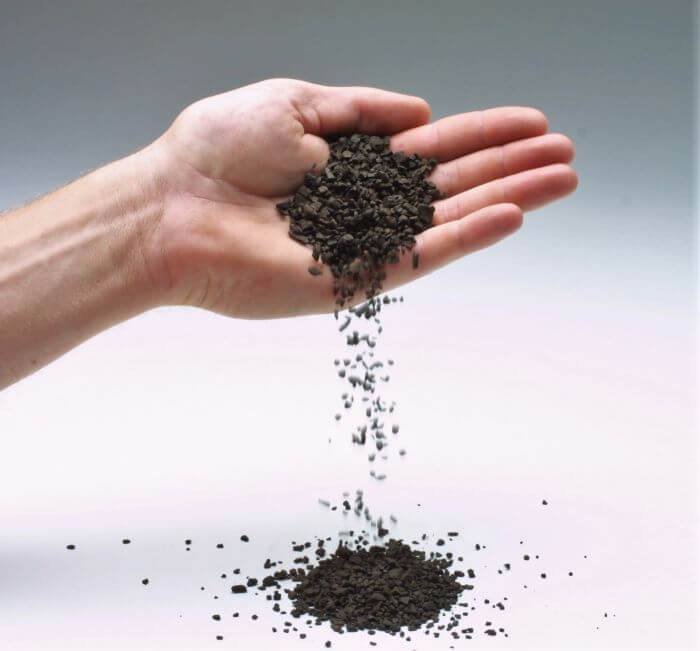
Nitro humic acid is obtained by reacting nitric acid with humic acid powder at a mass ratio of 3:1. The nitration grafts nitro functional groups onto the humic molecule. In practice the product is supplied in both powder and granule form, so it fits either soluble programs (powder, dissolved and fertigated) or bulk blending (granule, spread with other fertilizer).
It is worth separating two ideas that often get mixed up:
- Humic acid — a high-molecular-weight organic conditioner that improves structure, CEC and microbial habitat.
- Nitro humic acid — humic acid that has been nitrated, so it also contains nitrogen and behaves as a slow-release nitrogen carrier.
If your goal is purely soil structure, plain humic or potassium humate may be enough. If you also want to bank some nitrogen and improve how existing nitrogen is used, nitro humic acid earns its place.
How It Is Made
The production logic is simple to state, harder to do well:
- Start with a quality humic acid powder (typically leonardite or weathered lignite source).
- Treat it with nitric acid at a 3:1 mass ratio to the humic acid.
- Neutralize, dry, and either mill to powder or granulate.
Because the nitro groups are bound into the organic molecule, the nitrogen is not free ammonium or nitrate — it is released gradually as soil microbes and chemistry act on the material. That is what gives the “slow release, long-term effect” behavior growers report.
Neutralizing Acidic and Alkaline Soils
One of the most useful, and least talked-about, properties of nitro humic acid is its pH buffering. It helps neutralize both acidic and alkaline soils and regulates soil pH. The effect is most pronounced in problematic alkaline and acidic ground where nutrient lockup is worst.
For a calcareous or sodic field, the organic acidity of the humic fraction helps bring pH toward the crop-friendly window without the shock of a large lime or acidifier dose. For acidic soils, the salt form and accompanying cations steady the system. Think of it as a gentle regulator rather than a blunt corrective.
Lifting Nitrogen Use Efficiency
Here is the number that matters most to a budget-minded grower: nitro humic acid increases utilization of nitrogen from 15% to 20%. That is the recovery of applied N that actually ends up doing crop work instead of being lost.
Two mechanisms drive it:
- Slow release of amide nitrogen and ammoniacal nitrogen — the nitrogen is held and metered out, matching crop draw-down better than a single soluble hit.
- Reduced nitrate leaching — by keeping more N in organic and ammonium forms near the root zone, less nitrate washes into groundwater. That protects the under-ground water and protects your fertilizer investment at the same time.
This is the same logic growers apply when they pair humic substances with urea — except nitro humic acid ships the nitrogen already attached.
Related reading: our guide to humic acid urea field application shows how plain humic acid is used alongside urea in field crops.
Application Rates and Methods
Typical use rates reported for vegetables are 1–2 kg/m², and the material is suggested for mix use with Urea and MAP/DAP. Because it is “high hardness, low moisture, low dust,” it also works as a material of blended fertilizer — you can build it into a custom blend rather than applying it alone.
Practical ways to use it:
- Vegetable beds: 1–2 kg/m² worked into the root zone.
- Blended fertilizer: incorporate the granule into a mixed formula as the organic-N and conditioner fraction.
- With soluble N: co-apply powder with urea or MAP/DAP in fertigation for a steadier N curve.
Always confirm local rates against your soil test and crop; the figures above are starting points, not substitutes for agronomic advice.
Technical Specifications
When you are comparing offers, these are the numbers that separate a real nitro humic acid from a diluted one:
| Parameter | Powder (JFHA-NHA-1) | Granule (JFHA-NHA-2) |
|---|---|---|
| Appearance | Black powder | Black granule |
| Organic Matter (dry basis) | 85.0% min | 80.0% min |
| Humic Acid (dry basis) | 60.0% min | 50.0% min |
| Nitrogen N (dry basis) | ≥2.0% | ≥2.0% |
| Cation Exchange Capacity | ≥350 meq/100g | ≥200 meq/100g |
| pH | 4–6 | 4–6 |
| Moisture | 25.0% max | 25.0% max |
| Solubility | Not soluble (powder/granule) | Not soluble |
Note the low solubility is by design — this is a soil-conditioning, slow-release material, not a foliar product. If you need a fully water-soluble humic for fertigation or foliar use, look at potassium fulvate instead.
Nitro Humic Acid vs Other Humates
- vs Potassium Humate: potassium humate is water-soluble and potassium-loaded; nitro humic acid is nitrogen-loaded and soil-applied. Use potassium humate when you want soluble K + humic in one pass, nitro humic acid when you want N + conditioning.
- vs Ammonium Humate: ammonium humate is the ammonium salt of humic acid (partly water-soluble, N 3–5%); nitro humic acid is the nitrated form with slower, more protected N release.
- vs Sodium Humate (feed grade): feed-grade sodium humate is for livestock, not field crops — keep the two separate.
Frequently Asked Questions
Is nitro humic acid soluble in water?
No. It is supplied as powder or granule and is not water-soluble by design. It is a soil-applied, slow-release conditioner. For soluble programs use potassium fulvate or potassium humate.
Can I mix it with urea?
Yes — it is commonly suggested for mix use with Urea and MAP/DAP, and it is a good component of blended fertilizers because of its low moisture and low dust.
Does it really help alkaline soil?
It helps neutralize both acidic and alkaline soils and regulate pH, with the most visible effect in alkaline and acidic problem soils.
How much nitrogen does it contribute?
It carries ≥2.0% nitrogen on a dry basis, and more importantly it lifts overall nitrogen use efficiency from about 15% to 20%.
Bottom Line
Nitro humic acid is the “nitrogen-smart” member of the humic family: nitrated humic acid that conditions soil, buffers pH, slows nitrogen release, and cuts leaching — all while contributing its own organic N. For vegetable growers and blend formulators it is a practical way to get structure and fertility in one input.
For product specifications and TDS, see the Nitro Humic Acid product page.