The differences between brown seaweed extract and green seaweed extract lie primarily in their raw material sources, chemical composition, extraction processes, application areas, and biological activities. Below is a detailed comparison:
1. Raw Material Sources

– Brown Seaweed Extract:
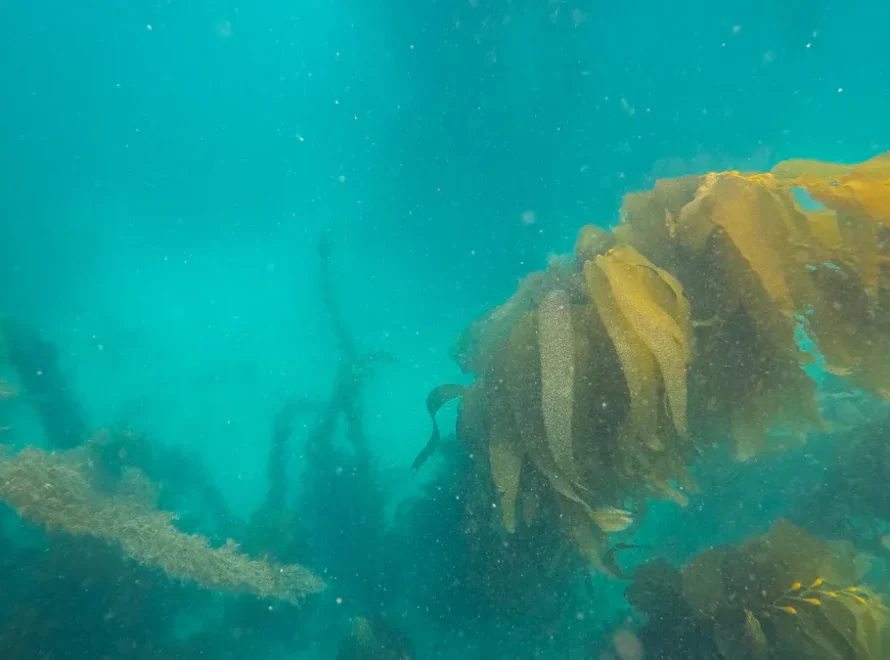
– Derived from brown seaweeds (Phaeophyceae), such as kelp (Laminaria spp.), sargassum (Sargassum spp.), and Ascophyllum nodosum.
– These seaweeds typically grow in colder marine environments, commonly found in coastal regions.
– Green Seaweed Extract:
– Derived from green seaweeds (Chlorophyceae), such as Ulva spp. and Enteromorpha spp.
– Green seaweeds often grow in shallow or nearshore waters, are highly adaptable, and are commonly found in warmer waters.
2. Chemical Composition

– Brown Seaweed Extract:
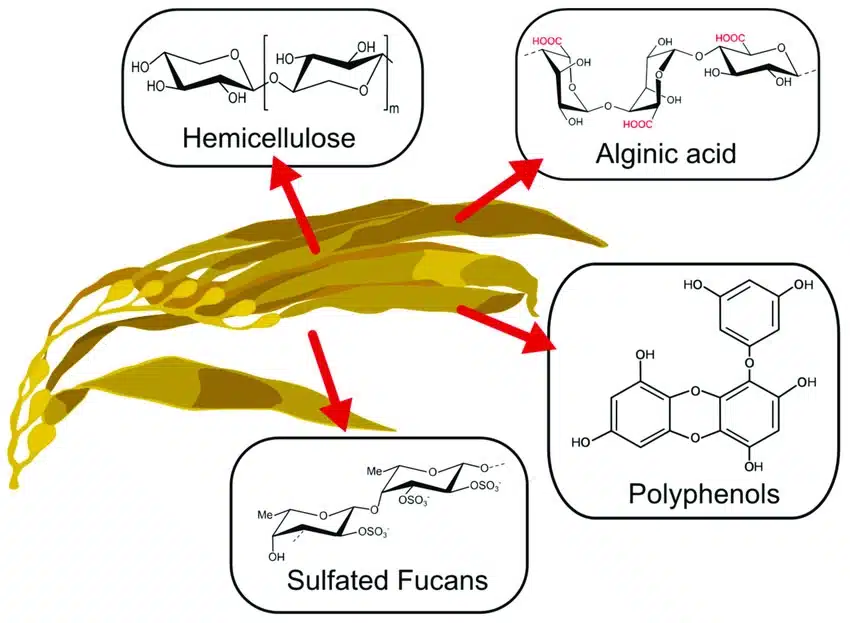
– Rich in brown algal polysaccharides (e.g., alginate, fucoidan, laminarin), which offer moisturizing, antioxidant, and immunomodulatory properties.
– Contains high levels of iodine, mannitol, amino acids, trace elements (e.g., potassium, calcium, magnesium), and plant growth regulators (e.g., gibberellins, cytokinins).
– Typically has a higher content of phenolic compounds, contributing to antioxidant and antibacterial properties.

– Green Seaweed Extract:
– Rich in green algal polysaccharides (e.g., ulvan), which differ structurally from brown algal polysaccharides and exhibit immune-stimulating and anti-inflammatory activities.
– Contains higher levels of chlorophyll, proteins, amino acids, and vitamins (e.g., vitamin C, B vitamins).
– May have lower trace element content compared to brown seaweed, but certain green seaweeds are rich in specific bioactive compounds, such as antioxidant peptides.
3. Extraction Processes

– Brown Seaweed Extract:
– Commonly prepared through enzymatic hydrolysis (e.g., using cellulase or protease), acid-alkaline extraction, or physical disruption (e.g., ultrasound).
– The high viscosity of alginate requires additional separation or purification steps.
– Literature notes that Ascophyllum nodosum extracts are often used in agriculture due to their rich content of plant growth stimulants.
– Green Seaweed Extract:
– Similar extraction methods, but green seaweed cell walls are thinner, making enzymatic hydrolysis or mechanical disruption more efficient.
– Due to higher protein content, proteases are often used to release bioactive peptides.
– Extracts may require additional decolorization steps to remove chlorophyll.
4. Application Areas

– Brown Seaweed Extract:
– Agriculture: Widely used as a plant growth regulator, promoting root development, stress resistance (e.g., drought, cold), and crop yield. For example, Ascophyllum nodosum extracts are common in organic farming.
– Cosmetics: Used in skincare products (e.g., masks, creams) for moisturizing, antioxidant, and anti-aging properties.
– Food and Nutraceuticals: Rich in iodine and polysaccharides, used in dietary supplements or functional foods.
– Pharmaceuticals: Fucoidan and other components show potential antiviral and antitumor properties.

– Green Seaweed Extract:
– Agriculture: Also promotes plant growth, but effects may be less pronounced than brown seaweed extracts; often used to improve soil microbial activity.
– Food: High in proteins and vitamins, used in functional foods or as nutritional fortifiers.
– Pharmaceuticals and Nutraceuticals: Ulvan and peptides exhibit anti-inflammatory and immunomodulatory effects, suitable for health supplements or drug development.
– Environmental Applications: Sometimes used in bioremediation, such as heavy metal adsorption.
5. Biological Activity and Efficacy
– Brown Seaweed Extract:
– Plant Growth: Contains higher concentrations of plant hormones (e.g., indoleacetic acid, gibberellins), significantly enhancing plant growth and stress resistance.
– Antioxidant Activity: Phenolic compounds and fucoidan provide strong antioxidant capabilities.
– Immunomodulation: Brown algal polysaccharides (e.g., fucoidan) can boost the immune system and reduce inflammation.
– Green Seaweed Extract:
– Anti-inflammatory and Antioxidant: Ulvan and peptides offer good anti-inflammatory and antioxidant effects, though overall antioxidant capacity may be lower than brown seaweed.
– Nutritional Value: High in amino acids and vitamins, ideal for nutritional supplements.
– Eco-Friendly: Green seaweeds grow quickly and are easily sourced, making their extracts advantageous for environmental applications (e.g., water treatment).
6. Pros and Cons
– Brown Seaweed Extract:
– Pros: Rich in bioactive compounds, versatile applications, especially in agriculture and cosmetics; complex polysaccharide structures with strong bioactivity.
– Cons: Higher extraction costs, complex processing due to alginate; high iodine content may be unsuitable for some applications.
– Green Seaweed Extract:
– Pros: Abundant and sustainable raw materials, short growth cycles, simpler extraction processes; high protein and vitamin content, suitable for food and nutraceuticals.
– Cons: Less effective for plant growth regulation; fewer polysaccharide types and less diverse bioactivity compared to brown seaweed.
7. Practical Examples
– Brown Seaweed Extract: Common in commercial seaweed fertilizers, such as those derived from Ascophyllum nodosum (e.g., Acadian Seaplants products), rich in plant growth stimulants.
– Green Seaweed Extract: Ulva extracts are used as natural food additives or in some regions for developing anti-inflammatory health products.
Summary
– Brown Seaweed Extract is more suitable for applications requiring high bioactivity (e.g., agriculture, cosmetics, pharmaceuticals) due to its rich content of brown algal polysaccharides and plant hormones.
– Green Seaweed Extract excels in food, nutritional supplements, and environmental applications due to its high protein and vitamin content and sustainable sourcing.
The choice between the two depends on the specific application, cost considerations, and desired bioactive components. If you have a specific use case (e.g., agricultural fertilizer or food additive), feel free to provide more details, and I can offer tailored recommendations!
WRITTEN BY JFHA-YYX