In the quest for vibrant gardens and thriving crops, the secrets of nature often hold the keys to success. Among these natural wonders, fulvic and humic acids emerge as powerful allies in enhancing soil health and promoting robust plant growth. These organic compounds, derived from decomposed plant matter, serve as a bridge between the soil and its nutrients, fostering an environment where plants can flourish. By unlocking the benefits of fulvic and humic acids, gardeners and farmers can improve soil structure, boost microbial life, and enhance nutrient availability. Whether you’re a seasoned horticulturist or a budding green thumb, understanding the transformative power of these natural substances can revolutionize the way you approach cultivation. Join us on a journey through soil science, and discover how these remarkable acids can unleash nature’s full potential, enabling your plants to thrive like never before.

Unlocking Nature’s Secrets: The Power of Fulvic and Humic Acid for Soil Health and Plant Growth

The Science Behind Fulvic and Humic Acids

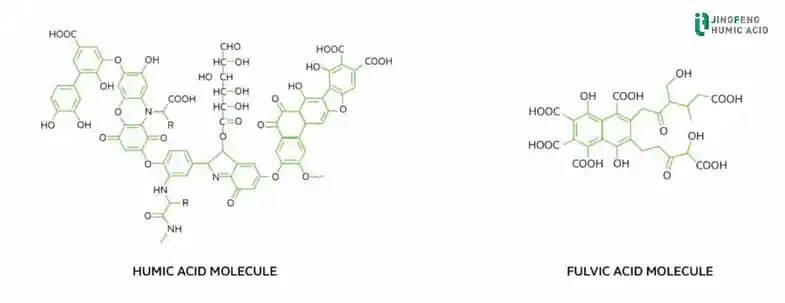
Fulvic and humic acids are among nature’s most potent organic compounds, derived from the decomposition of plant and animal matter over thousands of years. Fulvic acid is a smaller molecule that is soluble in both water and alkaline solutions, making it highly beneficial for nutrient absorption and transportation. Humic acid, on the other hand, is larger and only soluble in water under specific conditions. Despite their differences, both play critical roles in enhancing soil health and promoting plant growth.

These acids are a part of the humus, the dark, organic component of soil that is crucial for nutrient cycling. Fulvic and humic acids work synergistically to improve soil structure, enhance water retention, and increase microbial activity. Their unique chemical properties allow them to chelate, or bind to, nutrients, making these nutrients more available to plants. This chelation process is essential for optimizing the nutrient uptake efficiency of plants, leading to healthier and more productive growth.

Understanding the molecular structure and function of fulvic and humic acids can provide valuable insights into their role in soil ecosystems. Fulvic acid molecules are small enough to penetrate plant cells, facilitating the direct transport of nutrients and minerals. Humic acid molecules, being larger, improve soil structure by binding soil particles together, creating a crumbly texture that promotes root growth and water infiltration. Together, these acids form a comprehensive support system that sustains healthy soil and vigorous plant life.

Benefits of Fulvic Acid for Soil Health

Benefits of Fulvic Acid for Soil Health

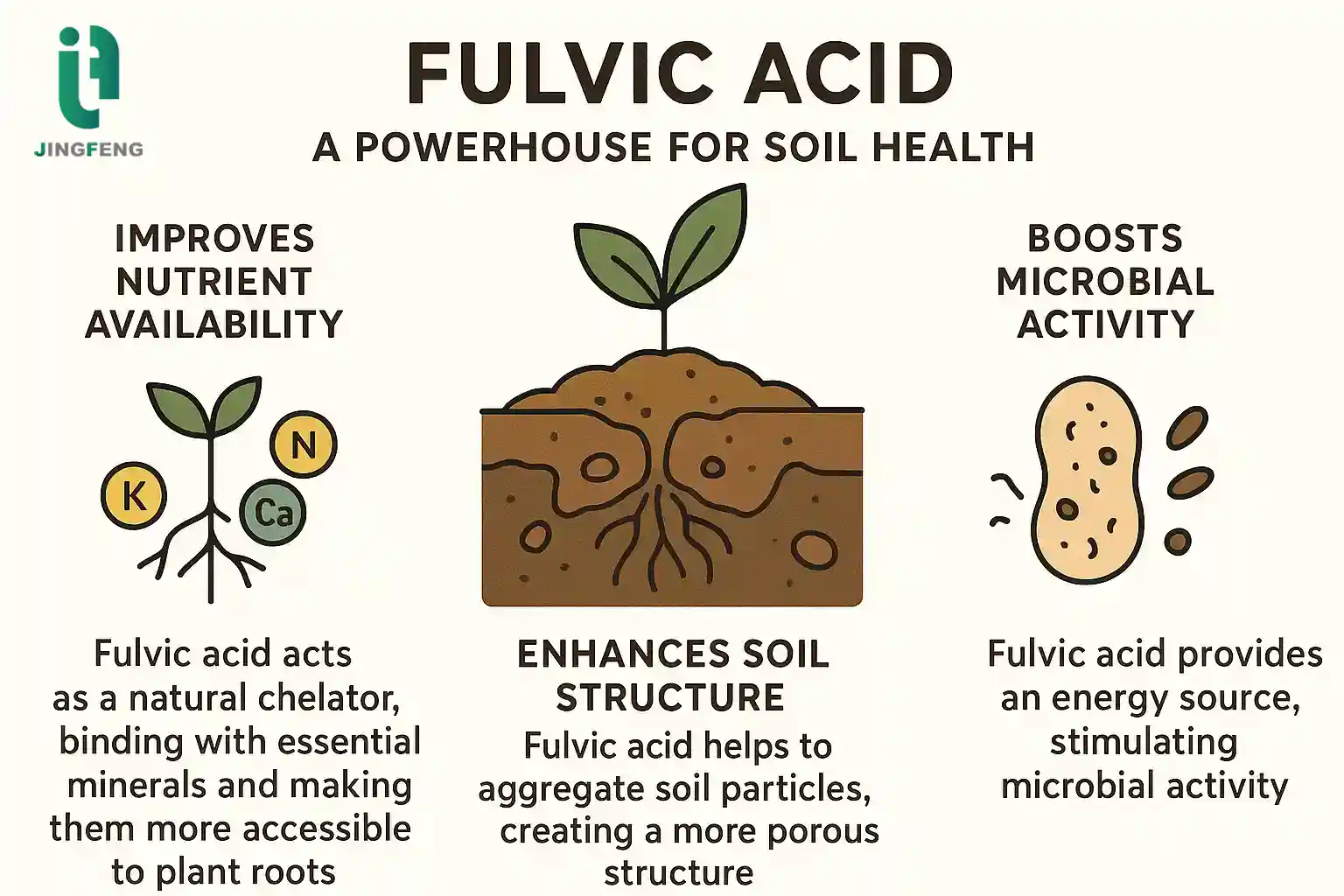
Fulvic acid is a powerhouse when it comes to enhancing soil health. One of its primary benefits is improving nutrient availability. Fulvic acid acts as a natural chelator, binding with essential minerals and nutrients and making them more accessible to plant roots. This increased nutrient availability leads to more robust plant growth and higher crop yields, making fulvic acid an invaluable tool for both gardeners and farmers.

Another significant benefit of fulvic acid is its ability to enhance soil structure. Healthy soil structure is vital for water retention, root penetration, and overall soil aeration. Fulvic acid helps to aggregate soil particles, creating a more porous structure that allows for better water movement and root growth. This improved soil structure can help prevent issues like soil compaction and erosion, ensuring that plants have the ideal environment to thrive.

Fulvic acid also plays a crucial role in boosting microbial activity in the soil. Soil microorganisms are essential for nutrient cycling and decomposition processes, and fulvic acid provides them with an energy source. By stimulating microbial activity, fulvic acid helps to maintain a balanced and healthy soil ecosystem. This increased microbial activity contributes to the breakdown of organic matter, further enriching the soil with nutrients that plants can readily absorb.

Benefits of Humic Acid for Soil and Plant Growth

Benefits of Humic Acid for Soil and Plant Growth

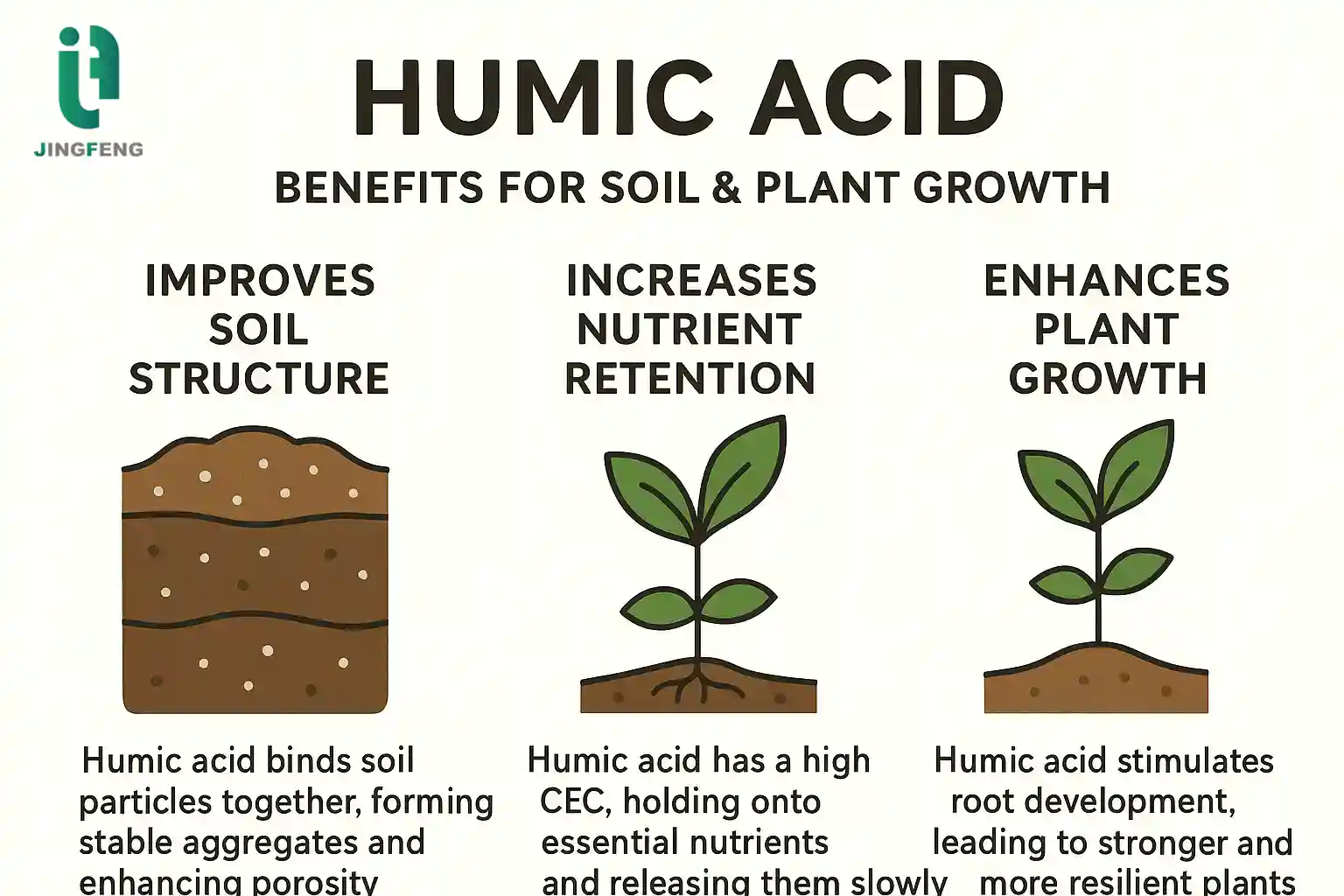
Humic acid offers a myriad of benefits for both soil and plant growth. One of its most notable advantages is its capacity to improve soil structure. Humic acid binds soil particles together, forming stable aggregates that enhance soil porosity and water infiltration. This improved soil structure facilitates root penetration and growth, allowing plants to access water and nutrients more efficiently. Additionally, the enhanced porosity helps to prevent soil erosion and compaction, creating a more sustainable growing environment.

Another significant benefit of humic acid is its ability to increase nutrient retention in the soil. Humic acid has a high cation exchange capacity (CEC), which means it can hold onto essential nutrients and release them slowly over time. This slow-release mechanism ensures a steady supply of nutrients to plants, reducing the need for frequent fertilization. The increased nutrient retention also minimizes nutrient leaching, preventing the loss of valuable minerals and reducing environmental pollution.

Humic acid also enhances plant growth by stimulating root development. The improved soil structure and increased nutrient availability create optimal conditions for root expansion. Stronger and more extensive root systems enable plants to access water and nutrients more effectively, leading to healthier and more resilient plants. Additionally, humic acid has been shown to enhance the uptake of micronutrients, further promoting robust plant growth and development.

How Fulvic and Humic Acids Improve Nutrient Availability

The ability of fulvic and humic acids to improve nutrient availability is one of their most remarkable attributes. Fulvic acid acts as a natural chelator, binding with essential minerals and nutrients in the soil. This chelation process transforms these nutrients into a form that plants can easily absorb. By increasing the bioavailability of nutrients, fulvic acid ensures that plants receive a steady supply of the essential elements they need for growth and development.

Humic acid also plays a crucial role in nutrient availability, primarily through its high cation exchange capacity (CEC). The CEC of humic acid allows it to hold onto positively charged ions, such as calcium, magnesium, and potassium. These essential nutrients are then slowly released into the soil, providing a consistent supply for plant uptake. This slow-release mechanism not only enhances nutrient availability but also reduces the risk of nutrient leaching, ensuring that valuable minerals remain in the soil for plant use.

Together, fulvic and humic acids create a synergistic effect that maximizes nutrient availability and uptake. Fulvic acid’s small molecular size allows it to penetrate plant cells and transport nutrients directly to where they are needed most. Humic acid’s larger molecules improve soil structure and nutrient retention, creating an environment where plants can thrive. This combination of enhanced nutrient availability and improved soil conditions leads to healthier plants, higher crop yields, and more sustainable agricultural practices.

The Role of Fulvic and Humic Acids in Soil Microbiology

Fulvic and humic acids play a vital role in fostering a healthy soil microbiome. Soil microorganisms, including bacteria, fungi, and protozoa, are essential for nutrient cycling and organic matter decomposition. Fulvic acid serves as an energy source for these microorganisms, stimulating their activity and promoting a balanced soil ecosystem. By enhancing microbial activity, fulvic acid helps to maintain a dynamic and productive soil environment.

Humic acid also contributes to a thriving soil microbiome by providing a habitat for beneficial microorganisms. The improved soil structure created by humic acid increases soil porosity and aeration, creating an ideal environment for microbial growth. Additionally, humic acid’s high cation exchange capacity helps to retain nutrients in the soil, providing a steady supply of essential elements for microorganisms. This enhanced nutrient availability supports microbial activity and diversity, leading to a more resilient and productive soil ecosystem.

The combined effects of fulvic and humic acids on soil microbiology have far-reaching implications for soil health and plant growth. By promoting microbial activity and diversity, these acids contribute to the breakdown of organic matter and the release of nutrients. This nutrient cycling process enriches the soil, providing plants with the essential elements they need for growth. Furthermore, a healthy soil microbiome can help to suppress soilborne diseases and pests, reducing the need for chemical interventions and promoting more sustainable agricultural practices.

Application Methods for Fulvic and Humic Acids

Applying fulvic and humic acids to soil and plants can be done through various methods, each with its own set of benefits. One common method is soil application, where these acids are mixed directly into the soil. This method is particularly effective for improving soil structure and nutrient retention. By incorporating fulvic and humic acids into the soil, gardeners and farmers can create a more supportive environment for plant growth and development.

Another popular application method is foliar spraying, where fulvic and humic acids are sprayed directly onto plant leaves. This method allows for the rapid absorption of nutrients through the plant’s foliage, providing an immediate boost to plant health. Foliar spraying is especially beneficial during periods of stress, such as drought or pest infestations, as it helps to ensure that plants receive the nutrients they need to recover and thrive.

In addition to soil and foliar applications, fulvic and humic acids can also be used in hydroponic systems and as seed treatments. In hydroponic systems, these acids are added to the nutrient solution, enhancing nutrient availability and uptake for plants grown in soilless environments. As a seed treatment, fulvic and humic acids can improve seed germination and root development, giving plants a strong start from the very beginning. Regardless of the application method, incorporating fulvic and humic acids into cultivation practices can lead to healthier plants and more productive gardens and farms.

Comparing Fulvic and Humic Acids: Key Differences

While fulvic and humic acids share many similarities, there are key differences that set them apart. One of the primary distinctions is their molecular size. Fulvic acid molecules are much smaller than humic acid molecules, which affects their solubility and functionality. Fulvic acid is soluble in both water and alkaline solutions, making it highly effective for nutrient chelation and transport. In contrast, humic acid is only soluble in water under specific conditions, which limits its immediate availability but enhances its long-term benefits for soil structure.

Another significant difference between fulvic and humic acids is their role in the soil ecosystem. Fulvic acid primarily acts as a nutrient transporter, facilitating the absorption and movement of essential minerals and nutrients within the plant. Its small molecular size allows it to penetrate plant cells and deliver nutrients directly to where they are needed most. Humic acid, on the other hand, focuses more on improving soil structure and nutrient retention. Its larger molecules bind soil particles together, creating a stable and porous structure that enhances water infiltration and root growth.

The different functions of fulvic and humic acids highlight the importance of using both in tandem for optimal soil health and plant growth. While fulvic acid provides immediate benefits through enhanced nutrient availability and uptake, humic acid offers long-term advantages by improving soil structure and stability. Together, these acids create a comprehensive support system that sustains healthy soil and vigorous plant life, making them essential tools for gardeners and farmers alike.

Real-World Success Stories: Case Studies on Soil Improvement

The transformative power of fulvic and humic acids is evident in numerous real-world success stories. One notable case study involves a commercial farm that struggled with poor soil structure and low crop yields. By incorporating fulvic and humic acids into their soil management practices, the farm experienced significant improvements in soil health and productivity. The enhanced nutrient availability and improved soil structure led to healthier plants, higher yields, and increased profitability for the farm.

Another success story comes from a community garden that faced challenges with soil compaction and nutrient deficiencies. The gardeners introduced fulvic and humic acids into their soil through both soil application and foliar spraying. The results were remarkable, with noticeable improvements in soil texture, water retention, and plant growth. The garden flourished with vibrant, healthy plants, and the gardeners saw a substantial increase in their harvests.

These case studies highlight the real-world benefits of fulvic and humic acids for soil health and plant growth. Whether used in commercial agriculture or small-scale gardening, these natural compounds can revolutionize cultivation practices and lead to more sustainable and productive outcomes. By embracing the power of fulvic and humic acids, gardeners and farmers can unlock the full potential of their soil and plants.

Conclusion: Embracing Fulvic and Humic Acids for Sustainable Agriculture

In the quest for sustainable agriculture and vibrant gardens, fulvic and humic acids offer a natural and powerful solution. These remarkable organic compounds, derived from the decomposition of plant matter, play a crucial role in enhancing soil health and promoting robust plant growth. By improving nutrient availability, enhancing soil structure, and fostering a healthy soil microbiome, fulvic and humic acids create an environment where plants can thrive.

Understanding the science behind fulvic and humic acids and their unique benefits allows gardeners and farmers to make informed decisions about soil management and cultivation practices. Whether through soil application, foliar spraying, or hydroponic systems, incorporating these acids into agricultural practices can lead to healthier plants, higher yields, and more sustainable outcomes.

The real-world success stories and case studies on soil improvement demonstrate the transformative potential of fulvic and humic acids. By embracing these natural allies, gardeners and farmers can unlock nature’s secrets and revolutionize the way they approach cultivation. Fulvic and humic acids hold the keys to sustainable agriculture and vibrant gardens, enabling plants to thrive like never before.

Leave a Reply

Your email address will not be published. Required fields are marked *