- 1. Bio Fulvic Acid vs Mineral Fulvic Acid: Which Should You Choose for Foliar Feeding?
- 1.1. What Is Bio Fulvic Acid?
- 1.2. Bio Fulvic Acid vs Mineral Fulvic Acid
- 1.3. Why Low Molecular Weight Matters for Foliar Use
- 1.4. Physical Forms: Powder vs Granule
- 1.5. Eco-Friendly and Export-Friendly
- 1.6. How to Use Bio Fulvic Acid
- 1.7. Bio Fulvic Acid in a Fulvic Program
- 1.8. Frequently Asked Questions
- 1.9. Bottom Line
Bio Fulvic Acid vs Mineral Fulvic Acid: Which Should You Choose for Foliar Feeding?
Fulvic acid is the small, mobile cousin of humic acid — the fraction that actually enters plant cells and carries nutrients across membranes. But not all fulvic acid is the same. The biggest split in the market is bio fulvic acid (plant-derived, fermented) versus mineral-source fulvic acid (mined from leonardite/lignite).
This article explains the difference in plain terms and helps you pick the right one for foliar feeding, organic programs, and high-value crops.
What Is Bio Fulvic Acid?
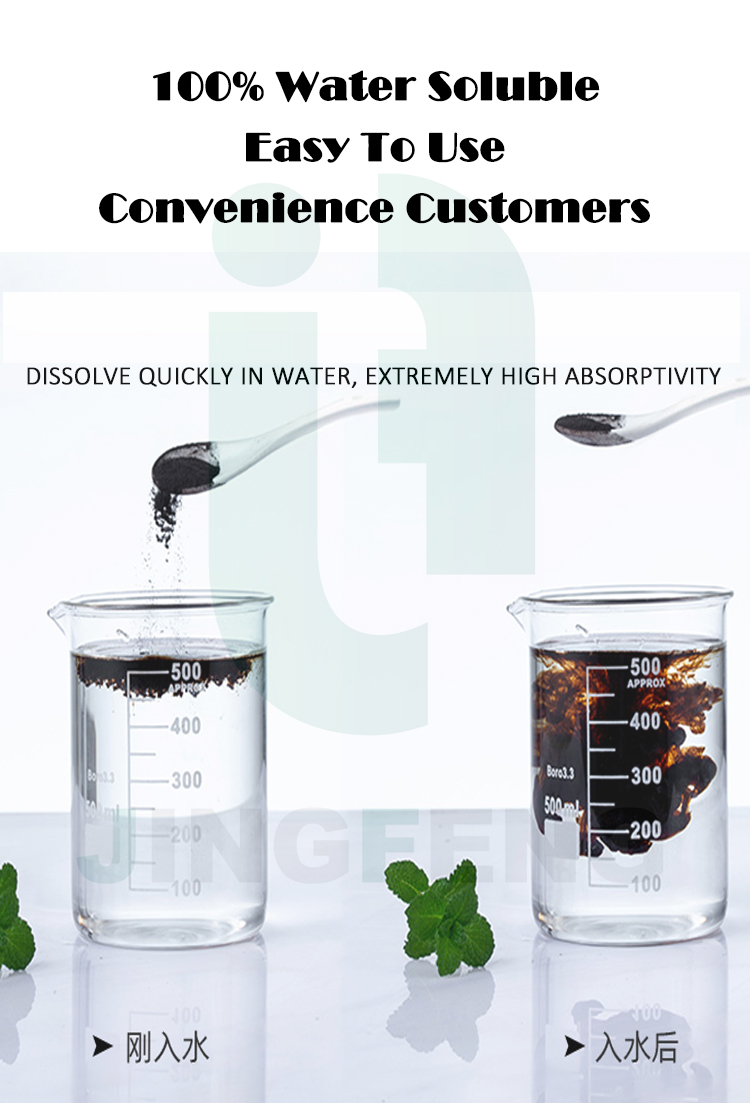
Bio fulvic acid is extracted from high-quality natural plant sources through a fermentation/biologically-driven process rather than mining. JINGFENG’s Bio Fulvic Acid series is described as a highly active, low-molecular-weight biostimulant that is 100% water-soluble.
The plant-origin route matters because:
- The molecules are low molecular weight, so they move quickly into plant tissue.
- Being 100% plant-source avoids the heavy-metal and contaminant risk associated with some mined materials.
- It is positioned for rapid absorption and maximum biological activity in modern sustainable agriculture.
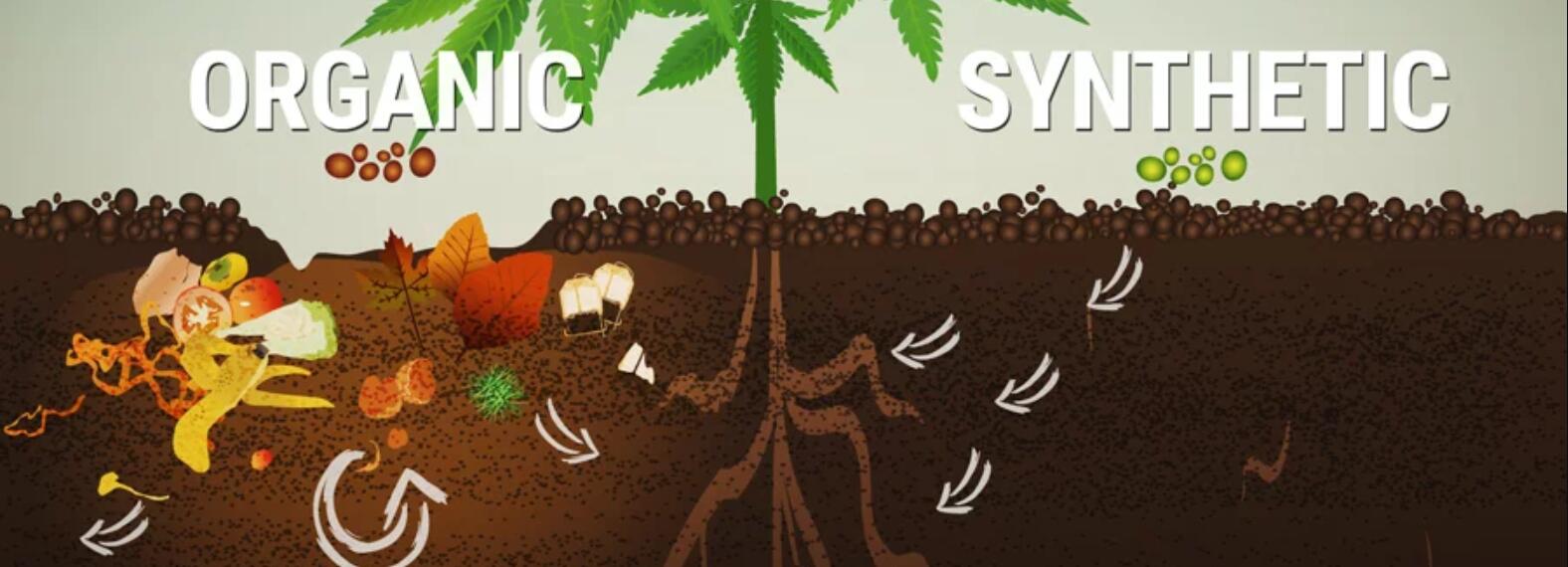
Bio Fulvic Acid vs Mineral Fulvic Acid
| Aspect | Bio Fulvic Acid (plant-derived) | Mineral Fulvic Acid (leonardite/lignite) |
|---|---|---|
| Source | Fermented plant material | Mined weathered coal / leonardite |
| Molecular weight | Low (fast uptake) | Varies, often higher |
| Water solubility | 100% water-soluble | Usually soluble, quality varies |
| Heavy-metal risk | Very low (plant source) | Depends on mine & purification |
| Best fit | Foliar, organic, export | General soil & fertigation |
Mineral fulvic acid is perfectly good for many jobs, especially bulk soil application where cost per kilo dominates. But when the goal is clean, fast, foliar-grade activity, bio fulvic acid is the stronger choice.
Why Low Molecular Weight Matters for Foliar Use
Foliar feeding only works if the active molecule is small enough to cross the leaf cuticle and reach the symplast. Low-molecular-weight fulvic acid does that job; heavier fractions mostly sit on the surface.
That is why bio fulvic acid is offered as an Ultra-Pure Precision Foliar Spray Grade. When you spray it, more of the material is actually used by the plant rather than lost to runoff or evaporation.
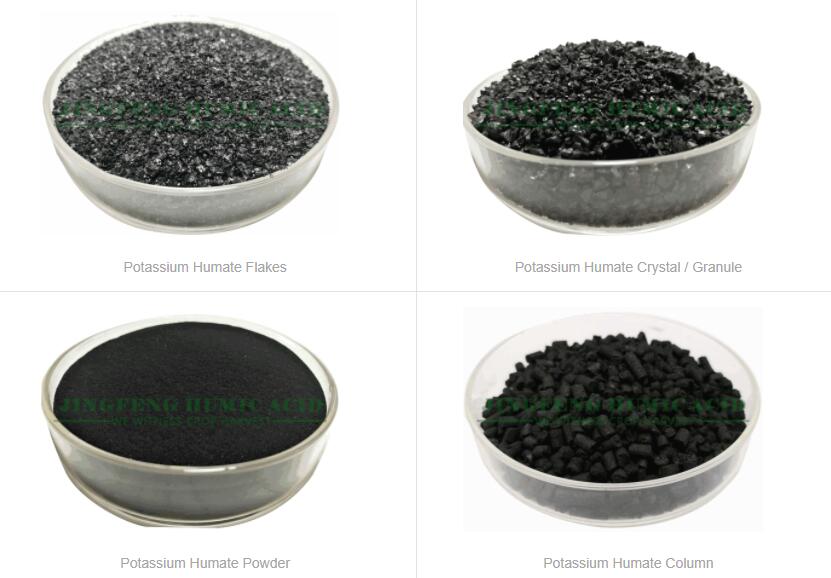
Physical Forms: Powder vs Granule
A useful feature of the bio fulvic line is that it comes in multiple physical forms:
- Fine, instant-dissolve powders — for foliar tanks and fertigation where dissolution speed matters.
- Specialized round granules — for uniform, fast-release mechanical spreading, when you want to apply by spreader rather than through the irrigation system.
Choosing the form is about your equipment, not the chemistry: powder for liquid programs, granule for broadcast.
Eco-Friendly and Export-Friendly
Because it is 100% plant-source, bio fulvic acid ensures zero heavy metal contamination, making it ideal for:
- Organic farming programs that prohibit mined-mineral inputs with contamination risk.
- High-value export crops where buyers test for residues and metals.
For growers shipping to strict markets, that clean-source story is often as valuable as the agronomy.
How to Use Bio Fulvic Acid
Typical foliar use:
- Dissolve the instant powder in the tank, apply during active growth stages.
- Pair with chelated micronutrients — fulvic acid is an excellent transporter.
- For soil/mechanical programs, use the round granule at spreading rates suited to the crop.
Always run a jar test before tank-mixing with strong acids or high-calcium products.
Bio Fulvic Acid in a Fulvic Program
Bio fulvic acid is the fast, clean foliar tool. For a complete humic/fulvic soil program, pair it with:
- Potassium fulvate — the potassium-loaded, water-soluble fulvic for soil and fertigation.
- Humic acid urea — for field-crop nitrogen plus humic conditioning.
- Amino acid fertilizers — to lift fruit quality alongside fulvic transport.
Frequently Asked Questions
Is bio fulvic acid organic?
It is 100% plant-source and free of heavy-metal contamination, which makes it suitable for organic farming systems — always confirm with your certifier for the specific product and registration.
Which is better, bio or mineral fulvic acid?
For foliar and high-value/export use, bio fulvic acid’s purity and low molecular weight win. For bulk soil conditioning on a budget, mineral fulvic acid is often more economical.
Can I use the powder and granule interchangeably?
Not exactly — powder is for dissolution (foliar/fertigation), granule is for mechanical broadcast. Match the form to your application method.
Bottom Line
Bio fulvic acid is the clean, fast, plant-derived member of the fulvic family — 100% water-soluble, low molecular weight, and built for foliar feeding and strict-market crops. Mineral fulvic acid still has its place for bulk soil work, but when uptake speed and source purity decide the result, bio fulvic acid is the one to reach for.
See the Bio Fulvic Acid product page for specifications and TDS.